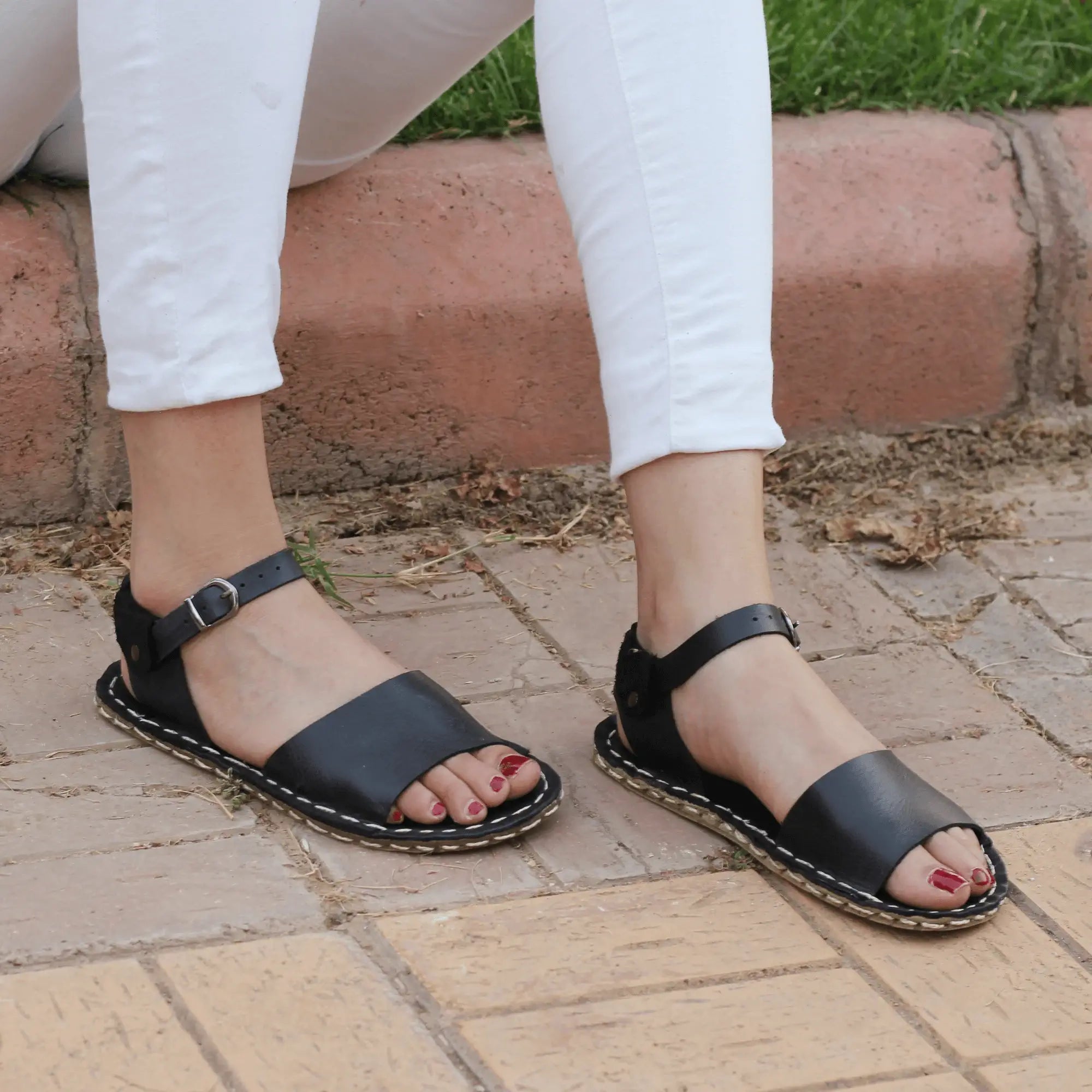
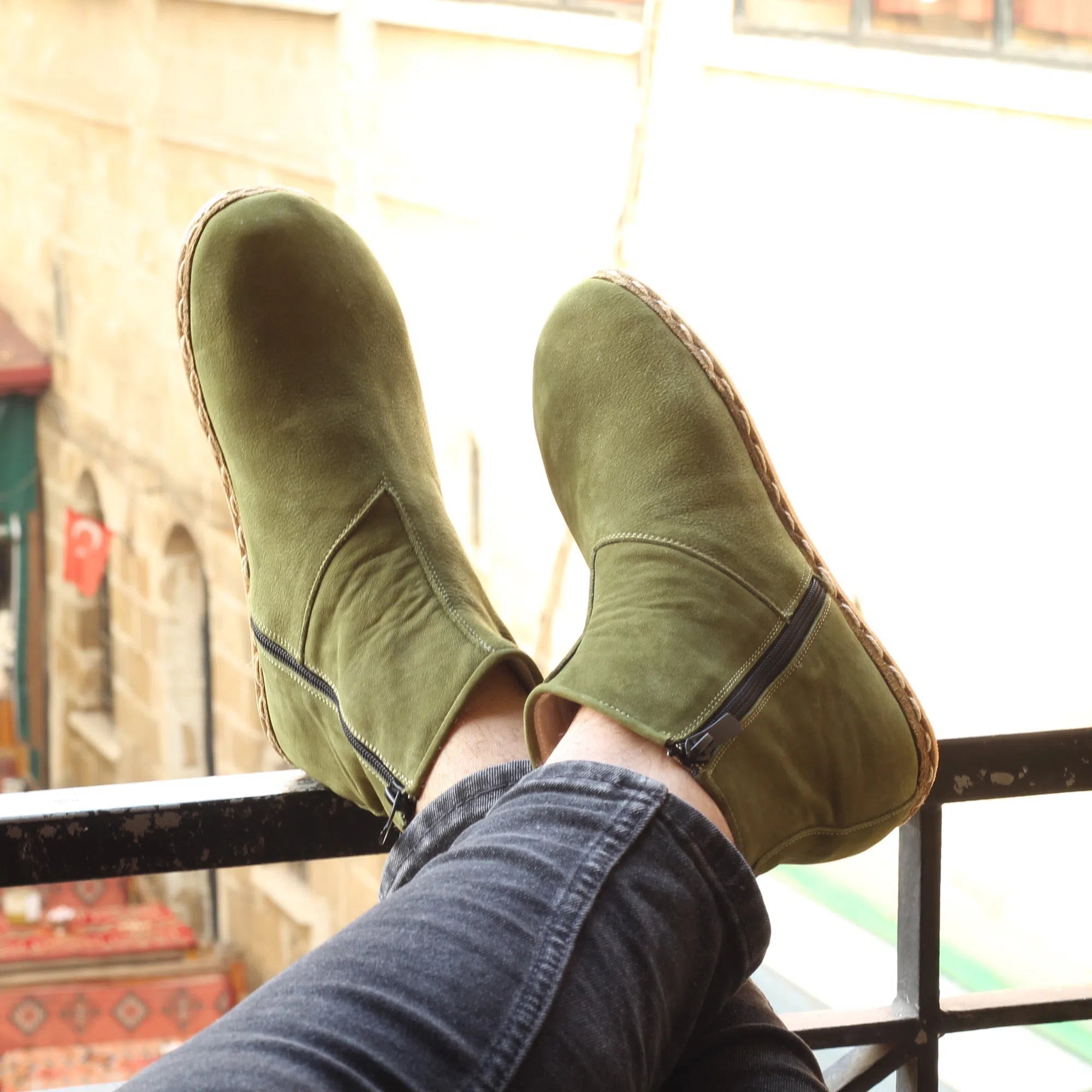
A packed suitcase has no patience for shoes that only work in one setting. The best minimalist sandals for travel should carry you from a long airport walk to a sunlit market, a coastal path, or dinner outdoors without squeezing your toes, lifting your heel, or asking for half your luggage allowance.
That sounds simple, but travel sandals are often designed around the wrong priorities: thick foam, stiff platforms, narrow straps, and synthetic materials that trap sweat after a full day on your feet. Minimalist sandals take a different path. They keep the foot close to the ground, let the toes spread, and reduce the unnecessary structure that makes walking feel controlled rather than natural.
The right pair is not necessarily the thinnest, lightest, or most rugged-looking sandal. It is the one that fits your trip, your feet, and the way you actually move. Here are the features that separate a true travel companion from a sandal that stays in the hotel room.
What Makes the Best Minimalist Sandals for Travel?
1. A genuinely wide toe box
Travel means more steps than most people expect. You walk terminals, unfamiliar streets, museums, boardwalks, and sidewalks while carrying a bag or following a map. When a sandal narrows at the front, your toes lose the space they need to stabilize and respond to the ground.
Look for a foot-shaped design that allows natural toe splay. Your big toe should not be forced inward, and your smaller toes should not hang over a narrow sole. A wide toe box is not a luxury feature. It is the foundation of a sandal that still feels good after an all-day itinerary.
2. Zero-drop construction
A raised heel changes your position from the ground up. It pitches the body forward and can encourage the ankles, knees, hips, and back to compensate. A zero-drop sandal keeps the heel and forefoot at the same height, supporting a more natural standing and walking posture.
For travel, this matters because your routine changes. You may be on your feet for hours, sitting on a plane, then walking immediately after landing. A level sole gives your feet a more honest platform instead of adding another artificial angle to the day.
If you are new to zero-drop footwear, ease into it before a big trip. Natural movement is the goal, but feet accustomed to heavily cushioned, raised shoes may need time to strengthen and adapt.
3. A flexible sole with enough protection
Minimalist does not mean careless. You want to feel the ground and move with it, not wince at every piece of gravel. The best sole bends with your foot through each step while offering enough protection for city pavement, dry trails, and everyday travel terrain.
A very thin sole can be wonderful for grounded awareness and warm-weather strolling. But if your trip includes long urban days, rough paths, or lots of standing, a slightly more substantial flexible sole may be the smarter choice. The trade-off is simple: more ground feel versus more underfoot protection. Neither is universally better.
4. Secure straps that do not overcorrect
A sandal should stay with your foot, not make your foot work overtime to keep it on. Loose slides are easy for a pool deck or a short walk, but they can lead to toe gripping when you are navigating stairs, uneven streets, or a fast connection through the airport.
Look for straps that hold the sandal at the heel and across the foot without pinching. Adjustable closures are especially valuable when heat, walking, and flying make feet swell slightly. The ideal fit feels secure enough for movement but free enough that circulation and natural foot motion are not restricted.
5. Breathable natural materials
Your feet spend long hours in close contact with your shoes. Synthetic uppers and foam-heavy footbeds can hold heat and moisture, creating that sticky, overheated feeling nobody wants halfway through a travel day. Natural leather brings a different experience: it breathes, softens with wear, and develops character rather than simply breaking down.
Handmade leather sandals can also make packing easier because they move comfortably between casual and polished settings. A well-made pair looks at home with linen pants, shorts, dresses, or relaxed travel layers. That versatility matters when you want fewer items in your bag and more options once you arrive.
6. A sole that supports grounding-minded travel
For many minimalist footwear wearers, being close to the earth is not just about mechanics. It is about feeling less insulated from the world beneath you. Natural buffalo leather soles offer a distinctive connection compared with thick rubber platforms and synthetic layers that separate the foot from the ground.
Grounding shoes are best suited to dry, everyday environments such as parks, gardens, beaches, and relaxed city walks. Conditions matter. A leather sole will not serve the same purpose as a waterproof hiking sandal in heavy rain or a muddy mountain route. Choose honestly for your destination instead of expecting one style to conquer every climate.
7. Light weight without flimsy construction
Every ounce matters when you are traveling with a carry-on, but ultra-light sandals can become disposable sandals if the materials and construction are weak. Thin straps that stretch, glued layers that separate, and low-grade foam that compresses quickly are not a bargain when they fail away from home.
A quality minimalist sandal should be light because it avoids unnecessary bulk, not because it cuts corners. Handmade construction, durable leather, strong stitching, and a simple repair-friendly design often deliver better long-term value than a heavily engineered synthetic sandal built for one season.
8. Easy airport and hotel practicality
The best travel gear removes friction. Sandals that are easy to put on and take off are useful at security, in hotel rooms, around pools, and during quick early-morning coffee runs. Still, convenience should not come at the cost of fit.
A slip-on leather sandal can be excellent for a relaxed trip with short walks and warm weather. For a city-focused vacation where you will walk several miles daily, a back strap or adjustable design is usually worth the extra few seconds. Think less about the airport checkpoint and more about the ten hours after it.
9. Style that does not feel like a compromise
Minimalist footwear has spent too long being treated as a purely practical category. Your shoes should support your feet, but they should also look like you chose them on purpose. Travel is full of spontaneous plans, and a sandal that only works at the beach limits where you can go without changing.
Earthy leather, clean lines, and artisanal details create a more flexible look than loud athletic styling. This is where handcrafted sandals stand apart. They bring natural movement and visual individuality together, rather than asking you to choose between foot freedom and personal style.
10. A fit you have tested before departure
Never make a new sandal your first-day travel experiment. Wear it on errands, neighborhood walks, and a longer outing before you pack it. Pay attention to rubbing points, strap pressure, whether your heel stays centered, and whether your toes can relax.
Break-in is different with well-made leather than with stiff synthetic footwear. Quality leather often softens and conforms gradually, but it should not cause sharp pain or force you to tolerate numbness. A sandal that needs to be endured is not the right size or shape.
Match Your Sandal to the Trip, Not the Trend
For a beach escape, prioritize breathable leather, easy on-and-off wear, and a sole suited to sand and dry ground. For European city travel or any itinerary built around walking, secure straps, a wide toe box, and flexible protection deserve more attention. For light nature walks, choose traction and hold over a fashion-first slide. And for wet, technical terrain, be realistic: a leather grounding sandal may be the wrong tool, even if it is the pair you love most.
Nefes Shoes approaches sandals with the belief that comfort begins by letting the foot do what it was designed to do. No cramped toe box. No raised heel pretending to improve your posture. No plastic-heavy construction standing between your feet and a more natural stride.
Pack the pair that gives your feet room to breathe, move, and feel alive. The destination may be unfamiliar, but your footing should not be.