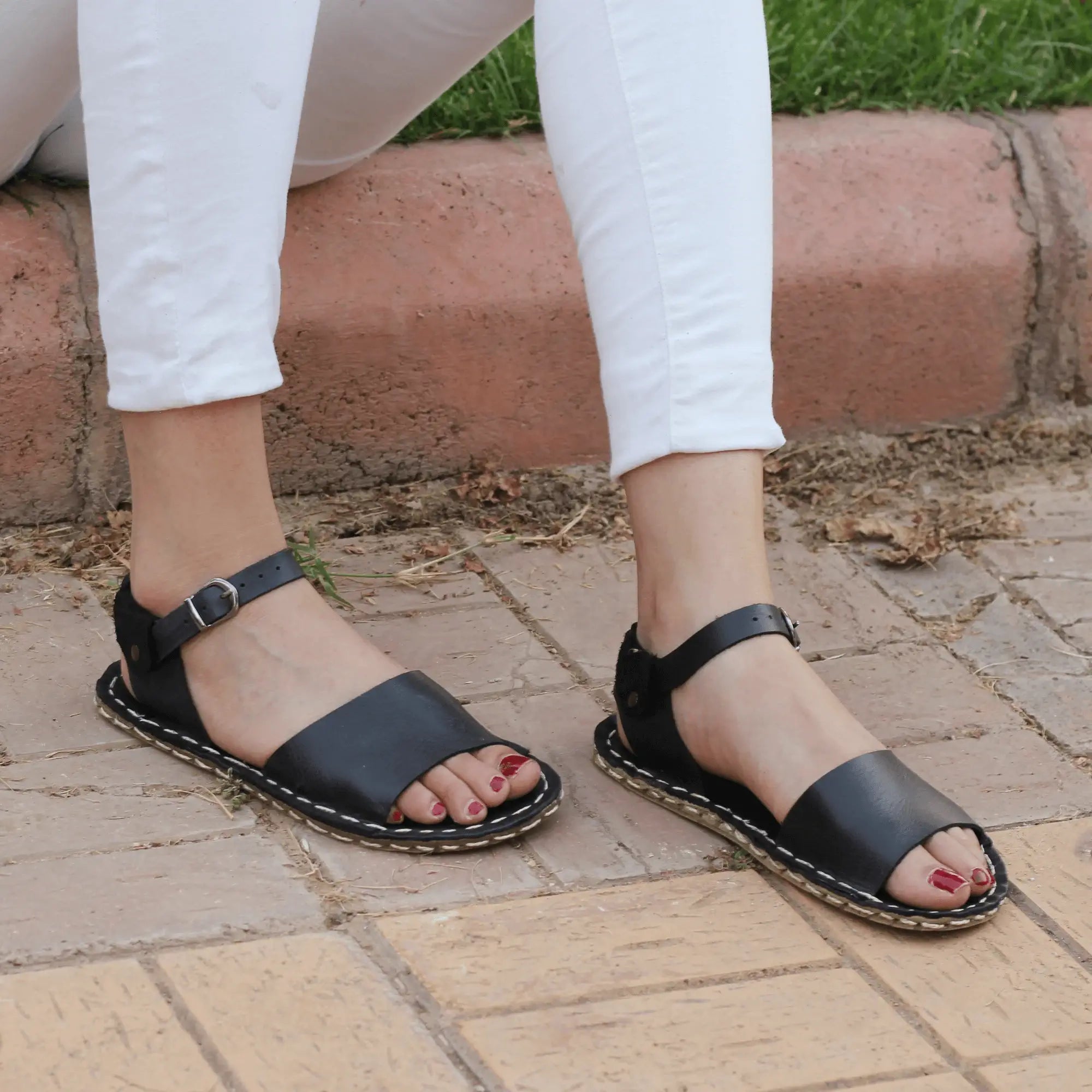
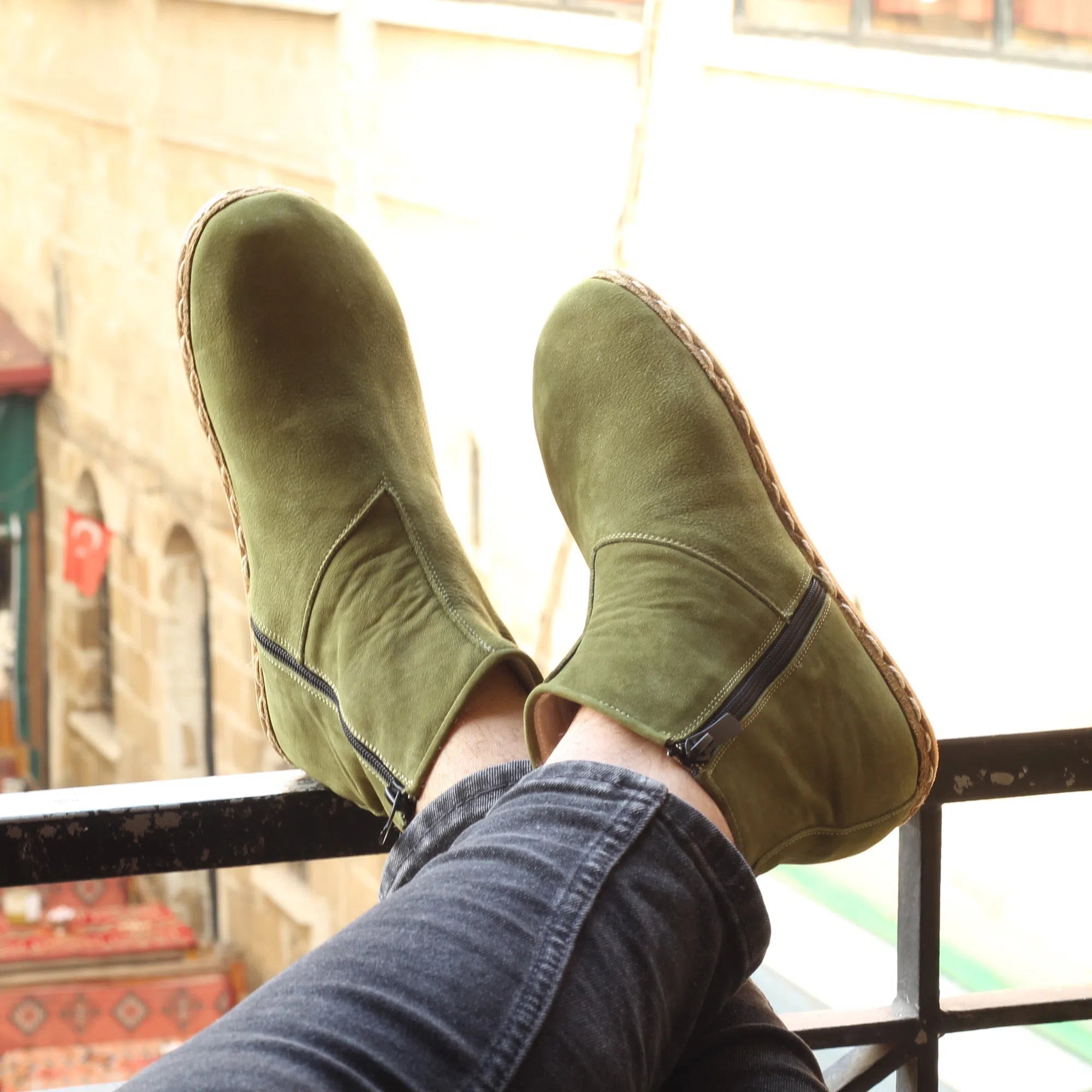
A shoe can look polished and still feel like a furnace by noon. So, are leather shoes good for sweating? They can be - but only when the leather is natural, the fit gives your feet room, and the shoe is built to let moisture move instead of trapping it against your skin.
Sweating is not a failure of your feet. It is one of the ways your body regulates temperature. The problem begins when narrow, synthetic-lined shoes turn normal perspiration into damp socks, odor, rubbing, and that uncomfortable swollen feeling at the end of the day. Good footwear should work with the body, not seal it off.
Are Leather Shoes Good for Sweating?
Natural leather is often a better choice for sweaty feet than plastic-based materials because it can absorb some moisture vapor and release it gradually. Unlike many synthetic uppers, genuine leather has a fibrous structure that helps manage humidity inside the shoe. It does not make your feet sweat-proof, and no honest shoe can promise that. But it can create a less clammy environment when the rest of the design is right.
That last part matters. A leather shoe with a thick synthetic lining, a foam-heavy footbed, a tight toe box, and little interior space may still run hot. Material is only one piece of the comfort equation. Construction, fit, socks, weather, and your own activity level all influence how dry your feet feel.
The best leather for warm or active wear is supple, breathable, and minimally coated. Heavily corrected leather with a thick plastic finish may look uniform, but it can limit the natural moisture exchange that makes leather appealing in the first place. Softer full-grain or carefully finished natural leather generally feels more alive on the foot and tends to adapt better over time.
Why Feet Sweat More in Conventional Shoes
Most people blame their feet when the real issue is the shoe. Conventional footwear often squeezes toes together, lifts the heel, and uses dense layers of synthetic padding. That creates pressure, friction, and heat - the exact conditions that encourage more perspiration.
A cramped toe box is especially frustrating. Your toes need space to spread and respond as you walk. When they are compressed, air circulation decreases and moisture has fewer places to go. The result can be hot spots between the toes, dampness around the forefoot, and more friction with every step.
Raised heels can add to the problem by shifting body weight forward. More pressure lands on the ball of the foot, where many people sweat heavily. This does not mean every heel causes sweaty feet, but it explains why a flatter, more natural platform can feel calmer during long days on your feet.
Natural movement is not only about posture or toe splay. It also changes how a shoe feels internally. A flexible, zero-drop design with a wide toe box gives your foot more room to function as a foot. Less compression often means less heat buildup.
Leather Breathability Depends on the Whole Shoe
Think of leather as a good foundation, not a magic answer. To make it work for sweating, look beyond the upper.
The lining matters
An unlined leather shoe, or one lined with soft natural leather, can feel noticeably more breathable than a shoe lined in polyester or other synthetic fabrics. Synthetic linings may dry quickly after getting wet, but they can also create a barrier that holds heat close to the foot.
Leather linings can absorb some moisture during wear. Afterward, they need time to air out. This is a fair trade for many people: a more natural feel during the day, with a simple care routine at night.
The sole matters
A thick, rigid rubber platform can insulate the foot and reduce flexibility. That does not automatically make a shoe bad, especially for specific work or weather needs, but it may feel warmer than a thinner, more flexible sole. The goal is not to chase the thinnest shoe possible. It is to choose a sole that supports your lifestyle without turning your footwear into a sealed container.
Handmade barefoot leather shoes often avoid the excessive layers found in mass-market footwear. At Nefes Shoes, natural leather construction, wide toe boxes, and zero-drop shaping are designed around freer movement rather than forced confinement. That design philosophy can be a meaningful advantage for people tired of overheated, compressed feet.
The fit matters most
Even the finest leather cannot breathe well if it is stretched tight across your foot. Shoes should feel secure at the heel without crushing the toes or pressing hard across the instep. Leather gradually softens and conforms, but do not buy a painfully tight pair expecting a miracle break-in.
Leave enough room for your toes to move. If your feet tend to swell later in the day, try shoes in the afternoon or evening. A comfortable fit then is more likely to stay comfortable when temperatures rise.
Leather Shoes and Odor: What Is the Connection?
Sweat itself is mostly odorless. The smell develops when bacteria feed on sweat and skin debris in a warm, moist shoe. Because natural leather can help moderate interior humidity, it may help reduce the conditions that let odor linger. But leather cannot overcome a shoe that never dries, socks that hold moisture, or a pair worn hard every day without rest.
For better odor control, rotate between at least two pairs when possible. Give each pair a full day to dry in an open, ventilated space. Remove any insoles if they are removable, loosen the laces or openings, and keep shoes away from direct high heat. A radiator, dryer, or blazing dashboard can dry leather too aggressively, causing it to stiffen, crack, or lose shape.
You can also wipe the interior gently with a dry cloth and use a shoe tree or loosely placed paper to help the shoe hold its form while drying. Avoid stuffing shoes with damp paper or sealing them in a gym bag. Darkness and trapped moisture are a recipe for stubborn odor.
The Right Socks Make Leather Work Better
Do not overlook socks. A well-made leather shoe paired with a thick, synthetic sock can still leave your feet feeling swampy. For everyday wear, lightweight merino wool, cotton blends, or other moisture-managing natural fibers are usually more comfortable than dense, all-synthetic options.
Merino is especially useful because it can manage moisture while staying comfortable across changing temperatures. Cotton can feel soft and breathable for casual wear, though it may remain wet longer during intense activity. If you sweat heavily, test a few sock materials instead of assuming one option works for every season.
For sandals, moccasins, slippers, and other sockless styles, give the leather time to dry fully between wears. Bare feet transfer more moisture and natural oils directly to the footbed. That is normal. Consistent airing is what keeps the experience fresh.
When Leather May Not Be the Best Choice
Leather is not automatically the best shoe material for every sweaty-foot situation. If you are running long distances in high heat, working around water, or need a shoe to dry extremely fast, a purpose-built performance shoe may make more sense. Leather tends to dry more slowly than thin technical mesh once it becomes fully soaked.
Very humid conditions can also make any enclosed shoe feel warm. In those moments, a breathable leather sandal or an open style may be more sensible than a closed boot. The right answer depends on where you are going, how hard you are moving, and how much protection you need.
If sweating is sudden, extreme, painful, or accompanied by skin changes, speak with a qualified healthcare professional. Footwear can improve the environment around your feet, but it is not a substitute for medical guidance when something feels off.
How to Choose Leather Shoes for Sweaty Feet
Start with natural leather and a shape that respects your foot. Look for a wide toe box, a flexible sole, and minimal synthetic layers. Favor shoes that feel comfortably spacious from the first wear, especially around the toes and instep.
Then match the style to the season. A leather sandal or low-cut moccasin may be your warm-weather favorite, while a leather boot can be excellent in cooler months when moisture management still matters but ventilation is less urgent. Rotate pairs, choose breathable socks, and let every pair dry naturally after wear.
Your feet were made to sense, flex, spread, and move. Give them natural materials and enough room to do that, and sweating becomes far easier to manage than it is inside a narrow synthetic shell.