A shoe can look polished and still ask your feet to behave unnaturally. Pointed toes, stiff synthetic uppers, thick foam, and raised heels may be standard, but standard is not the same as supportive. The best grounding shoes for women make room for the foot you already have while creating a more direct relationship with the ground beneath you.
For women who care about natural movement, grounding is not just a trend or a weekend wellness ritual. It is a design question: Can your toes spread? Can your heel sit level with your forefoot? Can your sole feel the terrain without leaving you exposed to every sharp edge? And are the materials close to your skin breathable, natural, and made to last?
What Makes a Grounding Shoe Worth Wearing?
A grounding shoe is designed to reduce the barrier between your body and the earth. Traditional shoes commonly place layers of dense rubber, plastic, foam, and synthetic fabric between your feet and the surface below. Grounding footwear takes a different path, favoring thin, flexible, conductive natural materials that preserve a closer underfoot experience.
That does not mean every thin shoe is a grounding shoe. A minimalist sneaker with a heavily insulated rubber sole may encourage natural foot motion, but it may not offer the same earth-connection philosophy as footwear made with a natural leather sole. Likewise, a shoe marketed as "earthing" is not automatically a good choice if it squeezes the toes or lifts the heel.
The best pairs combine grounding-minded materials with barefoot principles. They let the foot move, bend, and receive feedback from the ground instead of locking it into a narrow, padded shell. Health begins with the feet, and feet work best when shoes stop fighting their anatomy.
The Best Grounding Shoes for Women Have These Features
A wide, foot-shaped toe box
Your toes are not meant to stack, taper, or point inward all day. A truly comfortable grounding shoe gives the forefoot enough width for natural toe splay. This matters during walking, standing, and balancing because the toes help create a stable base.
Look at the shape of the sole, not just the labeled width. Many conventional women’s shoes are built around a fashion shape that narrows dramatically at the front. A foot-shaped design follows the natural outline of the foot, allowing the big toe to stay aligned rather than pushed toward the others.
Zero-drop construction
Zero drop means the heel and forefoot sit at the same height. There is no built-in slope tipping your body forward. This can feel refreshingly natural for women who are tired of shoes that keep the calves shortened and the posture subtly altered.
The trade-off is that a zero-drop shoe can feel different if you have spent years in heels, wedges, or heavily cushioned athletic shoes. Your feet and lower legs may need time to adapt. Start with shorter walks, errands, or time around the house, then build gradually. Natural movement is not about forcing an overnight transformation.
A thin, flexible sole
A flexible sole allows your foot to bend where it is supposed to bend. It also brings more sensory feedback into every step, helping you notice texture, slope, and pressure changes beneath you. That feedback is part of what makes barefoot-style footwear feel alive rather than disconnected.
Thin does not have to mean fragile. Quality natural leather can be durable while remaining supple. The goal is not to make your foot vulnerable. It is to remove unnecessary bulk and let the foot participate in walking again.
Natural, breathable materials
Material matters when a shoe touches your skin for hours. Leather has long been valued for its ability to conform to the foot over time, breathe more naturally than many synthetic alternatives, and develop character instead of simply wearing out.
For grounding-focused footwear, natural buffalo leather soles are especially compelling. They offer a closer connection to the earth than thick synthetic platforms while bringing a distinctive handmade feel underfoot. Leather is not the best option for every situation, however. Constantly wet conditions, icy sidewalks, and highly abrasive urban surfaces may call for a style with added protection or a different sole choice.
Secure fit without rigid control
A grounding shoe should stay with your foot, not clamp down on it. Adjustable straps, laces, or a thoughtfully shaped upper can provide security while allowing the foot to move naturally. This is particularly useful for women with narrow heels, higher insteps, or feet that swell slightly through the day.
Avoid mistaking compression for support. A shoe that feels tight at first may seem secure, but it can limit circulation, toe movement, and comfort over time. The best fit feels held, not trapped.
Choose the Style That Matches Your Actual Life
The right grounding shoe depends on where you will wear it. A beautiful shoe that lives in its box because it does not fit your routine is not freedom.
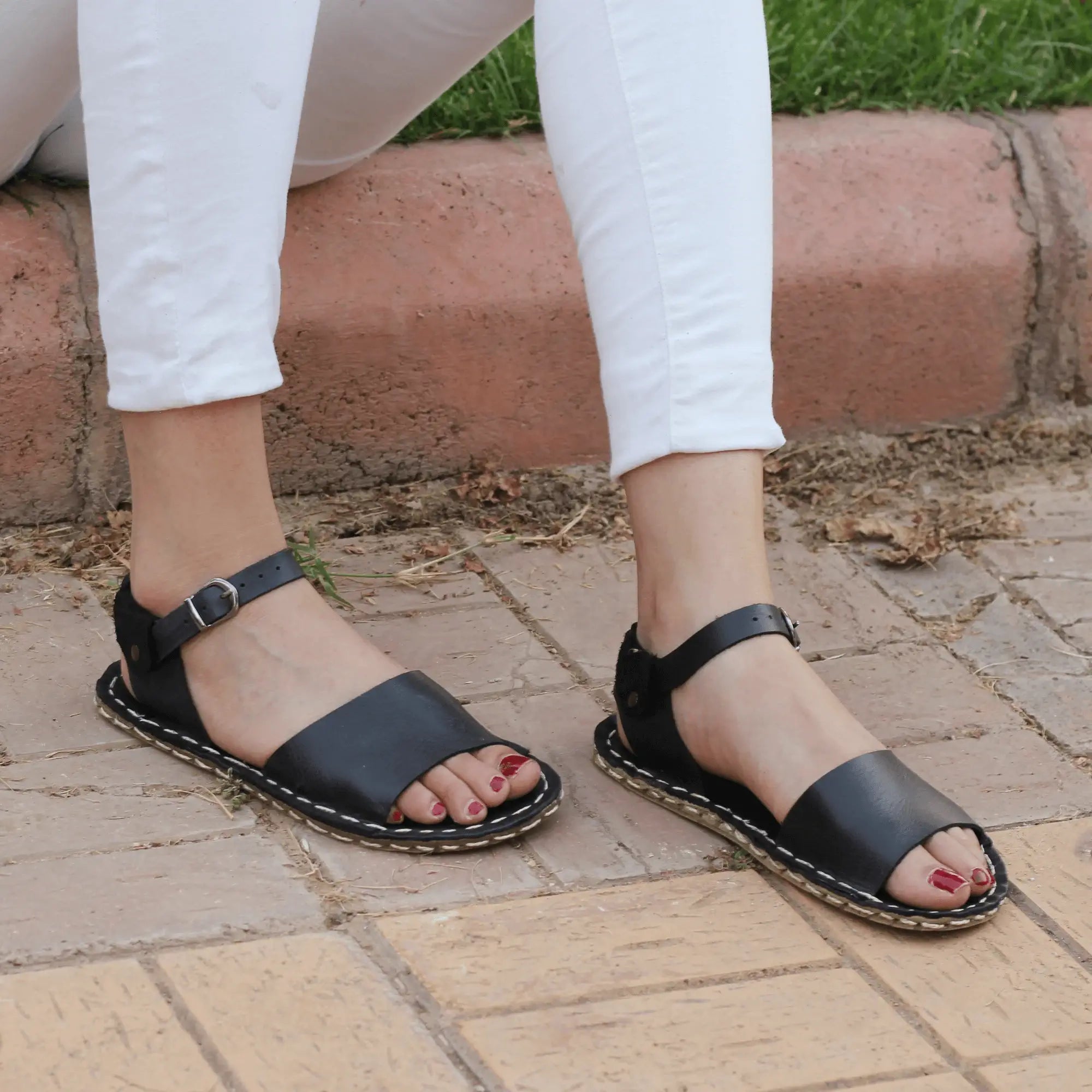
For warm weather, grounding sandals offer the most open, breathable experience. They work well for neighborhood walks, travel, outdoor gatherings, and days when you want your feet to feel the air. Look for straps that do not cut across the toes and a sole flexible enough to move with each step.
For daily city wear, minimalist leather sneakers and moccasins balance casual style with a foot-friendly shape. They are often the easiest entry point if you want one pair that works with jeans, relaxed trousers, and simple dresses. A low-profile leather shoe can look intentional without announcing itself as wellness footwear.
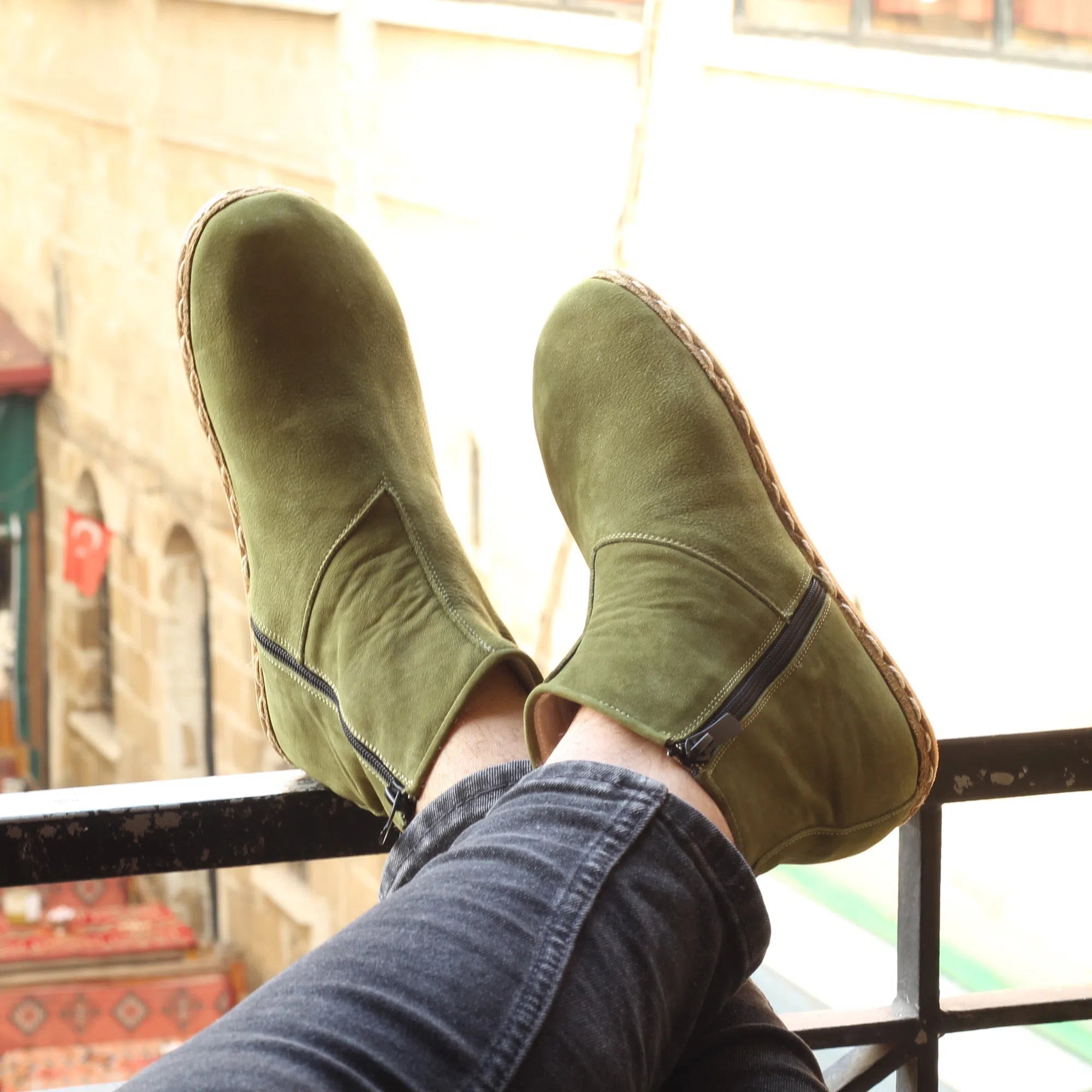
For cooler months, grounding boots provide more coverage without requiring a bulky, elevated sole. The best versions preserve zero drop and toe room while protecting the foot from wind and cold. Slippers are another powerful option, especially if you spend long hours at home on hard flooring and want to stop wearing narrow, cushioned house shoes.
Nefes Shoes builds handmade options across these categories, using natural leather and barefoot construction for women who refuse to choose between personal style and natural foot function.
How to Tell Whether a Shoe Is Truly Grounding
Marketing language can get fuzzy fast. Focus on construction rather than vague promises. Ask what the sole is made from, how thick it is, whether it is flexible, and whether there is a substantial insulating layer between your foot and the ground. A brand should be clear about these details.
It also helps to separate the grounding experience from sweeping health claims. Many people enjoy grounding as part of a broader wellness practice that includes time outdoors, walking, rest, movement, and attention to how their body feels. Footwear can support a closer connection to natural surfaces, but it is not a substitute for medical care, strength training, or addressing persistent pain with a qualified professional.
Your own experience matters. On a safe natural surface, notice whether you can feel subtle changes in the ground, whether your toes can relax, and whether your stride feels less restricted. The right shoe often feels less like a device and more like an extension of your foot.
A Better Transition From Conventional Shoes
If your closet is full of thick soles and narrow toe boxes, give your feet an intelligent transition. Wear your new grounding shoes for one or two hours at first. Choose level, familiar routes. Let your calves, arches, and toes adjust to working more actively.
Pay attention to discomfort without panic. Mild muscle fatigue can happen as underused tissues begin doing more, especially with zero-drop footwear. Sharp pain, numbness, or discomfort that persists is a signal to reduce time, reassess fit, or seek professional guidance. Freedom should feel restorative, not punishing.
Keep your shoes in good condition, too. Let leather dry naturally after use, avoid storing it near direct heat, and clean off dirt before it settles into the material. Handmade leather rewards basic care with a fit and finish that becomes more personal over time.
The best pair will not make your feet disappear from your awareness. It will remind you that they are strong, responsive, and designed for more than surviving another day inside a stiff, synthetic box. Choose shoes that give your toes room, your posture a level foundation, and your steps a little more contact with the world beneath them.