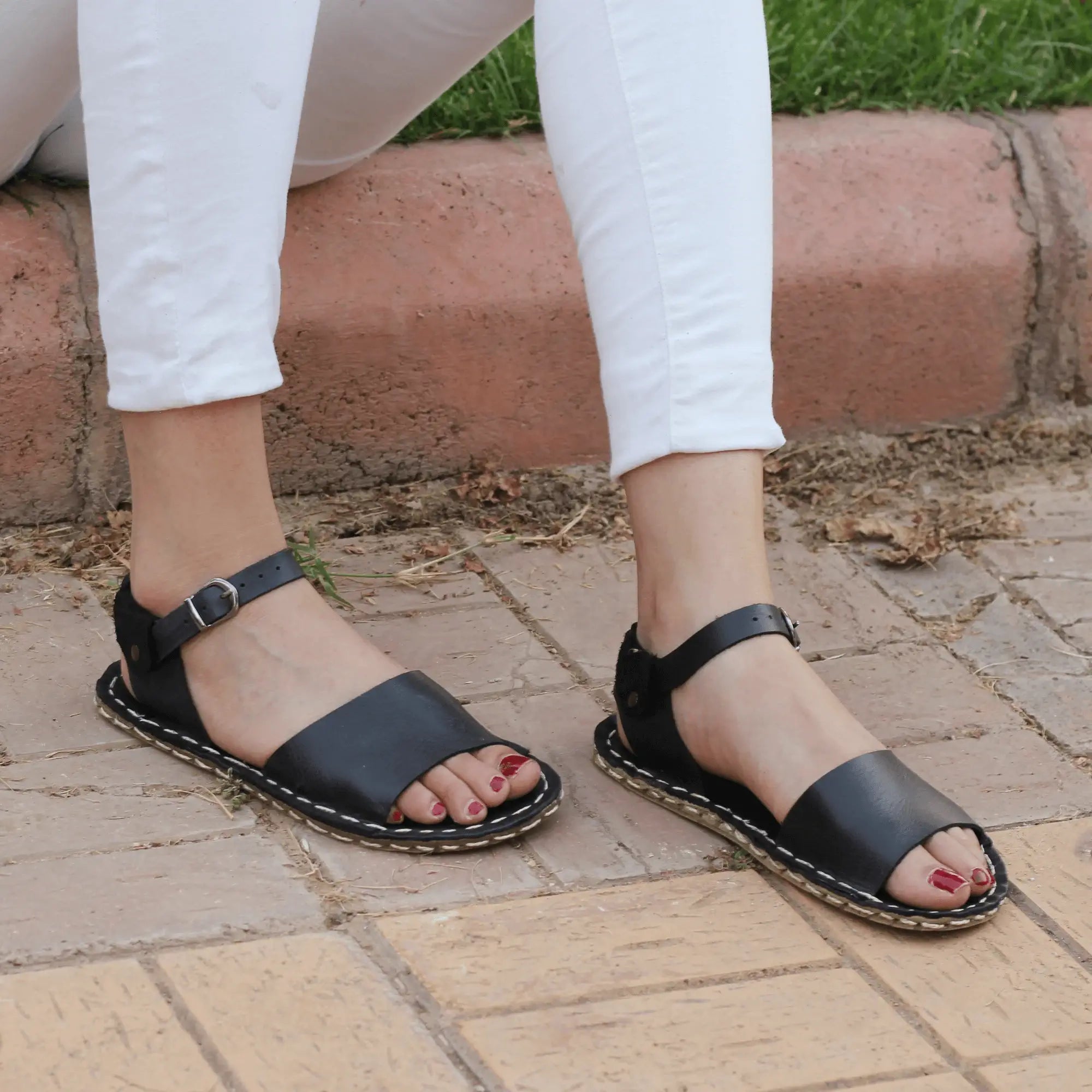
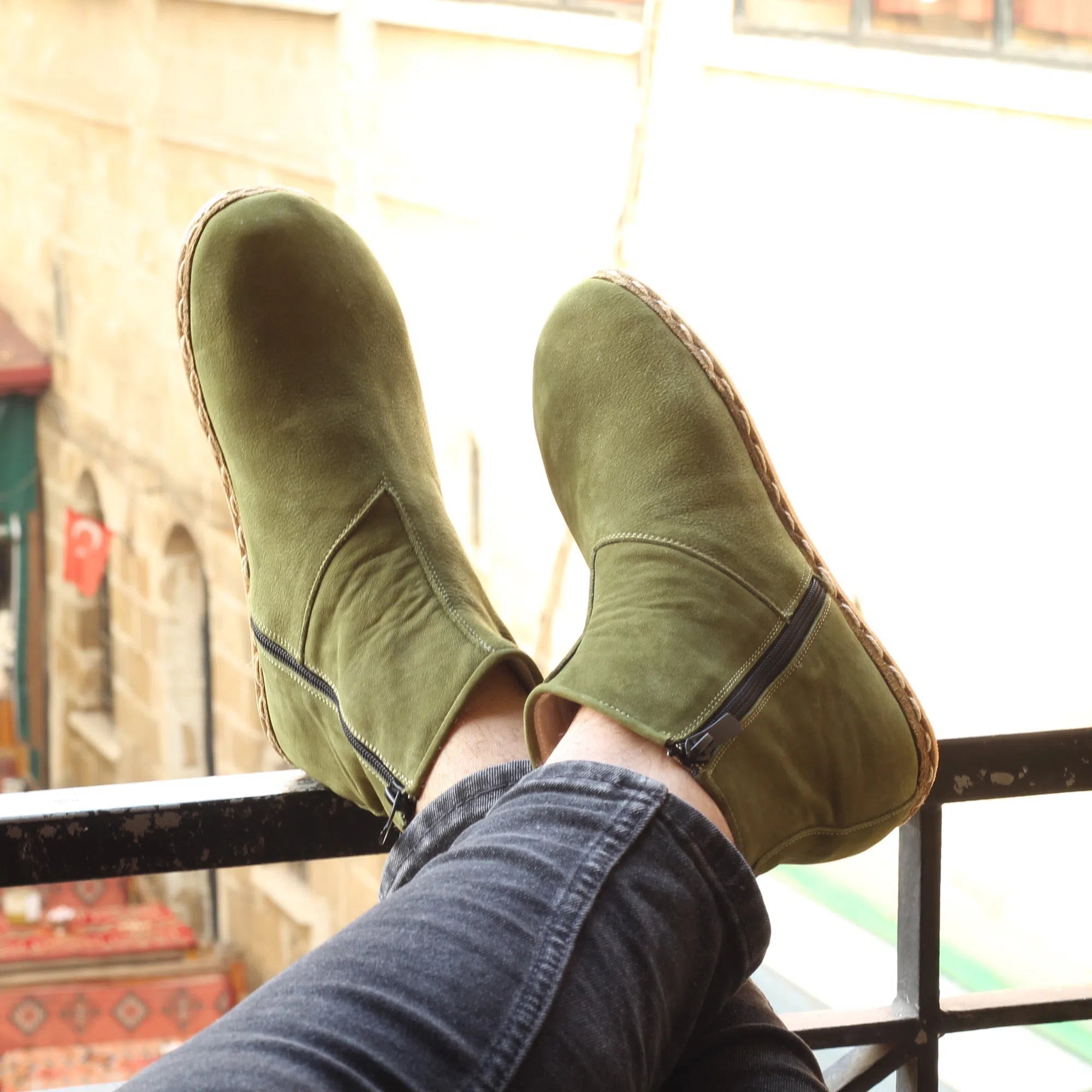
If you are asking what is the best barefoot shoe, the honest answer is not a single brand, a single style, or a viral favorite. The best barefoot shoe is the one that lets your feet move naturally, gives your toes room to spread, keeps your posture honest, and fits the way you actually live. Anything less is just another version of the modern shoe problem - narrow, lifted, stiff, and disconnected from how the body is built to move.
That may sound blunt, but feet have spent decades being squeezed into shapes they were never meant to hold. Raised heels shift weight forward. Narrow toe boxes crowd the forefoot. Thick, rigid soles mute the ground and limit the small adjustments your body makes with every step. Barefoot shoes push back against all of that. Still, not every shoe labeled barefoot deserves the title.
What Is the Best Barefoot Shoe for Most People?
For most people, the best barefoot shoe has five core traits: a true zero-drop sole, a wide toe box, a flexible sole, a secure fit, and materials that do not fight the foot. If one of those pieces is missing, the shoe starts drifting back toward conventional design.
Zero-drop means your heel and forefoot sit at the same level. That matters because heel elevation changes your alignment from the ground up. It can shift the ankle, knees, hips, and lower back into compensation. A barefoot shoe should let you stand and walk in a more natural position rather than pitching you forward.
A wide toe box matters just as much. Your toes are not supposed to be packed together like they are in dress shoes, athletic shoes, or most fashion boots. They need space to spread for balance, stability, and comfort. If the shoe looks sleek because it tapers aggressively at the front, that is usually your first warning sign.
Flexibility is where many shoppers get fooled. A shoe can be flat and still be too stiff. If the sole will not bend and move with the foot, it is still controlling your gait. The best barefoot shoe allows natural motion instead of forcing a fixed pattern.
Then there is fit. A barefoot shoe should feel secure around the midfoot and heel without crushing the toes. Loose and floppy is not the goal. Natural movement works best when the foot can move freely inside a shape that still holds it in place.
Finally, materials matter more than people think. Leather, especially when crafted well, can breathe, adapt, and age with the shape of your foot in a way many synthetic materials cannot. Cheap synthetic uppers often trap heat, encourage sweat, and create that plasticky feeling that makes footwear feel more like equipment than something made for a living body.
The Best Barefoot Shoe Depends on How You Live
People want a universal winner, but footwear is personal. The best barefoot shoe for city walking is not always the best one for office wear, travel, winter, or all-day standing. Your habits matter.
If you spend most of your day walking on pavement, you may want a barefoot shoe that still gives you ground feel but has enough material underfoot to keep repeated impact comfortable. If you work indoors and want something refined, the best choice may be a minimalist leather shoe that looks polished without giving up toe freedom. If you care about grounding, sole material becomes part of the decision too, not just shape and flexibility.
This is where the conversation gets more honest. A runner may want one thing. Someone recovering from years of cramped footwear may need another. A person who wants natural movement but also wants their shoes to look beautiful with everyday clothing is making a valid choice too. Barefoot living does not require dressing like you are headed to a trail at all times.
What to Look for Before You Buy
The easiest way to judge a barefoot shoe is to ignore the marketing first and look at the structure.
Start with the sole. Is it flat from heel to toe? Can it bend easily? Can it twist without fighting you? A shoe that feels like a board under the foot is not giving you much freedom.
Next, look at the shape from above. Does the forefoot follow the natural outline of a human foot, or does it narrow sharply into a point? Many companies talk about comfort while still building around a fashion silhouette that compresses the toes.
Then pay attention to the upper. Soft, breathable materials usually work better than stiff, synthetic ones. Leather can be especially appealing for people who want a shoe that molds over time, manages heat better, and feels more grounded in every sense of the word.
You should also consider how the shoe connects to your foot. Laces, straps, or well-designed closures matter because they keep the shoe stable without requiring tightness in the toe box. A roomy front and a secure middle are a strong combination.
Finally, ask whether the shoe supports your values as much as your feet. Handmade construction, natural materials, and thoughtful craftsmanship are not cosmetic extras. They often shape comfort, durability, breathability, and the overall experience of wearing the shoe every day.
Why Material Choice Changes the Experience
A lot of barefoot shoe discussions focus on biomechanics alone, but the material under and around your foot changes everything. Two shoes can have the same zero-drop profile and toe box width yet feel completely different after a full day.
Natural leather tends to breathe better, adapt to the foot more gracefully, and avoid the clammy feel common in synthetic shoes. It also brings a visual richness many barefoot brands lack. That matters because people are more likely to wear healthy shoes consistently when those shoes fit their style instead of feeling like a compromise.
There is also the question of connection. Some wearers are not only looking for anatomical freedom. They are also drawn to grounding and a closer relationship with natural materials. In that case, sole composition is not a minor detail. It becomes part of what makes the shoe feel aligned with the body rather than insulated from the world.
That is one reason artisanal barefoot footwear stands apart from mass-produced minimalist shoes. The best barefoot shoe is not always the one with the sportiest branding or the most technical language. Sometimes it is the one made with enough restraint and skill to let the foot do what it already knows how to do.
Common Mistakes When Choosing the Best Barefoot Shoe
One mistake is choosing based on trend instead of foot shape. A popular model may work beautifully for someone else and still fail your foot completely. Width, volume, and instep height all affect comfort.
Another mistake is going too extreme too fast. If you have spent years in heavily cushioned or heeled shoes, a very thin and flexible barefoot shoe may feel intense at first. That does not mean barefoot shoes are wrong for you. It means your feet and lower legs may need time to rebuild strength and mobility.
People also confuse minimal with cheap. A simple shoe is not the same thing as a poorly made one. Construction quality matters. Stitching matters. Material quality matters. A barefoot shoe should remove interference, not remove standards.
And then there is appearance. Too many shoppers assume they have to choose between natural foot function and personal style. That is outdated thinking. A well-made barefoot shoe can support alignment, breathability, and toe freedom while still looking refined, distinctive, and wearable beyond the gym or trail.
So, What Is the Best Barefoot Shoe Really?
The best barefoot shoe is the one that respects the foot instead of reshaping it. It should be flat, flexible, and foot-shaped. It should let your toes spread, your posture settle, and your stride work the way nature intended. And ideally, it should be made from materials that feel good against the body, not synthetic layers that trap heat and dull the experience.
For many people, that points toward a handcrafted leather barefoot shoe rather than a bulky athletic imitation of one. If you want natural movement without giving up aesthetics, breathable comfort, or a sense of connection to the earth, that combination matters. Nefes Shoes is built around exactly that idea - barefoot function, grounding philosophy, and handmade leather craftsmanship in one wearable form.
The better question is not which shoe has the loudest claims. It is which shoe lets your feet relax, spread, breathe, and move as they were designed to. Start there, and your body will usually tell you the truth faster than any marketing ever will.