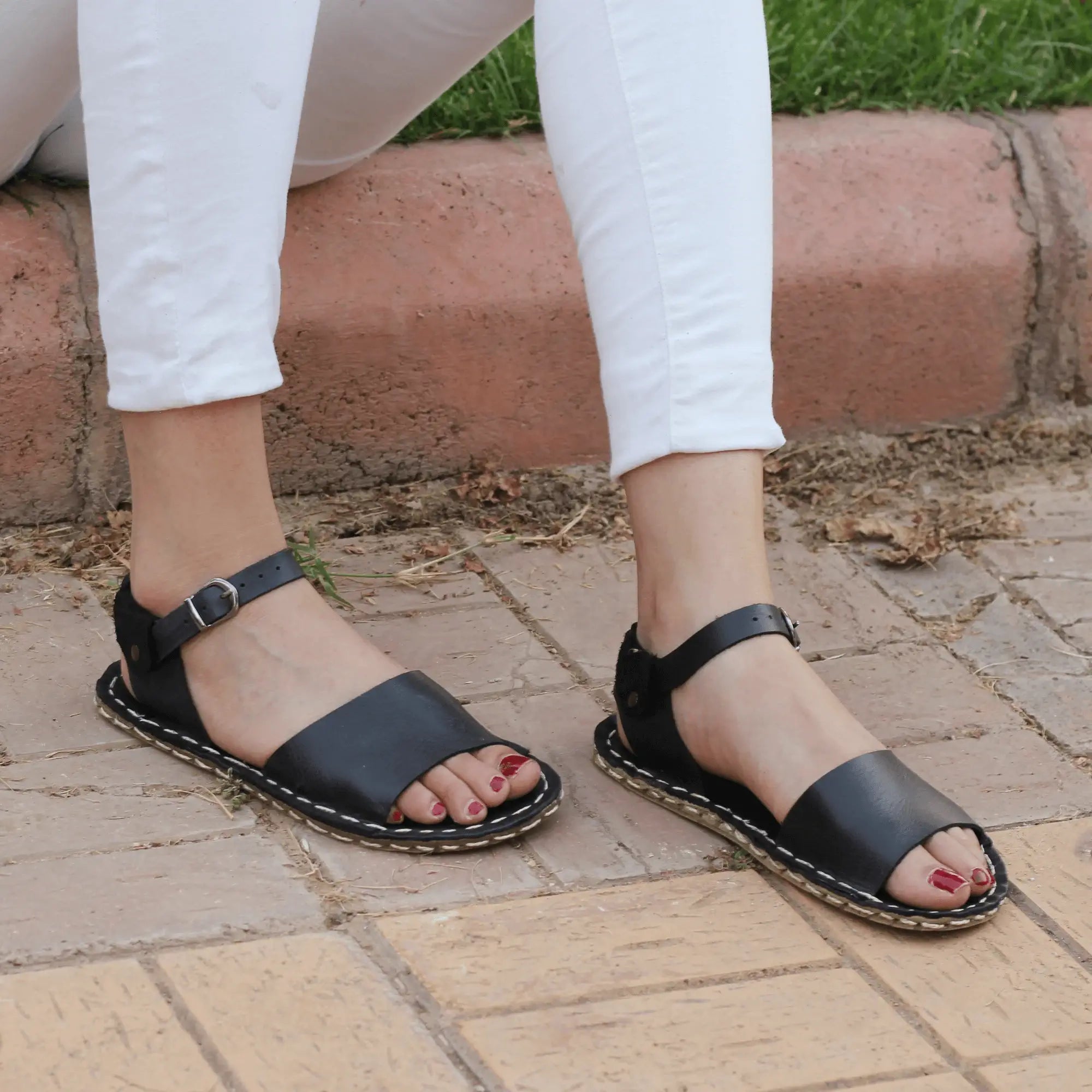
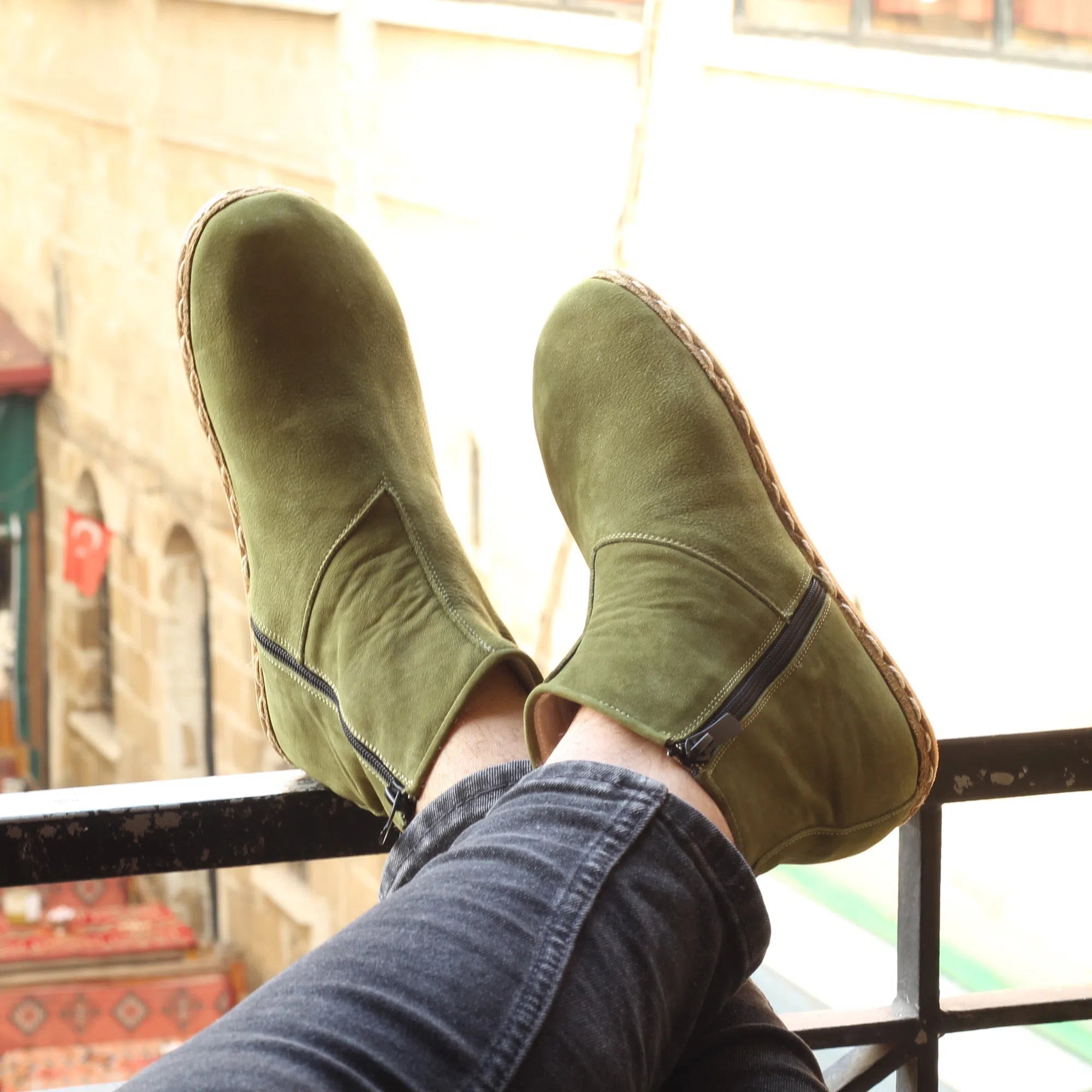
Most shoes ask your feet to behave. Barefoot friendly shoes do the opposite. If you have ever kicked off your sneakers after a long day and felt instant relief, you already understand the problem. The question is not just what are barefoot friendly shoes, but why so many conventional shoes feel wrong the moment your feet are finally free.
Barefoot friendly shoes are designed to let your feet move more like bare feet while still giving you protection from rough ground, weather, and daily wear. They do not force the toes into a pointed shape. They do not lift the heel higher than the forefoot. And they do not rely on thick, rigid construction to create a false sense of support.
That difference matters more than people think. Your feet are not passive blocks at the end of your legs. They are active, responsive structures with bones, joints, muscles, and nerves that help guide balance, posture, and movement. When shoes squeeze, tilt, or stiffen them, the effects can travel upward through the ankles, knees, hips, and spine.
What Are Barefoot Friendly Shoes, Really?
A barefoot friendly shoe is not simply a thin shoe. It is a shoe that respects natural foot function. That usually means a wide toe box, a zero-drop sole, flexibility through the forefoot, and a lighter, less structured build than traditional footwear.
The wide toe box is one of the most noticeable features. Your toes are meant to spread when you stand and walk. That natural splay helps with stability and weight distribution. In a narrow shoe, the toes are pushed together, which can feel normal only because so many people have worn cramped shoes for years.
Zero-drop means the heel and forefoot sit at the same height. This keeps your posture closer to your natural alignment. Traditional shoes often raise the heel, even in styles that do not look obviously elevated. That subtle lift can shift body weight forward and change how you stand and walk.
Flexibility matters too. A barefoot friendly sole should bend with the foot instead of fighting it. When the sole is overly stiff, your foot cannot articulate normally. That may sound minor, but over time it can reduce how much your foot muscles are asked to work.
The best barefoot friendly shoes also avoid unnecessary bulk. Heavy cushioning, hard arch structures, and rigid heel counters can interfere with the foot’s own ability to sense the ground and respond to it. Less interference often means more awareness.
The Features That Make a Shoe Barefoot Friendly
Not every minimalist-looking shoe is actually barefoot friendly. Some styles borrow the aesthetic but keep the same old problems hidden inside.
First, look at the shape. A truly foot-friendly shoe follows the natural outline of the foot, especially at the toes. If the front narrows sharply, it is still asking your toes to conform to the shoe instead of letting the shoe conform to the foot.
Next, check the sole. A thin to moderate sole can work well if it stays flexible and level from heel to toe. Thin is not always better for every person, especially if you are new to this style or spend long hours on hard urban surfaces. But flexibility and zero-drop are usually more important than simply going ultra-thin.
Materials also make a real difference. Natural leather tends to breathe better, mold to the foot more naturally, and avoid the plastic feel of synthetic uppers. For people who care about both wellness and craftsmanship, this is not a cosmetic detail. A natural material changes how the shoe wears, how it feels, and often how long it lasts.
If grounding or earthing matters to you, sole construction becomes even more specific. Some barefoot friendly shoes are made to support direct earth connection through natural conductive materials. That is a separate feature from barefoot design alone, but the two often overlap because both reject overly engineered, synthetic isolation.
Why Conventional Shoes Miss the Mark
Modern footwear has spent decades convincing people that more structure equals more support. But support is not always the same as function.
A narrow toe box can weaken natural toe engagement. A raised heel can alter alignment. Thick cushioning can dull sensory feedback. Stiff soles can limit motion. None of these features automatically make a shoe terrible for every situation, but together they create a design philosophy that treats the foot as something to control.
Barefoot friendly shoes challenge that idea. They assume the foot is intelligent by design. Instead of bracing it into submission, they aim to give it room to do its job.
That does not mean every person should instantly switch from supportive running shoes to ultra-minimal sandals and walk ten miles. Adaptation matters. If your feet have spent years in rigid shoes, they may need time to rebuild strength and mobility. There is freedom here, but there is also a learning curve.
Benefits of Barefoot Friendly Shoes
The first benefit many people notice is comfort, but not the soft, pillowy kind. It is the comfort of no longer being pinched, tilted, and boxed in.
Toe freedom can reduce that crowded feeling many people accept as normal. A level sole can help the body stack more naturally. A flexible base can make walking feel more connected and responsive. For some people, this translates to better balance, less fatigue, and a stronger sense of stability.
Natural materials can add another layer of comfort. Leather, especially when well crafted, can breathe, adapt, and age with character. It often feels less sweaty and less synthetic against the skin, which matters if you wear your shoes for long hours.
Then there is the less visible benefit: awareness. When your feet can feel more of the ground and move with fewer restrictions, you often become more conscious of how you stand and walk. That awareness can lead to healthier movement patterns over time.
Who Are Barefoot Friendly Shoes Best For?
They make sense for people who are tired of cramped footwear, curious about natural movement, or trying to move away from stiff, heavily structured shoes. They also appeal to anyone who wants style without giving up foot function.
That said, barefoot friendly does not mean one-size-fits-all. Someone recovering from injury, dealing with specific medical concerns, or coming from years of highly supportive shoes may need a slower transition or more guidance. The right shoe also depends on use. What feels ideal for casual walking may not be the same choice for trail use, winter wear, or long days on concrete.
The smart approach is not blind conversion. It is choosing footwear that gives your feet more freedom without asking your body to adapt too much too fast.
How to Tell If Barefoot Friendly Shoes Are Right for You
Start with your current shoes. When you take them off, do your feet feel relieved? Do your toes look compressed? Do you notice soreness in the ball of the foot, cramped toes, or a sense that your shoes are doing more controlling than supporting?
Then think about what you want from footwear. If your priority is natural alignment, toe freedom, flexibility, breathability, and a more grounded walking experience, barefoot friendly shoes are likely worth serious attention.
A good first pair should feel liberating, not punishing. You want room in the toe box, a secure but not restrictive fit, and enough sole protection for your daily environment. Handmade leather options often strike that balance beautifully because they combine softness, structure where needed, and a more natural feel than synthetic mass-market shoes.
For shoppers who want both wellness and craftsmanship, this is where the conversation gets more interesting. A barefoot friendly shoe should not look like a compromise. It can be beautifully made, versatile, and expressive while still honoring how the human foot was built to move. That is exactly why brands like Nefes Shoes speak to people who are done settling for conventional footwear that fights the body at every step.
What Barefoot Friendly Shoes Are Not
They are not magic. They will not erase every foot issue overnight. They are not always the perfect tool for every sport or every stage of recovery. And they are not just a trend for wellness culture.
At their best, they are a return to common sense. Feet need space. Bodies function better when alignment is not constantly distorted. Natural materials usually feel better than plastic-heavy alternatives. And handmade construction still matters in a world full of disposable shoes.
If you have spent years wearing footwear that narrows the front, raises the heel, and separates you from the ground, switching can feel surprisingly emotional. Not because it is dramatic, but because relief has a way of exposing what your body has been tolerating for too long.
The real value of barefoot friendly shoes is simple: they let your feet be feet. And once you feel that difference, it becomes much harder to go back.