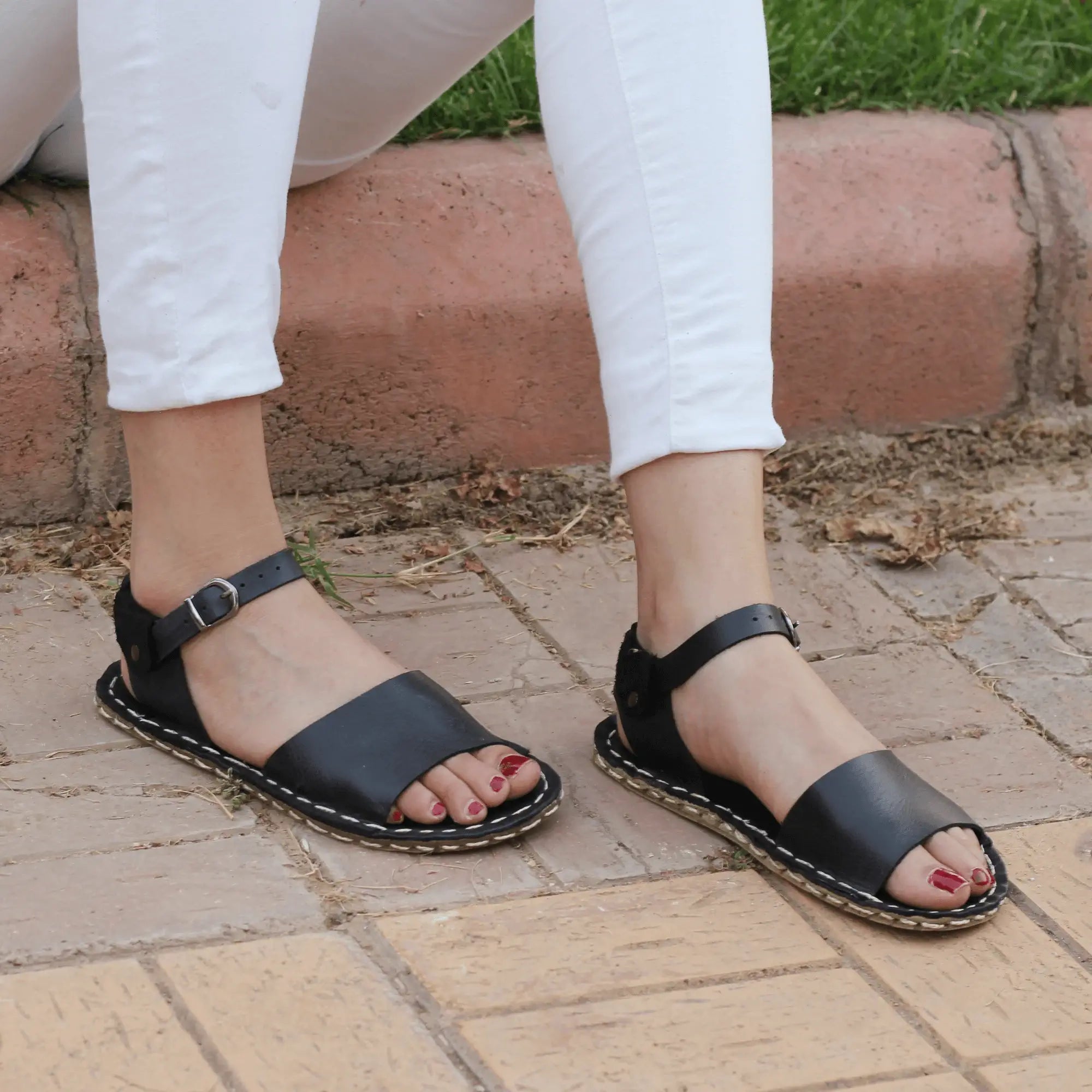
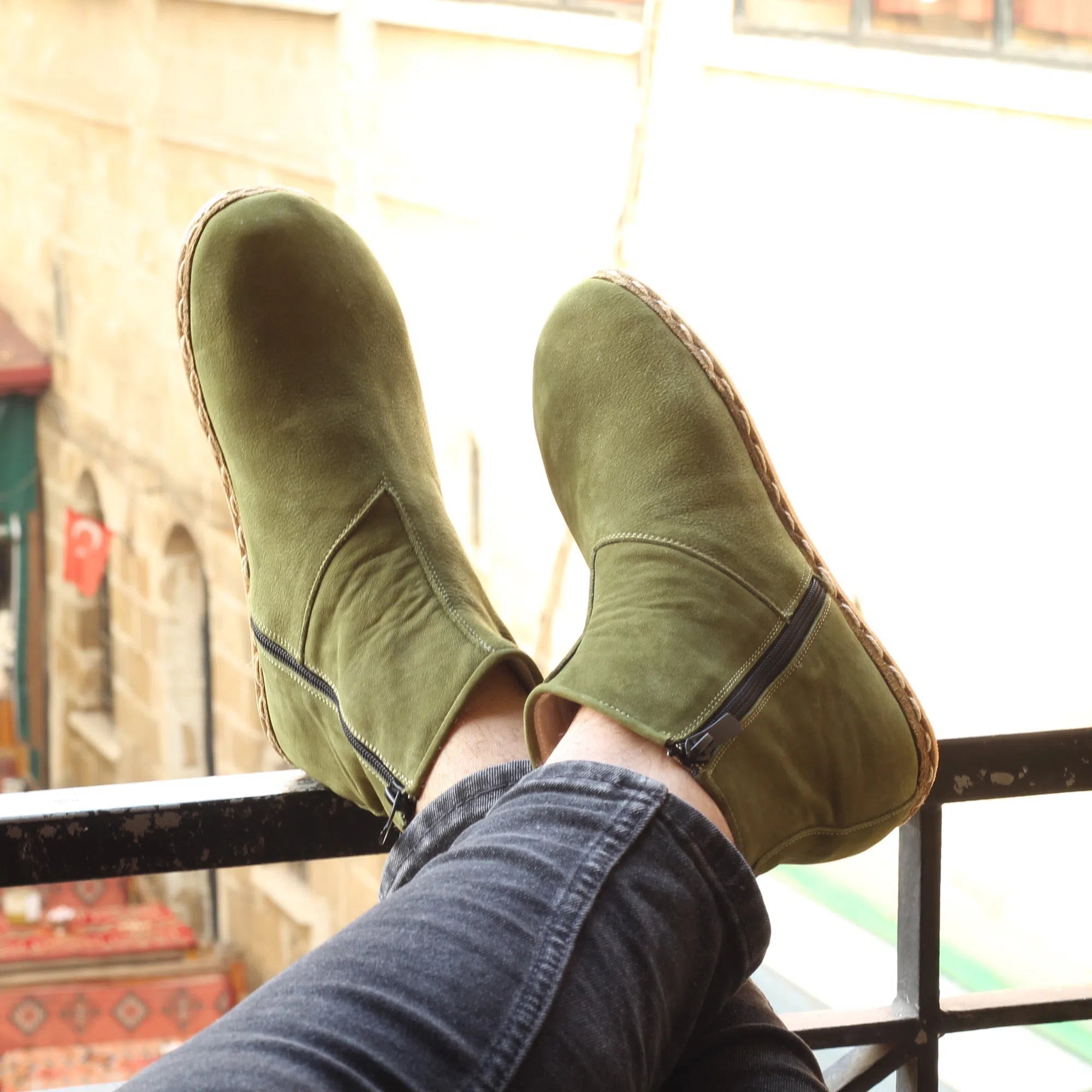
A cheap pair of barefoot shoes can feel like a win right up until your toes hit a narrow front, the sole cracks in a month, or the upper turns into a sweaty plastic shell. That is the real problem with searching for the cheapest barefoot shoes - the lowest price is not always the lowest cost.
If you care about natural movement, foot strength, and all-day comfort, the better question is this: which affordable barefoot shoes actually respect the shape and function of the human foot? Price matters. But if a shoe squeezes your toes, lifts your heel, or falls apart fast, you are paying for a compromise your body will notice.
How to shop the cheapest barefoot shoes wisely
Barefoot footwear lives in an odd corner of the market. Some brands charge premium prices because small-batch production, natural materials, and better construction really do cost more. Others use the language of minimalism while quietly selling the same old design problems in a thinner package.
That is why a bargain can go two ways. You either get a simple, honest shoe that lets your feet move naturally, or you get a stripped-down product that is cheap because something essential was removed.
The cheapest barefoot shoes worth buying usually get a few fundamentals right. They have a truly wide toe box, not a standard toe shape with extra marketing. They keep the foot close to level with zero drop or very close to it. They bend where your foot bends. And they avoid the stiff, overbuilt feel that turns walking into work.
Once those basics are in place, the rest becomes a trade-off. Maybe you give up premium leather for canvas. Maybe the sole is thinner than you prefer on city pavement. Maybe the finish is less refined. Those are reasonable compromises. Crushing your toes is not.
What makes a barefoot shoe cheap in the first place?
Price drops for different reasons, and not all of them are bad. Sometimes a shoe costs less because it uses simpler materials, a basic construction method, or fewer style details. Sometimes it is part of a direct-to-consumer model that cuts retail markup. Sometimes it is discounted because a brand is clearing seasonal inventory.
But there is another side to cheap. A low-cost barefoot shoe often becomes cheap by relying on synthetic uppers that trap heat, glued construction that separates early, or generic molds that do not truly allow toe splay. It may look flat and flexible in product photos while still forcing the foot into a shape nature never intended.
That is the difference shoppers should care about. A fair price is one thing. False economy is another.
The hidden cost of ultra-cheap minimalist shoes
When people switch to barefoot shoes, they are usually trying to solve something real. Maybe their feet feel cramped. Maybe they are tired of heel-heavy shoes throwing off posture. Maybe they want better ground feel, less sweat, or a more natural stride. An ultra-cheap pair that ignores those needs can leave them thinking barefoot footwear does not work, when the real issue is poor design.
The hidden cost is not only durability. It is also distraction. A shoe that rubs, slides, compresses, or overheats keeps your body in defense mode. Natural movement is hard to find when the shoe is constantly asking your feet to compensate.
The features that matter more than the price tag
If your budget is limited, focus on the details that affect foot function first. Everything else comes second.
A wide toe box should be non-negotiable. Your toes need room to spread, stabilize, and move as you walk. This is one of the biggest reasons people leave conventional shoes behind, and it is the first thing many cheap brands fake.
Zero-drop construction matters too. When heel and forefoot sit at the same level, your posture and gait can work more naturally. Even a slight heel lift can keep you in the same pattern many people are trying to escape.
Flexibility is equally important, but it should be natural, not flimsy. A sole should bend with your foot instead of fighting it. At the same time, a shoe should not feel like disposable fabric wrapped around foam. There is a difference between freedom and weakness.
Material matters more than many shoppers expect. Synthetic shoes can be inexpensive, but they often trap moisture and odor. Natural materials, especially leather, tend to breathe better, mold to the foot over time, and feel more grounded in every sense. They usually cost more, yes, but they can also age better and feel better on the body.
Cheapest barefoot shoes versus best value barefoot shoes
These are not always the same thing.
The cheapest barefoot shoes are simply the ones with the lowest price today. The best value pair is the one that gives you natural toe freedom, comfort, useful durability, and enough quality that you still want to wear them months from now. That second category is where smart shoppers should live.
If a $45 pair lasts one season and a $95 pair lasts much longer while feeling better every day, the lower price does not automatically make the first pair the better deal. That is especially true if you wear barefoot shoes often. Everyday footwear takes a beating. Construction quality shows up quickly.
This is where handcrafted footwear enters the conversation. Handmade shoes are rarely the absolute cheapest option, but they can offer a different kind of value - better materials, more thoughtful shaping, and a product that feels made by people rather than pushed through a factory line. For buyers who care about foot health and natural materials, that difference is not cosmetic.
When paying a little more makes sense
If you are buying your first pair just to test the category, a lower-cost entry point can be reasonable. You may not want to invest heavily before you know how a minimalist shoe feels on your body.
But if you already know you prefer barefoot living, it often makes sense to step up in quality. Better leather, stronger stitching, and a truly anatomical shape are not luxury extras. They are the reasons the shoe works.
Brands like Nefes Shoes speak to that middle ground well - not the race to the bottom, but the search for honest value through natural materials, handmade construction, and a design that lets the foot behave like a foot.
How to spot a bad bargain fast
The easiest red flag is when a shoe claims to be barefoot but still narrows sharply at the toes. The human forefoot is not pointy. If the outsole shape looks fashion-first and foot-second, move on.
The next warning sign is a thick stack of foam pretending to be minimalist because the heel is technically low. Barefoot shoes should help you feel the ground, not float above it in a softer disguise.
Watch for stiff sidewalls, overly padded collars, and synthetic linings that look like they belong in a gym bag. These features can make a shoe feel substantial in the box while making it feel disconnected and hot on the foot.
It also helps to read product descriptions carefully. If a brand talks a lot about style but avoids specifics like toe box shape, zero-drop design, sole flexibility, and materials, that usually tells you something.
The smartest way to buy on a budget
If your goal is to spend less without buying junk, timing matters. Seasonal sales, first-order discounts, and clearance colors can bring better-made barefoot shoes into reach. This is often smarter than grabbing the absolute cheapest pair available year-round.
It also helps to think about use case. If you need one pair for daily wear, prioritize comfort, breathability, and durability. If you only want a light travel shoe or occasional casual pair, you may be able to compromise a bit more on material or finish.
Be honest about transition, too. Some people moving from cushioned conventional footwear do better with a slightly more forgiving sole at first. Others want the thinnest possible ground feel right away. Cheap does not tell you which one fits your body. Design does.
So what should you actually look for?
Look for a shoe that gives your toes space, keeps your heel level, flexes easily, and uses materials that do not fight your skin. If you can find that at a lower price, great. If the bargain comes from reduced packaging, simpler styling, or a sale, even better.
Just do not confuse a low sticker price with real value. Your feet carry you through everything. They should not be pushed back into narrow, synthetic, heel-lifted thinking simply because the word barefoot showed up on the label.
A good affordable barefoot shoe should feel like freedom, not compromise. If it lets you move naturally, breathe easier, and stay connected to the ground beneath you, that is money well spent.