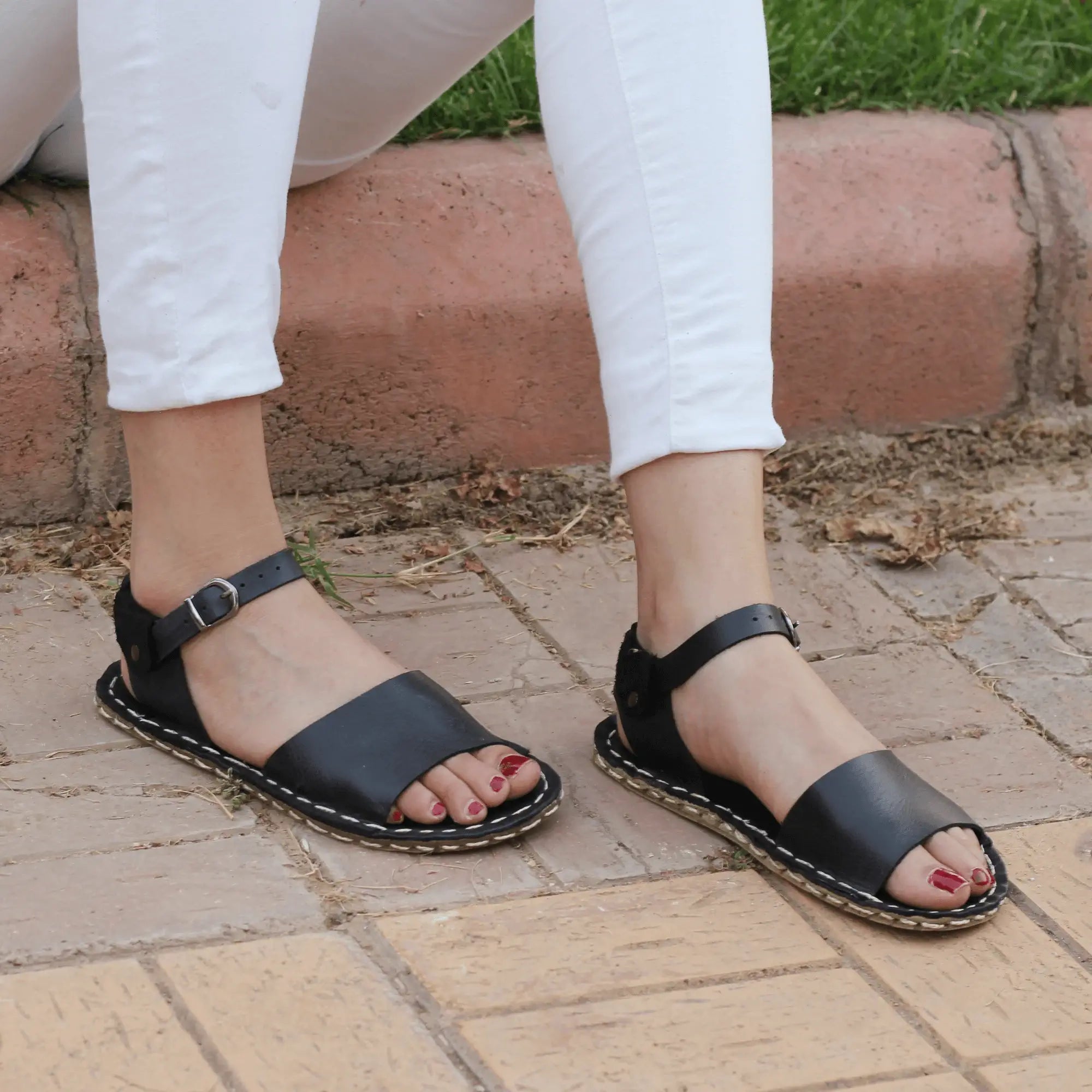
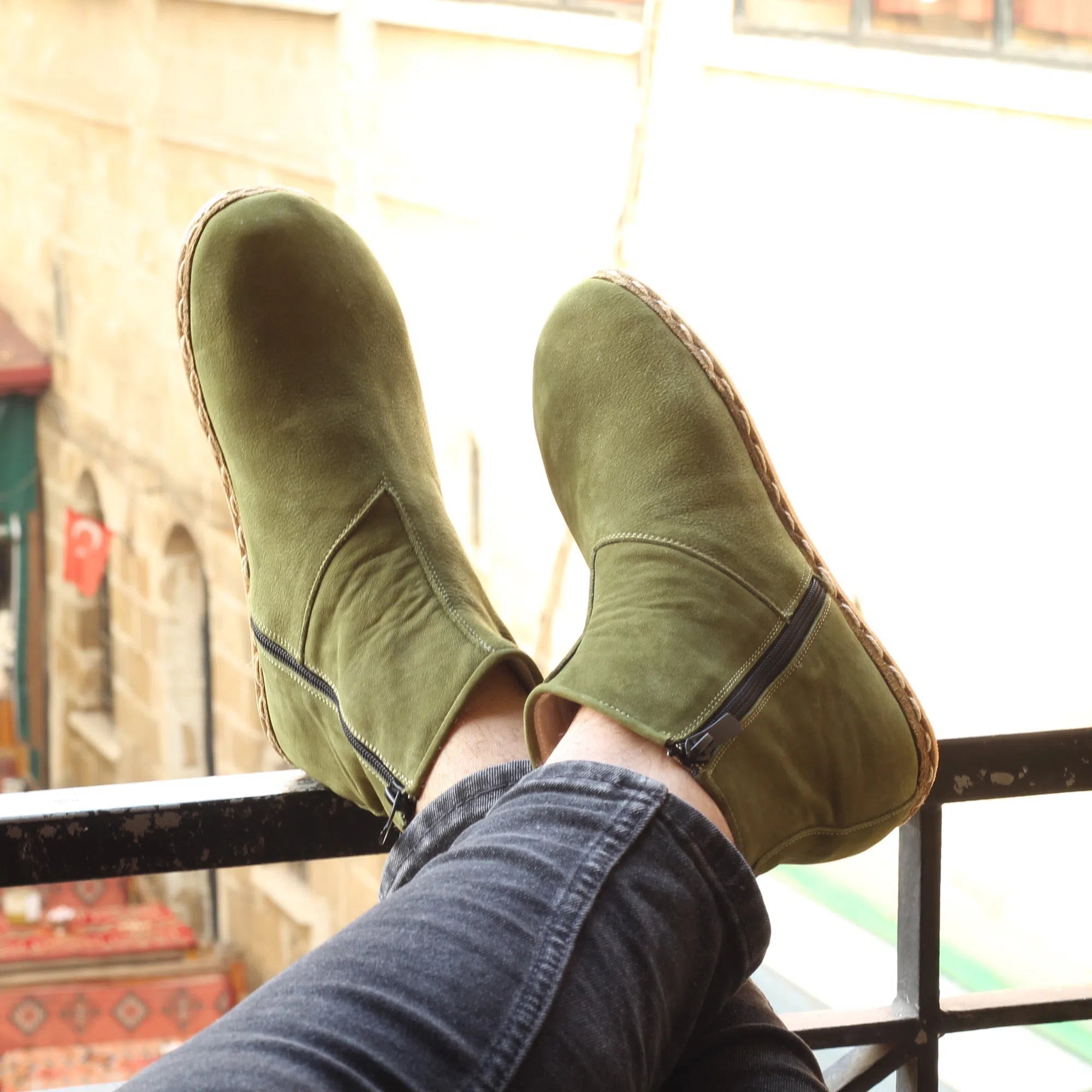
If your shoulders feel rounded, your lower back stays tight, and standing for long periods leaves you shifting from side to side, your shoes may be part of the problem. Can barefoot shoes help posture? In many cases, yes - but not because they magically straighten your spine. They can help by removing some of the design features in conventional shoes that push the body out of its natural alignment.
Most people have spent years in shoes with raised heels, thick cushioning, narrow toe boxes, and stiff soles. That combination changes how you stand and move. When the heel is elevated, your weight shifts forward. When the toes are squeezed, your base becomes less stable. When the sole is rigid, your feet stop doing the small balancing work they were built to do. Posture is not just about your back. It starts at the ground.
How barefoot shoes can help posture
Barefoot shoes support a simpler idea: let the foot function more like a foot. That usually means a zero-drop sole, a wide toe box, a flexible build, and less interference between your body and the ground.
The zero-drop design matters most for posture. In traditional shoes, even a modest heel lift can tilt the body forward. To stay upright, the knees, hips, and lower back often compensate. Over time, that can reinforce a standing pattern that is less stacked and less relaxed. A zero-drop shoe places the heel and forefoot at the same level, which can encourage a more neutral alignment from the ankles upward.
The toe box matters too. Your toes are not decoration. They help stabilize the body, especially when you walk, balance, and shift weight. If your toes are compressed, your foot loses some of its natural platform. A wider toe box allows toe splay, which can improve balance and help distribute pressure more evenly. Better balance often leads to less tension higher up the chain.
Flexibility is the other key piece. A stiff sole acts like a brace. It may feel supportive, but it can also reduce the foot's own ability to sense and respond to the ground. A flexible sole allows more natural motion and better sensory feedback. That feedback helps your body make small postural adjustments throughout the day instead of locking into one strained position.
Why posture starts with the feet
Many posture conversations focus on the neck, shoulders, or core. Those areas matter, but they are not the whole story. Your feet are your foundation. If the foundation is tilted, cramped, or disconnected from the ground, the rest of the structure has to adapt.
Think about what happens in raised-heel footwear. The ankle is placed in a slightly pointed position. That can affect calf tension, knee position, pelvic tilt, and spinal posture. Not everyone feels these changes immediately, but the pattern is common. The body is smart and adaptable. It will find a way to keep you moving. The problem is that compensation is not the same as good alignment.
Barefoot shoes do not force perfect posture. What they often do is remove common obstacles. They stop lifting the heel. They stop crowding the forefoot. They stop overbuilding the sole. For many people, that creates conditions where better posture becomes more possible.
This is also why some people notice changes quickly. They stand more evenly. Their stride looks less heavy. Their hips feel less jammed. Others notice subtler shifts, like less fatigue when standing or a greater sense of connection to the ground. Natural movement is not flashy. It is usually felt as ease.
Can barefoot shoes help posture for everyone?
Not automatically. This is where honesty matters.
If you have spent decades in conventional footwear, your body has adapted to that shape. Your calves may be tight. Your feet may be weak. Your walking pattern may rely on cushioning and structure. Switching to barefoot shoes can help posture over time, but there is often a transition period. Without one, some people feel soreness in the arches, calves, or Achilles.
Posture problems also do not come from shoes alone. Long hours sitting, stress, old injuries, mobility restrictions, and strength imbalances all play a role. If your thoracic spine is stiff and your hips barely extend, changing shoes may help, but it will not fix everything by itself.
That said, footwear is one of the few posture inputs you deal with every day. You may sit for work, stretch after dinner, and exercise a few times a week. But shoes shape every step. If they constantly place your body in a less natural position, that influence adds up.
So the better answer is this: barefoot shoes can help posture when they are part of a broader return to natural mechanics. They are not a cure. They are a tool - and often a powerful one.
What changes people often notice first
The first shift is usually not dramatic spinal realignment. It is awareness.
People begin to notice how hard they were striking the ground, how much they were leaning forward, or how often they stood with their weight dumped into the heels or outer edges of the feet. Barefoot shoes tend to reveal movement habits because there is less material masking them.
The second shift is often balance. With a flatter base and more room for the toes, many wearers feel steadier. That matters for posture because balance and alignment are closely linked. A body that feels unstable tends to grip and brace. A body that feels grounded can relax into a more efficient position.
Then comes foot strength. Over time, if the transition is gradual, the muscles of the feet and lower legs may begin doing more of the work they were designed to do. Better foot function can support cleaner movement up through the ankles, knees, and hips. That does not mean every ache disappears. It means the body may start relying less on compensation.
How to transition if posture is your goal
If you want to know whether barefoot shoes can help posture, do not start by wearing them all day on day one. That approach can turn a good idea into an avoidable setback.
Start with short periods of walking and standing. Let your feet and calves adapt. Pay attention to whether you are landing heavily or gripping with your toes. The goal is not to muscle your way into "better posture." The goal is to let your body rediscover a more natural stance.
It also helps to walk on varied surfaces when possible. The body responds well to real sensory input. A flexible sole paired with natural movement can wake up patterns that thick, synthetic footwear tends to dull. This is one reason some people are drawn not just to minimalist construction but also to natural materials and grounding-oriented design. When shoes are less intrusive, your connection to the ground feels more direct.
If you are dealing with chronic pain, severe flat feet, or a history of injury, take a slower route. Some people benefit from mixing barefoot shoes with their usual footwear while they build tolerance. There is no prize for rushing. Stronger, more responsive feet develop through repetition, not force.
What to look for in posture-friendly barefoot shoes
Not every shoe labeled minimalist is built the same. If posture is part of your reason for switching, focus on a few essentials.
A true zero-drop sole is the starting point. If the heel sits higher than the forefoot, the posture benefits are reduced. A wide toe box is equally important because alignment is harder to improve if the toes are still being compressed.
You also want flexibility. The sole should bend and move with the foot rather than acting like a slab under it. Breathable natural materials can add comfort, especially if you plan to wear the shoes regularly. And fit matters more than branding language. A beautifully made shoe still needs to let your foot spread and move naturally.
For people who care about both wellness and style, this is where handcrafted barefoot shoes stand apart. You should not have to choose between natural alignment and something you actually want to wear. Nefes Shoes builds around that idea - real barefoot principles, natural leather, and a shape that respects the foot instead of reshaping it.
The trade-off most brands ignore
Conventional shoes often sell support by making the foot passive. They add structure, control motion, and cushion impact so completely that the foot stops participating. That can feel comfortable in the short term. But comfort and function are not always the same thing.
Barefoot shoes ask more of your body. That is the trade-off. They can help posture by encouraging natural alignment and active movement, but they also require adaptation. For some people, that feels liberating. For others, it feels unfamiliar at first because real foot function has been missing for years.
The good news is that unfamiliar does not mean wrong. Sometimes it means your body is meeting the ground honestly for the first time in a long time.
If you are chasing better posture, start lower. Look at what is under your feet. The right shoe will not hold you upright like a brace. It will stop getting in the way, and that is often where real change begins.