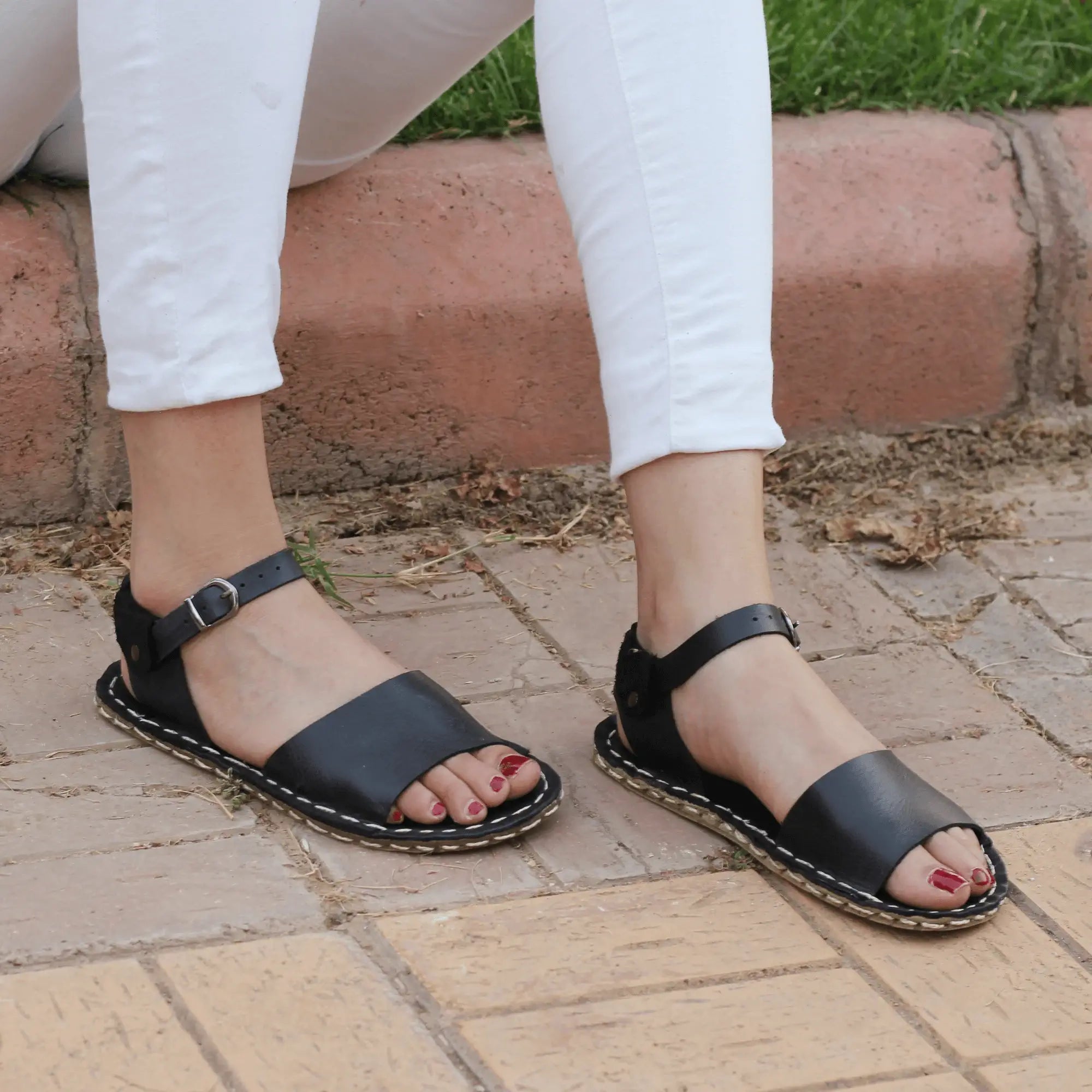
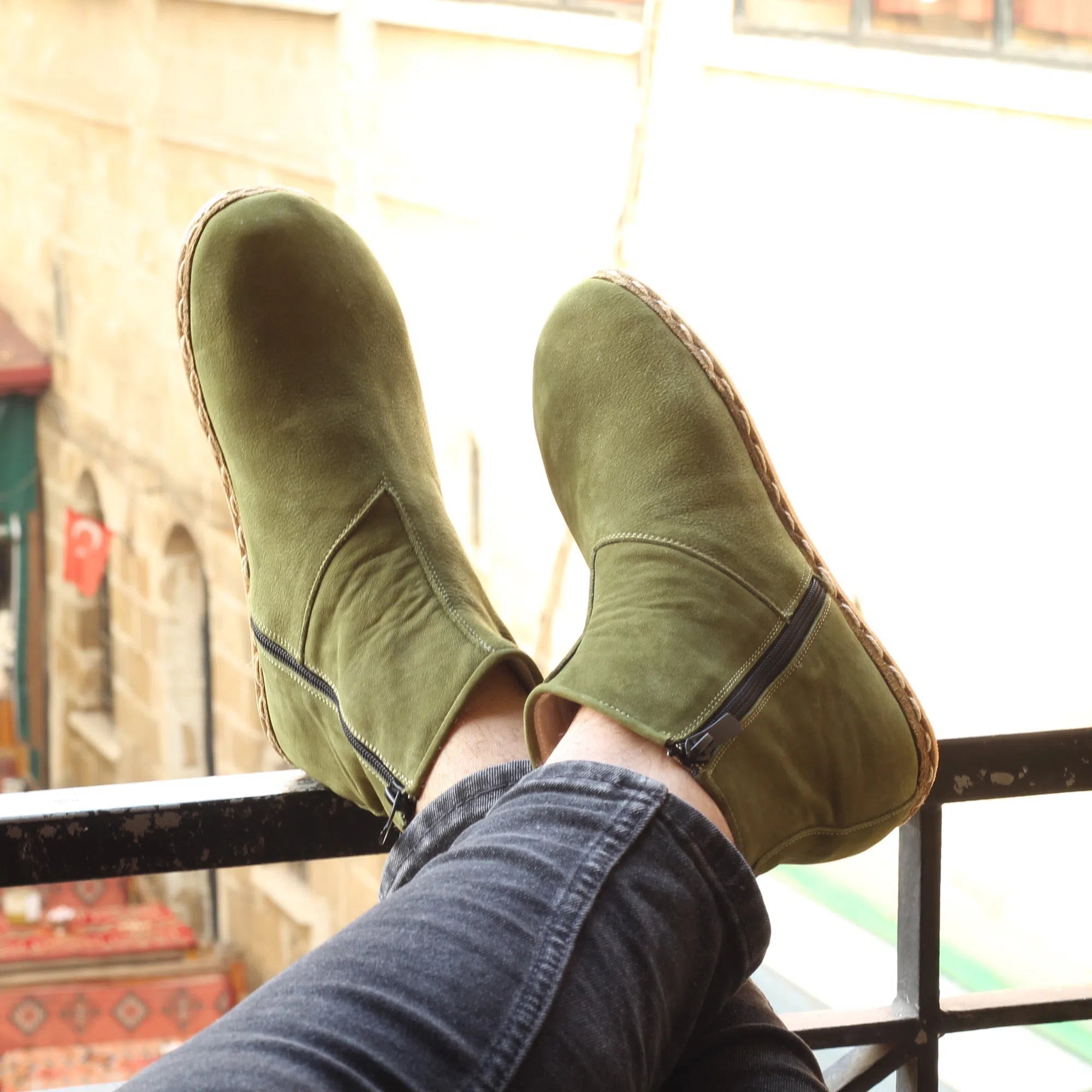
Most shoes ask your feet to behave unnaturally. They taper the front, squeeze the toes together, and treat that pressure like normal. A proper wide toe box guide starts with rejecting that idea. Your toes are supposed to spread, stabilize, and move. If your footwear crushes that function, comfort is not the only thing you lose.
A wide toe box is exactly what it sounds like - more room through the forefoot and toe area so your toes can rest in a natural position. But not every shoe labeled wide actually gives your foot what it needs. Some are simply bulky. Others are wide in the middle but still point inward at the front. If you care about alignment, balance, breathability, and long-term foot health, shape matters more than marketing.
What a wide toe box actually does
When your toes have room to spread, your whole body gets a better foundation. The forefoot helps absorb force, maintain balance, and support a more stable walking pattern. A cramped toe box can interfere with all of that, especially if the shoe also has a raised heel and stiff sole.
This is where many people feel the difference almost immediately. Pressure on the little toe eases. The big toe is not pushed inward as aggressively. Hot spots can calm down. Feet often feel less trapped, which also helps with sweating and general fatigue. For people who spend long hours standing or walking, that extra room is not a luxury. It is basic function.
There is also a longer view. Toe compression has been linked to issues like bunion irritation, overlapping toes, and a general loss of natural toe splay. A shoe cannot fix every foot problem, but it can stop making things worse. That matters.
Wide toe box guide: shape matters more than width labels
One of the biggest mistakes shoppers make is assuming a wide width and a wide toe box are the same thing. They are not. A standard wide shoe may add volume around the sides or across the ball of the foot, but still taper sharply at the front. Your foot gets more space in one area and still gets pinched where it counts.
A true wide toe box follows the natural outline of the human foot. It looks less pointed and more anatomical. That can seem unusual if you have spent years in conventional footwear, but your foot is not meant to resemble a narrow dress shoe last.
This difference is why some people try "wide" shoes and still feel cramped. The label says wide. The shape says otherwise. If the big toe is being nudged inward or the smaller toes are stacked and crowded, the shoe is not doing the job.
Signs your current shoes are too narrow
You do not need severe pain to know your toe box is working against you. Sometimes the evidence is subtle at first. You may notice rubbing along the outside of the little toe, numbness after walking, soreness at the ball of the foot, or a feeling that you want to take your shoes off the second you sit down.
Other signs build slowly. Your toes may start looking less straight over time. You may develop calluses where the foot is repeatedly pressed against the upper. Some people notice balance issues, or a sense that their feet feel weak and disconnected from the ground. That is not just aging or bad luck. Often, it is the result of years spent inside shoes that never let the foot work naturally.
If your shoes feel fine in the morning and miserable by afternoon, that is another clue. Feet can swell during the day. A shape that seems acceptable at first can become restrictive after hours of movement.
Who benefits most from a wide toe box
Almost anyone can benefit from more natural toe room, but some people notice the impact more than others. If you have bunions, hammertoes, neuroma symptoms, or chronic forefoot pressure, a better toe box can make a meaningful difference. The same goes for people who walk a lot, stand for work, or are transitioning into more natural movement.
Athletes and active adults often benefit because toe splay helps with stability and force distribution. People interested in posture and alignment tend to appreciate it too, especially when the shoe also has a flat sole that does not pitch the body forward.
That said, it depends on your foot shape. Some feet are naturally broad at the forefoot. Others are average width but still need more toe freedom than conventional shoes allow. The goal is not to chase extra space for its own sake. The goal is to stop crowding the foot.
The trade-off: wider is better, but only when the fit is right
There is a difference between a foot-shaped toe box and a sloppy fit. If the front of the shoe is wide but the heel slips badly or the midfoot feels unstable, that can create a different set of problems. Good footwear should let the toes spread without making the rest of the foot swim around.
This is especially important if you are buying handcrafted leather shoes. Natural materials often shape to the foot over time, which can be a major advantage, but you still want a secure fit from day one. The ideal feeling is freedom in the forefoot with stability through the midfoot and heel.
Some people also need a short adjustment period. If you have worn narrow, structured shoes for years, a wide toe box can feel unfamiliar at first. Not wrong - just different. Your toes are finally getting room to do what they were built to do. That can wake up muscles that have been underused.
How to tell if a shoe has a truly wide toe box
Start by looking at the shape from above. Does the front of the shoe follow the outline of toes, or does it narrow into a fashionable point? If it narrows sharply, it is likely a problem no matter what the product description says.
Then pay attention to how your toes feel inside. You should be able to lay them flat without pressure from the sides or top. Your big toe should not angle inward. Your little toe should not feel folded or rubbed. There should be enough room to move, but not so much length that you are sliding forward.
Materials matter too. Leather can be excellent because it is breathable, durable, and capable of molding to the foot in a way many synthetic uppers cannot. But material quality does not excuse a poor shape. A beautiful shoe that compresses your forefoot is still working against your body.
The sole matters as much as the upper. A wide toe box paired with a raised heel still shifts weight forward and can load the front of the foot more than necessary. A more natural setup often includes zero-drop construction so the foot can stand and move without artificial tilt.
Why wide toe boxes pair so well with barefoot design
This is where the conversation gets more honest. A wide toe box helps, but it works best as part of a system. If a shoe gives your toes room yet keeps the sole stiff, the heel elevated, and the materials sweaty and synthetic, you are only partway there.
Barefoot-inspired footwear makes more sense because it respects the whole foot. Wide toe boxes allow natural splay. Zero-drop soles support better posture. Flexible construction lets the foot move. Natural materials improve breathability and comfort. Together, these elements create a shoe that feels less like a cast and more like a second skin.
That is why so many health-conscious shoppers end up moving beyond conventional "comfort shoes." They realize comfort is not padding and arch interference alone. Real comfort often begins with freedom.
A practical way to transition
If you are new to this category, start with your everyday pair. The shoes you wear most often have the biggest effect on your body. Give yourself time to notice the difference in toe position, balance, and fatigue.
You do not need to force an overnight transformation. If your feet are deconditioned, a gradual shift is often smarter. Wear foot-shaped shoes for walks, daily errands, and work-from-home routines before using them all day on demanding surfaces. Let your feet adapt.
And pay attention to your old habits. Many people have spent years choosing shoes based on how sleek they look from the outside rather than how honestly they fit from the inside. A better toe box may look less conventional. That is not a flaw. It is the visual proof that the shoe was designed for a human foot, not a narrow fashion template.
At Nefes Shoes, that belief is simple: health begins with the feet. Give your toes the space they were meant to have, and the rest of your movement has a chance to work the way nature intended. The right shoe should not shape your foot into something smaller. It should let your foot be a foot.