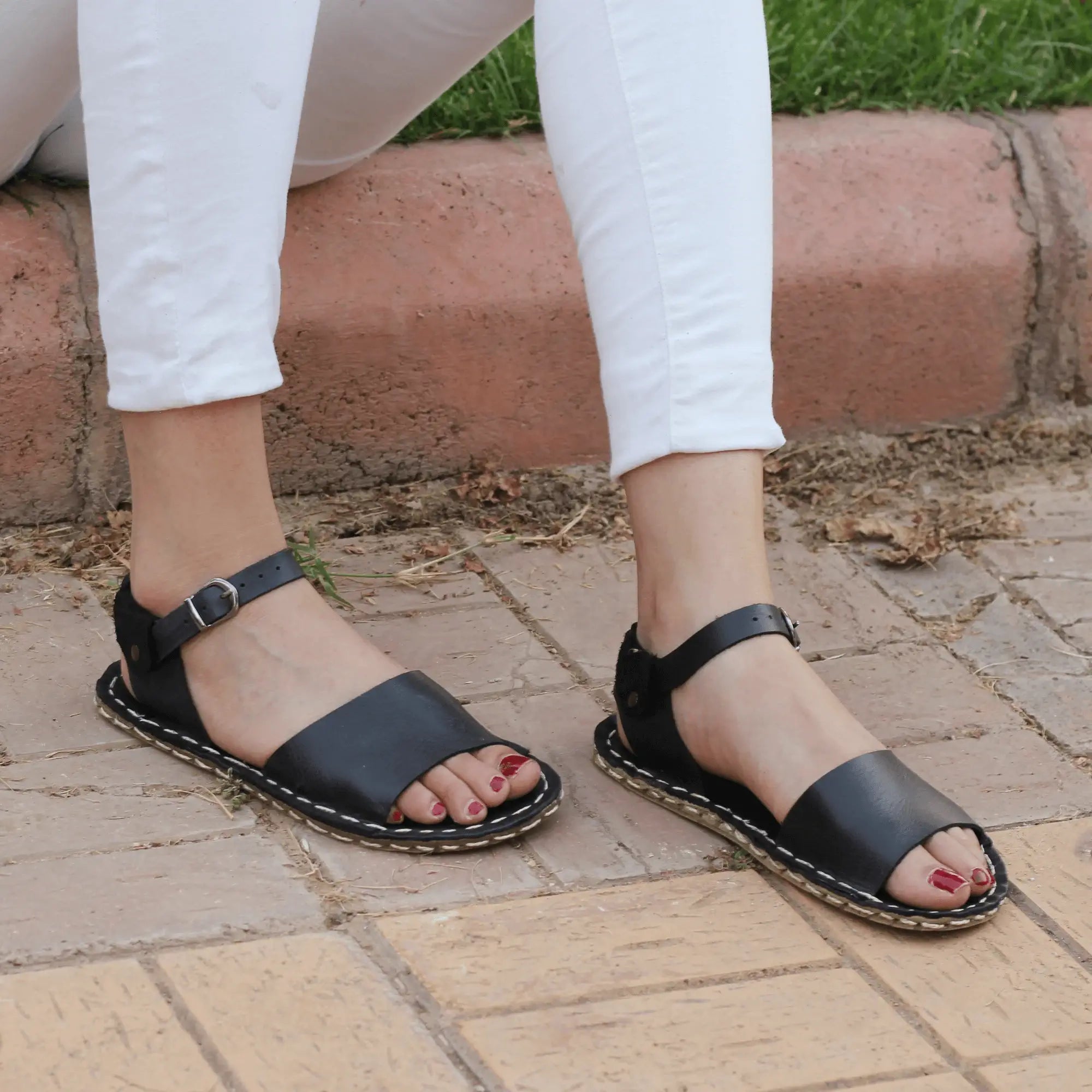
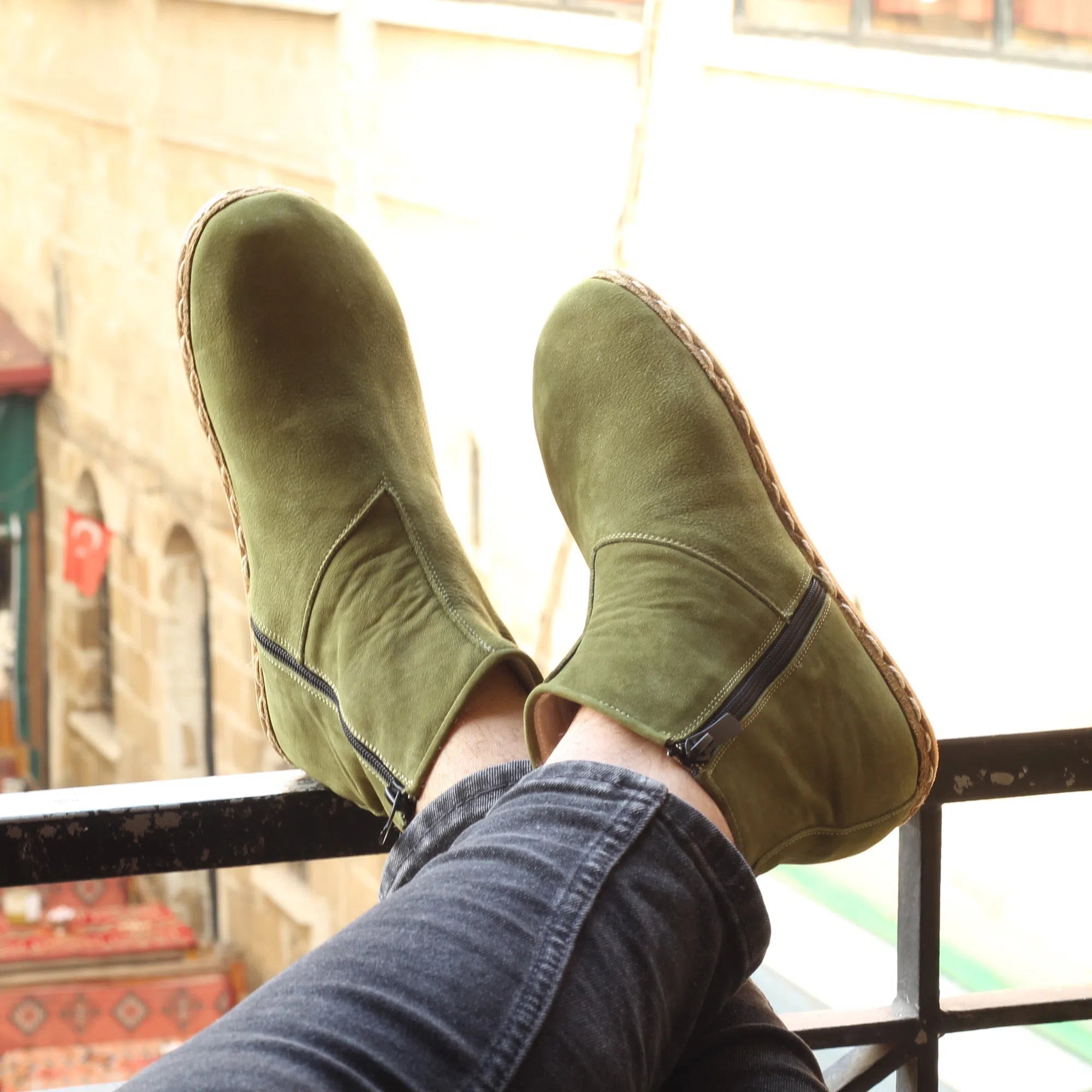
Hot, sweaty feet change the way you move. You tense up, your toes grip, and suddenly the shoe that looked good in the mirror feels like a trap by midday. That is exactly why breathable leather barefoot shoes matter. They do more than keep feet cooler - they support natural movement, reduce moisture buildup, and give your feet the room they were always meant to have.
Most shoes fail on both fronts. They are either breathable but flimsy and synthetic, or leather but stiff, padded, and shaped like a funnel. Your feet pay for that compromise. Cramped toes, overheated skin, and a disconnected stride become normal, even though none of it is natural.
What breathable leather barefoot shoes actually do
A well-made barefoot shoe starts with a simple idea: stop fighting the foot. Instead of forcing the toes into a narrow point and lifting the heel above the forefoot, barefoot construction lets the body stand and move in a more honest position. Add breathable leather to that design, and you get a shoe that not only respects foot shape but also handles heat and moisture in a more balanced way.
Breathable leather is different from the plastic-coated material used in many mainstream shoes. Real leather has a natural ability to regulate temperature while allowing some airflow and moisture transfer. It will not behave like open mesh, and that matters because many people assume breathability only means maximum ventilation. In reality, comfort often comes from balance. Leather can help feet stay cooler in heat, warmer in mild cold, and less damp during long wear.
That balance becomes even more valuable in barefoot footwear because minimalist shoes sit closer to the foot. Without thick foam, bulky liners, and synthetic barriers, the materials matter more. If the upper cannot breathe, you feel it fast.
Why leather can breathe better than people expect
Leather gets dismissed by people who have only worn heavily treated, mass-produced shoes. Those shoes are often lined with synthetic layers, stiffened with glue, and finished with coatings that trap heat. Naturally, they feel hot. But that is not the full story.
Good leather has pores. It adapts over time, softens with wear, and manages moisture far better than many petroleum-based materials. It does not mean every leather shoe is airy, and it does not mean leather beats mesh in every summer scenario. It means quality leather, used in a minimalist design, can create a far more comfortable environment than the average shopper expects.
This is especially true when the shoe avoids unnecessary bulk. Fewer layers, softer construction, and a foot-shaped design all help the leather do its job. When the upper can flex and the toes can spread, the foot works naturally instead of overheating inside a rigid shell.
Breathable leather barefoot shoes and foot health
Health begins with the feet, but conventional footwear rarely acts like it. Thick soles mute ground feedback. Raised heels shift posture forward. Tight toe boxes crowd the forefoot and limit the toe splay that helps with balance and stability. Add trapped heat and sweat, and the foot becomes even more irritated.
Breathable leather barefoot shoes address several of those problems at once. The wide toe box allows the toes to spread instead of overlapping or pressing together. The zero-drop platform helps keep the heel and forefoot level, which can support a more natural standing and walking posture. The flexible sole lets the foot bend and respond instead of riding on a stiff platform.
Breathability matters here more than people realize. Sweaty feet are not just uncomfortable. Constant moisture can increase friction, contribute to odor, and make skin feel raw by the end of the day. A shoe that manages moisture better can make natural movement easier to sustain because your foot is not battling the environment inside the shoe.
The trade-off: leather is not the same as mesh
There is a reason honest brands should say this plainly. If you want the absolute maximum airflow for intense summer running in extreme heat, lightweight mesh may feel cooler. That is the truth. But mesh often comes with trade-offs of its own, especially in mass-market barefoot shoes. It can feel less durable, less protective, and less refined. It can also lean heavily on synthetic construction that does not align with a more natural lifestyle.
Leather offers a different kind of comfort. It is breathable in a moderated, grounded way. It protects better, ages with character, and tends to mold to the foot over time. For everyday wear, travel, city walking, casual office use, and shoulder-season weather, many people find breathable leather to be the smarter long-term choice.
It depends on how you live. If you want one shoe that can move between comfort, style, and all-day wear without looking athletic or disposable, leather has a strong advantage.
What to look for in breathable leather barefoot shoes
Not every shoe that uses leather deserves to be called barefoot, and not every barefoot shoe built with leather will feel truly breathable. The details decide everything.
Start with shape. A real barefoot shoe should follow the foot instead of tapering aggressively at the toes. If the front looks narrow, the shoe is already working against you. Breathability means less when your toes are compressed.
Then look at the sole. Zero-drop construction keeps your body out of the artificial forward pitch caused by raised heels. A flexible sole matters too, because a barefoot shoe should move with you rather than forcing a fixed gait.
Material quality is another dividing line. Full-grain or naturally finished leather will generally perform better over time than heavily corrected leather covered in coatings. Soft leather uppers, leather linings, and fewer synthetic barriers can all help improve comfort.
Construction also plays a major role. Handmade footwear often has an advantage here because the maker is not trying to hide bad materials under thick padding. Better craftsmanship usually means fewer shortcuts, more attention to fit, and a shoe that feels alive instead of factory-stiff.
Style matters too - and that is not shallow
A lot of people delay switching to barefoot shoes because they do not want to look like they are wearing gym equipment to dinner. Fair enough. Many minimalist shoes have been designed as if function and style are enemies.
They are not. Breathable leather barefoot shoes can look sharp, relaxed, understated, or rugged depending on the silhouette. Leather brings visual depth that mesh rarely can. It works with denim, linen, trousers, and everyday basics without announcing itself as a niche wellness product.
That matters because the best shoe is the one you actually wear. If a pair supports natural movement but sits in the closet because it does not fit your life, the benefits stay theoretical. Style is part of real-world function.
Who benefits most from this kind of shoe
If your feet run hot, if you are tired of synthetic linings, or if you have felt squeezed by conventional footwear, this category makes a lot of sense. It is also a strong fit for people who care about posture, grounding, and a closer relationship with the way the body moves.
People transitioning from traditional shoes may need a short adjustment period. Barefoot footwear asks more of the foot and lower leg because it removes the artificial support many people have relied on for years. That is not a flaw. It is a reminder that natural movement is active, not passive. Start with shorter wear if needed, especially if you are used to thick cushioning and stiff soles.
For shoppers who want natural materials and artisan construction, this category goes even deeper. A handcrafted leather barefoot shoe feels personal in a way mass-market sneakers rarely do. It reflects a different value system - one that chooses freedom over restriction and quality over throwaway comfort.
Why this category keeps growing
More people are questioning what modern shoes have normalized. Narrow toe boxes, elevated heels, synthetic interiors, and bulky soles are not neutral design choices. They shape movement, posture, and comfort every day. Once people feel the difference of a wide toe box and flexible sole, it is hard to go back.
That is where brands like Nefes Shoes stand apart. The appeal is not only minimalist design. It is the combination of natural movement, all-leather craftsmanship, and a deeper connection to the earth beneath you. For many people, that blend of wellness and artistry feels more honest than another foam-heavy sneaker built to mask the problem it creates.
Breathable leather barefoot shoes are not a trend for people chasing novelty. They make sense for anyone who wants their footwear to work with the body instead of against it. Your feet do not need more confinement dressed up as support. They need space, breathability, and a design that respects what feet are built to do.
If your shoes leave you hot, cramped, and disconnected by the end of the day, listen to that signal. Comfort is not supposed to come from padding alone. Sometimes it starts with less shoe, better leather, and the freedom to move like yourself again.