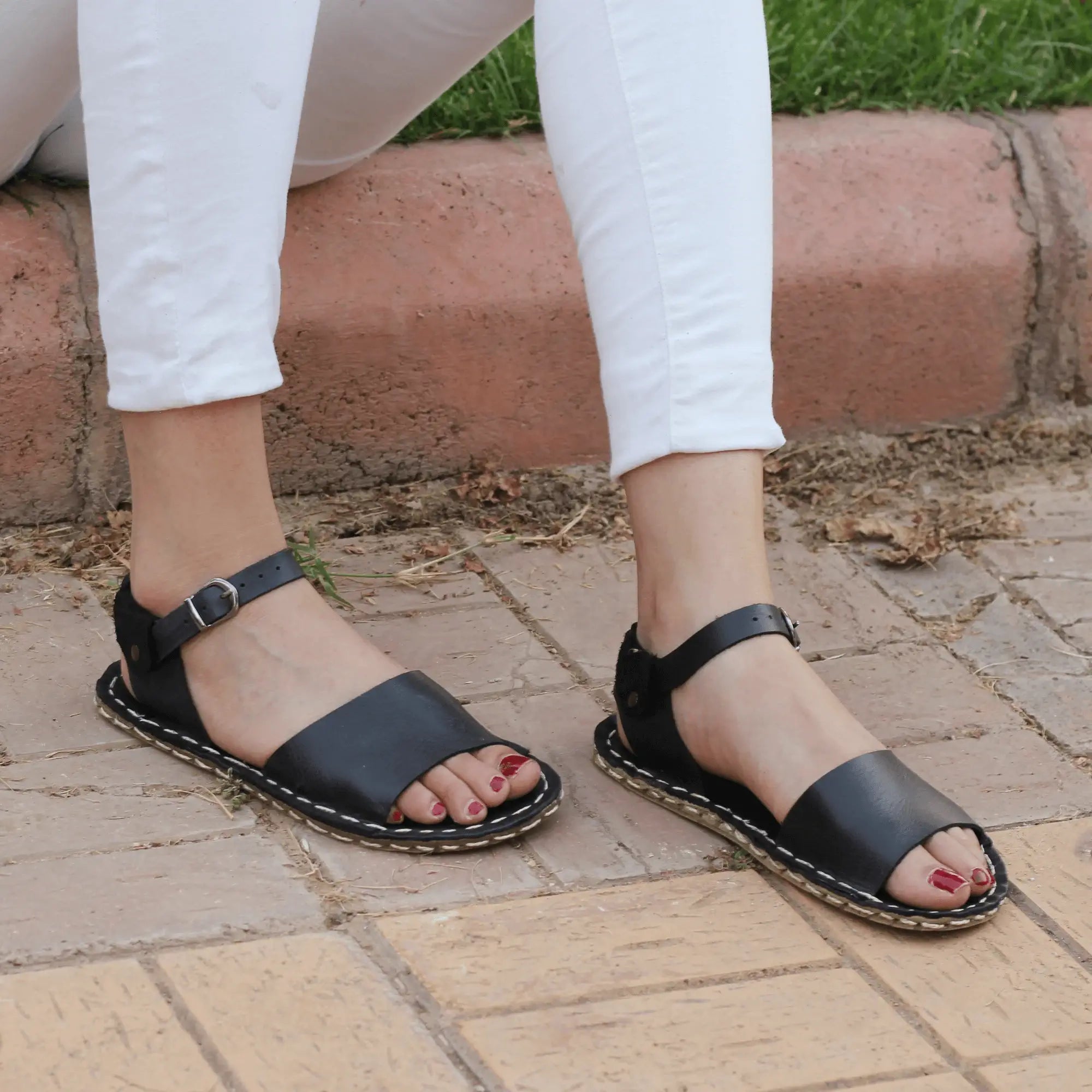
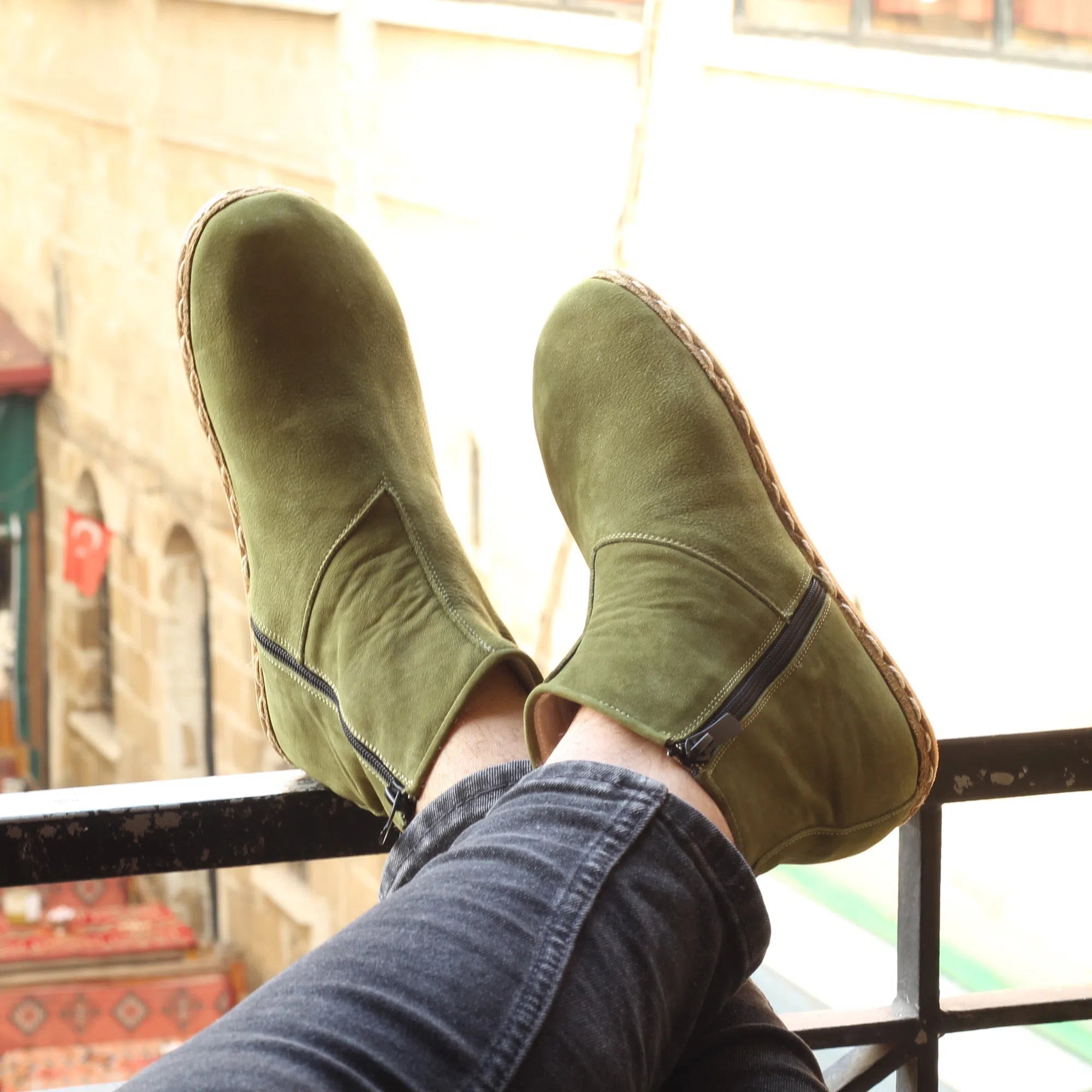
Most shoes ask your feet to shrink, stiffen, and behave. The best handmade barefoot shoes do the opposite. They let your toes spread, keep your posture closer to natural alignment, and replace plastic-heavy construction with materials that actually feel alive on the body.
That difference matters more than people think. Foot discomfort rarely starts as a dramatic problem. It usually builds quietly through narrow toe boxes, raised heels, sweaty synthetic linings, and soles so thick you stop feeling the ground beneath you. If you care about natural movement, long-term comfort, and footwear that respects the shape of the human foot, handmade barefoot shoes deserve a closer look.
What makes the best handmade barefoot shoes different?
Not every barefoot shoe earns the label. Some brands copy the look of minimalist footwear but keep the same old habits underneath - stiff materials, awkward shaping, and construction that treats the foot like something to be controlled.
The best handmade barefoot shoes follow a different logic. They start with a foot-shaped design, not a fashion last that squeezes the forefoot into a point. That means a wide toe box where your toes can spread naturally instead of stacking on top of each other. It also means zero-drop construction, where the heel and forefoot sit at the same level to support a more natural stance.
Handmade construction adds another layer. When a shoe is built by skilled hands rather than pushed through anonymous mass production, details tend to improve. Leather can be selected for softness, durability, and breathability. Stitching can be reinforced where the foot flexes most. The final shape often feels less rigid and more responsive from the first few wears.
For many people, there is also a deeper reason to choose handmade. It is not only about comfort. It is about rejecting the idea that footwear must be thick, synthetic, and over-engineered to be useful. A well-made barefoot shoe brings you closer to how walking is supposed to feel.
Why material choice matters more than marketing
A barefoot shoe can look promising on paper and still feel wrong in real life. Material choice is often the reason.
Synthetic uppers may be cheap and easy to scale, but they tend to trap heat and moisture. That can mean sweaty feet, lingering odor, and a general feeling of being sealed off. Natural leather behaves differently. Good leather softens with wear, breathes better, and adapts to the foot over time instead of fighting it.
The sole matters just as much. If you want a true barefoot experience, the sole should flex with the foot and allow you to sense the texture of the ground. Some handmade styles go a step further with natural leather soles, including buffalo leather, which offer a distinctive combination of durability, flexibility, and direct earth feel. That can be especially appealing to people interested in grounding and earthing, not just minimalist biomechanics.
This is where trade-offs come in. A very thin natural sole can create a more connected walking experience, but it may not be the right choice for every surface or every stage of transition. If you are coming from heavily cushioned shoes, your feet and lower legs may need time to adapt. Better foot function is the goal, but forcing the transition too fast can make the process harder than it needs to be.
How to judge quality in handmade barefoot shoes
If you are trying to separate genuinely good footwear from attractive marketing, focus on a few essentials.
First, look at shape. The front of the shoe should follow the natural outline of the foot rather than taper dramatically inward. If the shoe looks sleek because it narrows at the toes, that sleekness is probably costing you comfort and toe freedom.
Second, check flexibility. A barefoot shoe should bend where your foot bends. It should not feel like a board under the arch or a platform under the heel. Natural movement depends on that freedom.
Third, pay attention to upper materials and lining. Full leather construction tends to feel better over time than synthetic blends, especially for people who care about breathability and a more grounded, natural feel. Handmade leather shoes often age with character instead of simply wearing out.
Fourth, consider how the shoe is assembled. Visible, careful stitching and well-finished edges are often signs that the maker values longevity. Mass-market minimalist shoes can be light and functional, but handmade shoes often offer a level of tactile quality that factory output struggles to match.
Finally, ask whether the design serves your actual life. The best shoe for daily city wear may not be the same as the best option for travel, office use, or cold-weather walking. Barefoot principles stay the same, but the right expression of those principles depends on where and how you move.
Best handmade barefoot shoes for different needs
The phrase best is always personal. Someone recovering from years of cramped footwear may prioritize toe space above everything else. Someone else may care most about natural leather, all-day wearability, or grounding potential.
If style matters to you, and for many adults it does, handmade barefoot shoes have an advantage. They can deliver minimalist function without looking clinical or aggressively sporty. A handcrafted moccasin, leather sneaker, sandal, or boot can work with everyday wardrobes while still supporting healthier movement.
For warmer weather, a lightweight leather sandal or open design gives you more direct air flow and a freer feel. For cooler months, a soft leather boot with a flexible sole can preserve barefoot principles without forcing you into bulky winter footwear. Slippers and indoor shoes matter too. Many people spend enough time at home that supportive natural movement indoors can make a real difference.
This is one reason brands like Nefes Shoes stand out. When handmade barefoot footwear is offered across sandals, boots, slippers, sneakers, and moccasins, you do not have to choose between foot health and personal style. You can build a more natural relationship with movement across seasons, not just during workouts or weekend walks.
Handmade barefoot shoes and grounding
For some shoppers, barefoot footwear is mainly about alignment, mobility, and toe splay. For others, there is another layer - connection to the earth.
Grounding-focused shoes are built around the idea that what separates you from the ground matters. Thick synthetic soles create a barrier. Natural leather soles, especially when kept flexible and close to the foot, offer a different experience. Many wearers describe it as calmer, more direct, and more sensory. Whether you approach grounding from a wellness perspective, a lifestyle practice, or simple personal preference, handmade construction and natural materials often support that goal better than conventional footwear.
This is not a claim that one shoe solves every health issue. Bodies are more complex than that. But if your current shoes leave you feeling disconnected, compressed, and overheated, then choosing footwear that invites more natural contact and movement is a reasonable place to start.
Who should be careful when switching?
Barefoot shoes are often better for foot function, but better does not mean instant for everyone.
If you have spent years in cushioned running shoes, work boots with a raised heel, or pointed dress shoes, your feet may be deconditioned. Your calves may be tight. Your gait may have adapted to support you in ways that no longer make sense once you switch footwear. In that case, start gradually. Wear your barefoot shoes for shorter periods, pay attention to fatigue, and let your body rebuild strength over time.
People with existing foot pain, injuries, or complex mobility issues should be especially thoughtful. A handmade barefoot shoe can still be a strong choice, but the transition should respect your current condition. Natural movement works best when it is restored progressively, not rushed.
What the best pairs really offer
The best handmade barefoot shoes are not just flatter shoes with nicer branding. They offer space where most footwear restricts, flexibility where most footwear stiffens, and natural materials where most footwear relies on plastic and foam.
They also offer something less measurable but easy to feel once you experience it. You walk differently. You stand differently. Your feet stop feeling like they are being managed by a product and start feeling like part of your body again.
That is why this category keeps growing among people who care about wellness, posture, breathability, craftsmanship, and personal style. They are tired of being told that discomfort is normal if a shoe looks polished enough. They want shoes that respect human anatomy and still look good outside the gym.
If you are searching for the best handmade barefoot shoes, look past trend language and pay attention to the basics - foot-shaped design, zero-drop balance, flexible construction, real leather, and craftsmanship you can feel with every step. Your feet know the difference quickly, and once they do, it is hard to go back to shoes that ask them to be less than natural.
Choose the pair that gives your feet room, your stride honesty, and your body a better conversation with the ground.