Your feet are not supposed to be stiff, squeezed, and lifted off balance all day. If your toes feel crowded, your arches feel tired, or your posture seems to fight you by afternoon, a natural foot alignment guide can help you look at the real problem: the way modern shoes reshape the body from the ground up.
Alignment is not just about standing up straight. It starts where you meet the earth. When the heel is raised, the toe box is narrow, and the sole is overly structured, the foot stops doing its job. Toes cannot spread. The arch cannot respond naturally. Weight shifts forward. The body compensates at the ankles, knees, hips, and spine.
What natural foot alignment really means
Natural foot alignment is not a cosmetic idea. It is functional. A well-aligned foot can spread, stabilize, sense the ground, and adapt to movement without being forced into a rigid shape.
That usually means your weight is distributed across the heel, the base of the big toe, and the base of the little toe. Your toes are relaxed rather than gripping. Your ankle is stacked over your foot instead of collapsing inward or rolling outward. The arch is active, not flattened by weakness and not frozen by hard support.
This matters because the foot is your foundation. When that foundation is distorted, the rest of the body works harder. People often chase knee pain, hip tightness, low back tension, and even balance issues without looking closely at the shoes and habits affecting foot mechanics every day.
Why conventional shoes often work against alignment
Most people do not develop poor foot mechanics out of nowhere. They spend years in shoes that push the foot away from its natural shape.
A narrow toe box compresses the forefoot and limits toe splay. That sounds small, but it changes stability. Toes are part of your balance system. When they are pressed together, the foot loses a basic tool for staying grounded.
A raised heel shifts pressure forward. Even a modest heel changes posture. The calves shorten, the pelvis adjusts, and the body learns to carry weight in a less natural pattern. Add thick cushioning and stiff soles, and the foot also loses sensory feedback. You cannot respond well to the ground if you barely feel it.
That does not mean every person should throw away every pair of conventional shoes overnight. If your feet are deconditioned, a sudden switch can create soreness. But it does mean many common footwear features are normal only because they are common, not because they are healthy.
A practical natural foot alignment guide for daily life
The best natural foot alignment guide is not complicated. It is about restoring what the foot was built to do.
Start by paying attention to how you stand. Many people dump weight into their heels or collapse into the inner arch. Others grip the floor with their toes without realizing it. Try standing barefoot on a firm surface and feel three contact points: heel, base of big toe, base of little toe. Let the toes rest and spread. You are not forcing the arch upward. You are allowing the foot to organize itself.
Then watch your knees. If they cave inward, the foot is often rolling in as well. If they lock back, you may be hanging on joints instead of using muscles. A soft, stacked stance usually feels more stable than a rigid one.
Walking tells you even more. A naturally aligned foot lands with control, rolls through smoothly, and pushes off through the toes without twisting. Heavy heel striking, inward ankle collapse, and cramped toe movement are signs that something is off. Sometimes the issue is weakness. Often, it is the combination of weakness and shoes that prevent better movement.
How to rebuild foot function without forcing it
The foot gets stronger through use, not through constant bracing. That said, rebuilding function works best when you respect where your body is today.
Spend more time barefoot at home if your environment allows it. Firm indoor surfaces give the foot useful feedback. Soft, overly padded surfaces do less. Short periods are enough at first if you are not used to it.
Add simple foot exercises that restore control rather than just stretch everything. Try lifting the big toe while keeping the others down, then reverse it. Practice spreading the toes gently. Rise onto the ball of the foot slowly and lower with control. These small movements help wake up muscles that often go quiet inside rigid shoes.
Calf mobility also matters. Tight calves can pull the mechanics of the foot and ankle out of balance. A gentle calf stretch or slow ankle mobility work can make natural alignment easier, especially if you have spent years in raised heels.
Patience matters here. If your feet have been constrained for years, they will not change in a week. Some people feel relief quickly when their toes finally have room. Others go through a transition where long-ignored tissues start working again. Mild fatigue can be normal. Sharp pain is not.
Footwear and the natural foot alignment guide
If you want better alignment, your shoes should stop fighting your anatomy.
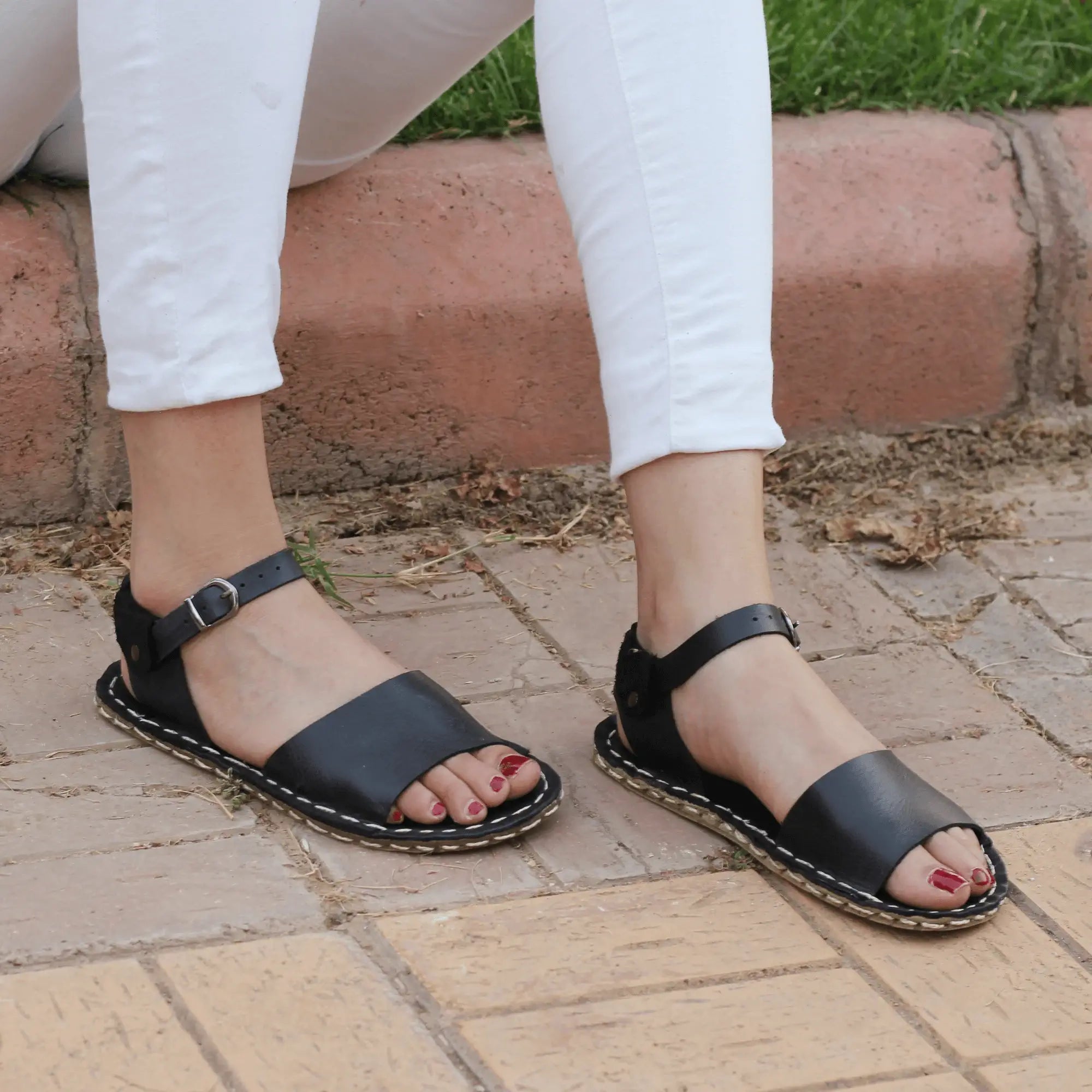
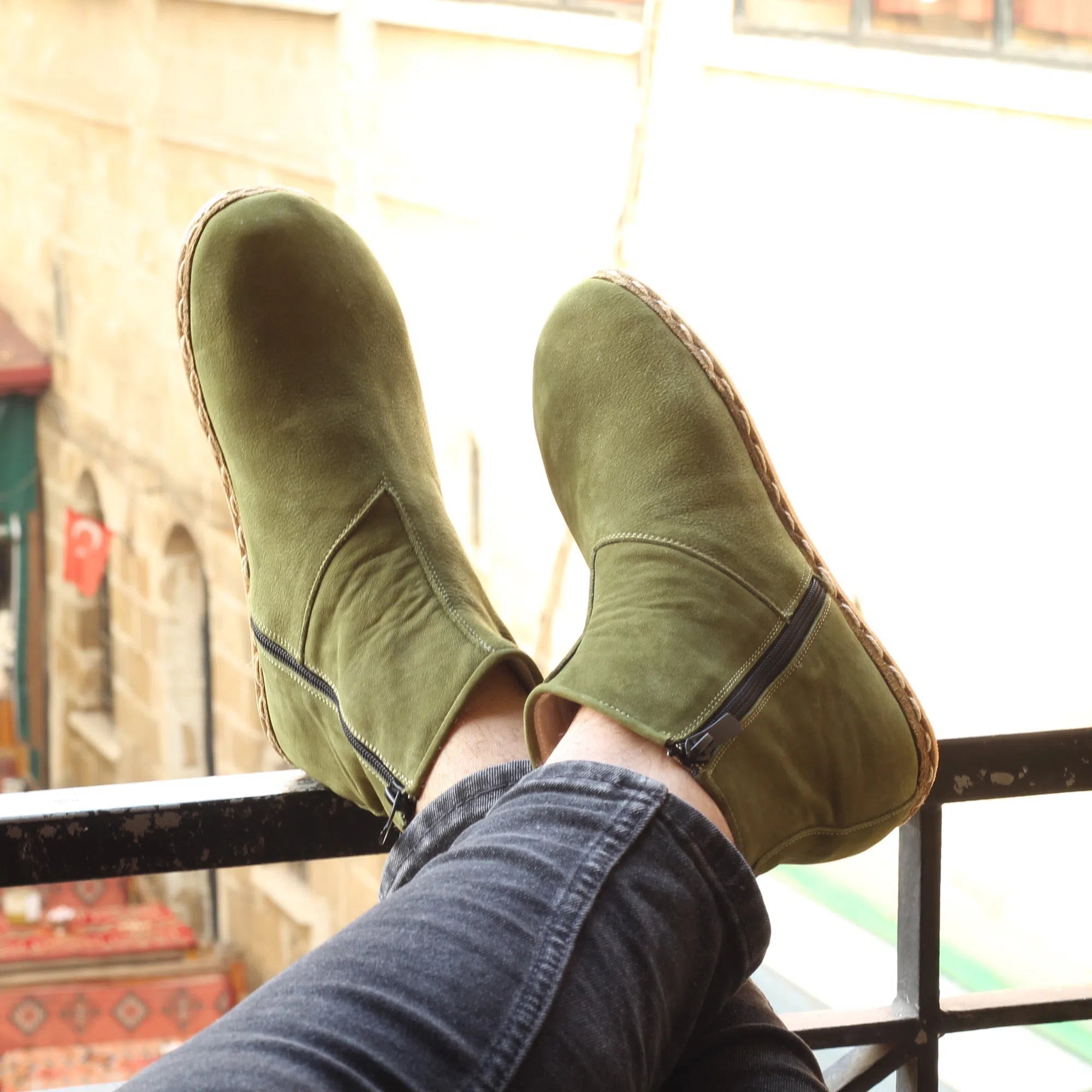
A foot-shaped toe box gives the toes space to spread naturally. That improves balance, comfort, and pressure distribution. Zero-drop construction keeps the heel and forefoot level, which supports a more natural posture from the ground up. A flexible sole allows the foot to bend and respond instead of acting like a cast.
Material matters too. Natural leather tends to breathe better and mold to the foot over time in a way that many synthetic materials do not. For people who care about both foot health and craftsmanship, this is not a minor detail. It affects comfort, moisture, and the overall feel of the shoe through daily wear.
The trade-off is that minimalist footwear asks more of your body. That is the point, but it also means transition matters. If you have relied on heavy arch support, thick cushioning, or elevated heels for years, ease in. Start with shorter walks. Let the feet adapt. Alignment improves through consistency, not shock.
Signs your feet are moving toward better alignment
You do not need a lab test to notice progress. Usually, the first sign is comfort that feels different from soft cushioning. It is a more stable kind of comfort. Your foot feels engaged rather than propped up.
You may also notice that your toes relax more easily, your balance improves when standing on one foot, or your ankles feel less wobbly. Some people find their knees track more cleanly. Others notice less fatigue in the lower back because the body is no longer constantly compensating for a poor base.
There can be visual changes too. Toes may begin to separate more naturally over time. The forefoot may look less pinched. But function matters more than appearance. A foot that can sense, spread, and stabilize is doing its job.
Common mistakes in natural foot alignment
One mistake is trying to hold the foot in a perfect position all day. Natural alignment is dynamic. Your foot should adapt as you move, not freeze in place.
Another is assuming arch support always fixes an arch problem. In some cases, temporary support can reduce strain. In others, constant support keeps the foot from regaining strength. It depends on your history, your mobility, and how your body responds.
A third mistake is changing too much too fast. Walking five miles in minimalist shoes on day one is not a badge of honor. It is a good way to overload tissues that are finally being asked to work.
The bigger picture behind a natural foot alignment guide
When people talk about wellness, they often skip the feet and jump straight to posture, recovery, or exercise. But health begins with the feet. They shape how you stand, how you move, and how your body absorbs the force of everyday life.
That is why natural footwear matters. It is not just a style choice, and it is not a niche obsession. It is a decision about whether your shoes will restrict the body or let it function the way it was designed to. Brands like Nefes Shoes build around that principle with wide toe boxes, zero-drop design, natural materials, and handmade construction that respects the real shape of the foot.
If you want your body to move with more freedom, start lower. Notice your stance. Notice your shoes. Give your toes room, let your feet feel the ground, and allow strength to return where modern footwear has taken it away. Small changes at the foundation can change much more than your step.