The next wave of footwear is not about more foam, more structure, or more technology stacked between your body and the ground. Barefoot shoe trends 2026 are moving in the opposite direction - toward shoes that let feet spread, flex, breathe, and work the way they were meant to. That shift is not a niche wellness idea anymore. It is showing up in daily wear, premium materials, and more refined design choices that finally treat natural movement as a standard, not a compromise.
What makes 2026 different is that the conversation is maturing. A few years ago, most people found barefoot shoes through pain, posture issues, or curiosity about foot strength. Now the market is broadening. People still want relief from cramped toe boxes and raised heels, but they also want shoes that look good with real life clothes, feel good after long days, and align with a more natural way of living. That combination is shaping the strongest trends ahead.
Barefoot shoe trends 2026 are becoming more wearable
For years, one of the biggest objections to minimalist footwear was simple: many styles looked too sporty, too strange, or too stripped down for everyday use. In 2026, that gap keeps closing. The most relevant barefoot designs are becoming cleaner, more versatile, and easier to wear beyond the gym or trail.
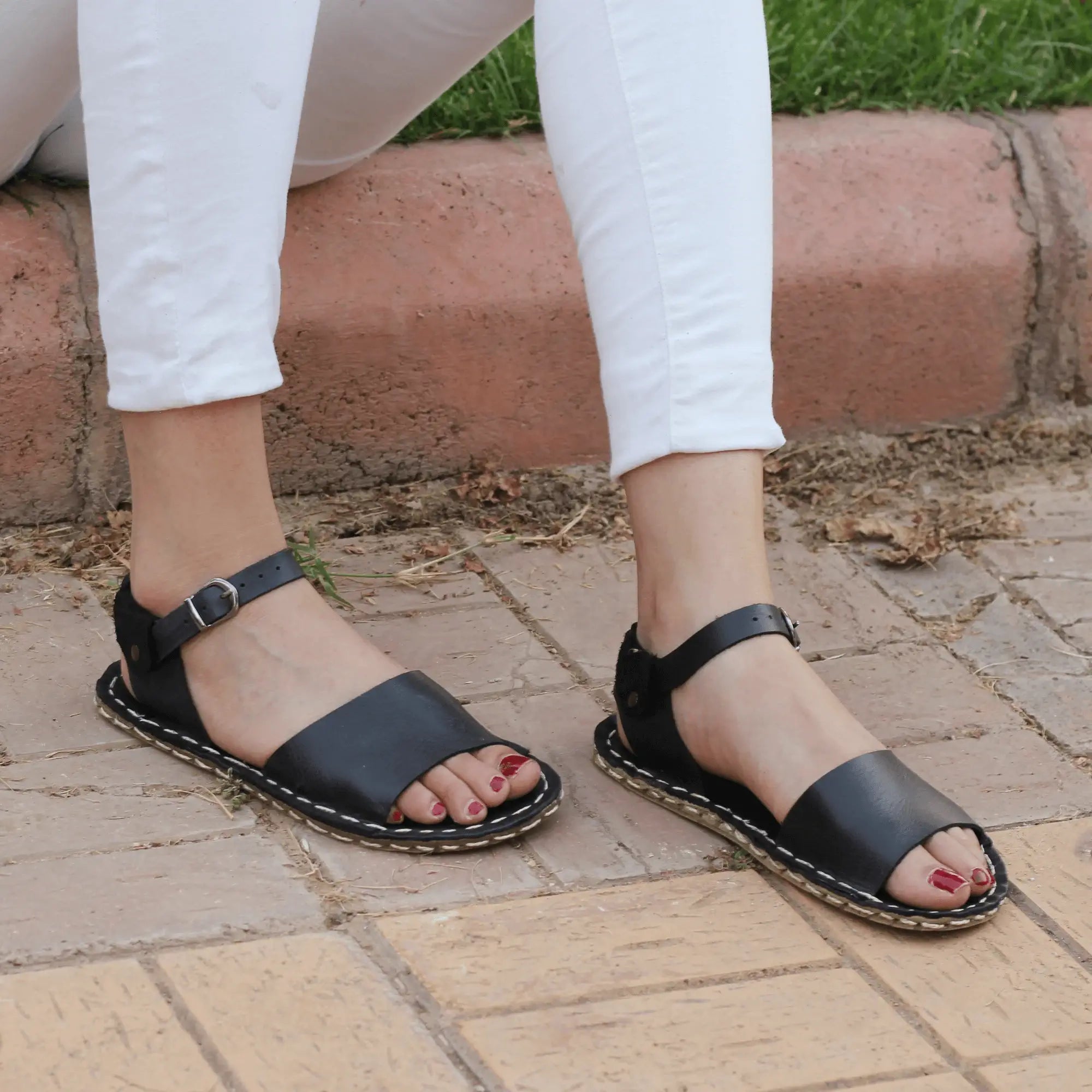
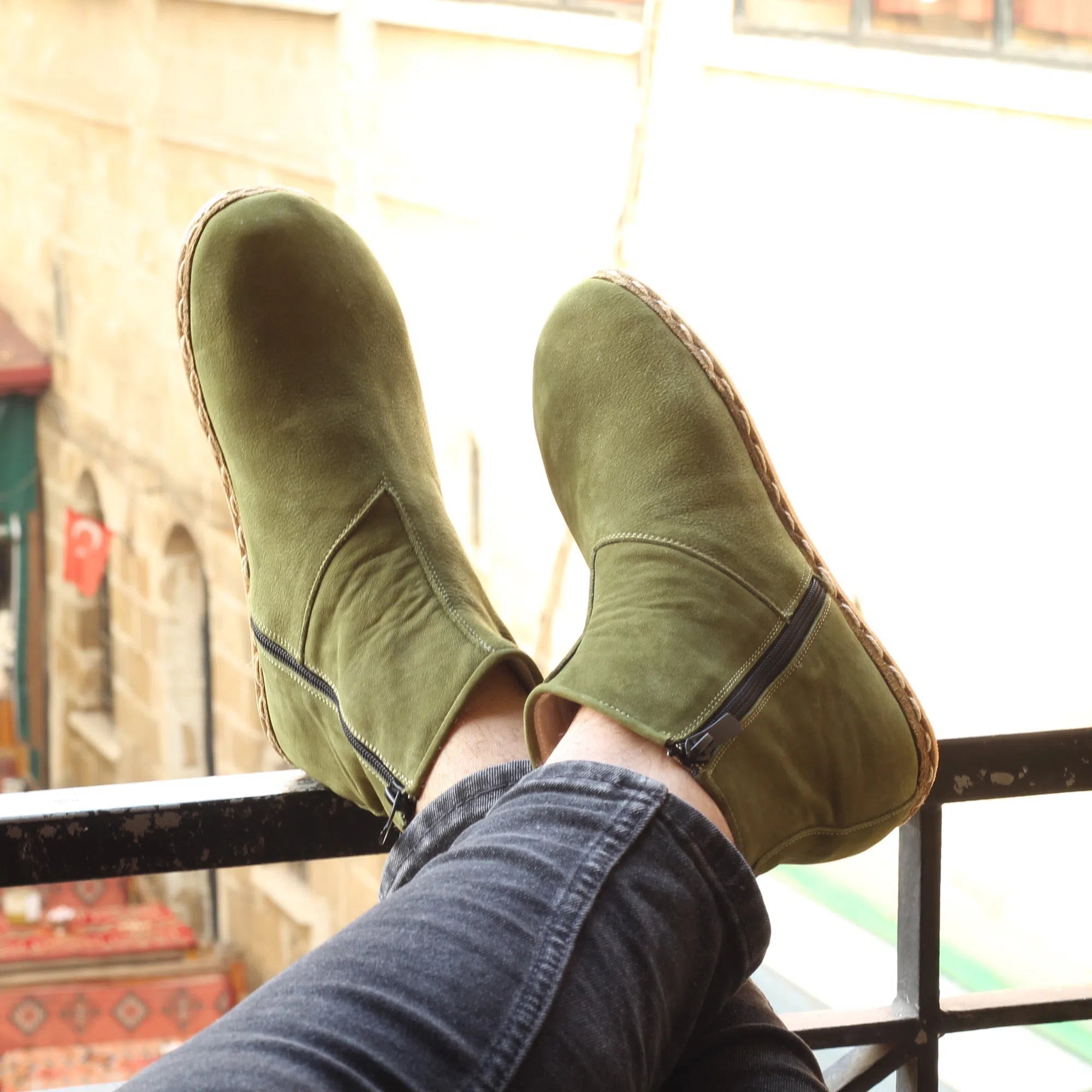
Expect to see more low-profile sneakers, softer moccasin-inspired silhouettes, sleeker ankle boots, and sandals that feel intentional rather than purely functional. This matters because people do not want a separate philosophy for their feet and their wardrobe. They want one pair they can wear to work, on errands, while traveling, or out to dinner without feeling underdressed or overly technical.
The brands that will stand out are the ones that understand style is not vanity. It is wear frequency. If a shoe supports natural foot function but lives in the closet because it looks awkward, it fails in the real world.
Natural materials are no longer a side note
Another clear shift in barefoot shoe trends 2026 is a stronger demand for material honesty. Consumers are asking harder questions about what touches the skin, what traps heat, and what ages well over time. That is pushing leather, natural fibers, and less synthetic-heavy construction back into focus.
This is not just about aesthetics. Natural materials tend to breathe better, manage moisture more comfortably, and soften with wear in a way that feels personal. For many buyers, especially those already interested in holistic wellness, a minimalist shape made from plastic-heavy materials feels like a contradiction. If the goal is freedom for the foot, the material has to support that experience too.
There is a trade-off, of course. Natural materials can require more care, and premium leather footwear usually costs more than synthetic alternatives. But many shoppers are moving away from disposable shoes anyway. They would rather invest in a pair that feels better, wears in with character, and reflects craftsmanship instead of mass production.
Grounding design is gaining real traction
One of the most distinctive developments in 2026 is the growing overlap between barefoot footwear and grounding interest. More consumers are not only looking for zero-drop soles and wide toe boxes. They are also drawn to the idea that shoes should reduce the barrier between the body and the earth.
That does not mean every buyer starts with an earthing practice. Some are simply tired of thick, synthetic soles that leave them feeling disconnected and overheated. Others are actively seeking products that support a more grounded lifestyle, physically and mentally. Either way, shoes that emphasize earth connection, natural sole materials, and a closer sensory relationship with the ground are becoming more relevant.
This is where craftsmanship matters. A grounding story only works when the construction feels credible. People can tell the difference between a trend label slapped onto a product and a shoe built with intention. Handmade leather styles with flexible construction and natural sole components speak more convincingly to that demand than factory-made copies trying to borrow the language.
Barefoot shoe trends 2026 favor foot-shaped design over minimal branding
The strongest barefoot brands in 2026 will not win by making the loudest claims. They will win by getting the shape right. Consumers are becoming more educated, and that changes what they notice first. They are paying attention to whether the toe box actually allows splay, whether the sole truly bends with the foot, and whether the heel sits flat instead of forcing the body forward.
That means the old habit of taking a conventional shoe and making it look slightly more relaxed will not cut it. A genuinely foot-shaped design is becoming the expectation. Once someone experiences the difference between cramped footwear and a wide, zero-drop, flexible shoe, it is hard to go back.
There is also a deeper shift here. People are starting to understand that comfort is not the same as cushioning. A shoe can feel soft for ten minutes and still interfere with posture, balance, and natural gait. By contrast, a well-made barefoot shoe may feel simpler at first, but over time it often supports a more stable and honest kind of comfort.
Fashion is catching up to foot health
This is where the market gets interesting. Barefoot footwear used to sit in a separate category, almost outside fashion. In 2026, that line keeps fading. More shoppers want shoes that support alignment and movement without looking clinical or overly outdoorsy.
That opens the door for richer textures, better colors, more polished finishes, and silhouettes that pair well with denim, linen, tailored basics, or relaxed everyday layers. Handmade leather is especially well positioned here because it naturally bridges health and style. It carries visual character while still offering the softness and flexibility people want from minimalist footwear.
The challenge is balance. If a brand chases fashion too aggressively, it may narrow the toe box, stiffen the sole, or add unnecessary structure. Then the shoe becomes conventional again, just with wellness language attached. The best designs in 2026 will resist that pressure. They will prove that foot freedom and strong style do not need to compete.
Seasonless versatility will matter more than trend cycles
Another important shift is that consumers want fewer, better shoes. They are becoming more selective. Instead of buying multiple cheap pairs for specific occasions, many are looking for versatile footwear that works across seasons and settings.
That favors barefoot boots, simple leather sneakers, transitional slip-ons, and sandals with enough structure for daily use. It also favors timeless design over novelty. A handcrafted shoe with durable materials and a classic shape fits this moment far better than something flashy that feels outdated in six months.
This is especially true for direct-to-consumer brands serving buyers who care about both wellness and value. Those shoppers are not only comparing price tags. They are asking whether a shoe deserves space in their routine. Can they walk in it for hours? Does it help with heat and sweat? Does it support natural toe movement? Does it still look good after regular wear? Those are the questions shaping real demand.
Education is becoming part of the product
The barefoot customer in 2026 is smarter than the barefoot customer in 2022. They are reading about toe splay, learning about gait, and connecting footwear choices to back pain, stability, and posture. That means brands have to do more than sell a look. They have to explain why the design works.
This benefits brands with a clear point of view. If you believe narrow shoes distort the foot, say it plainly. If you believe raised heels throw off alignment, explain the chain reaction. If you use natural leather because breathability and feel matter, make that case clearly. Strong education builds trust because it gives people a reason to choose differently.
It also helps set expectations. Barefoot shoes are not magic, and they are not one-size-fits-all. Some people need a transition period. Others may prefer more flexibility in casual shoes and slightly more protection in certain outdoor settings. Honest guidance is part of what makes a brand credible.
What shoppers should watch for in 2026
As the category grows, marketing will get louder. That is inevitable. More brands will use words like barefoot, grounding, minimalist, and natural because they know those terms sell. But not every shoe will deliver the real benefits behind the language.
The details matter: a true wide toe box, zero-drop construction, flexible soles, breathable materials, and craftsmanship that supports long-term wear instead of quick trend turnover. For shoppers, the smartest move is to look past slogans and examine how the shoe is actually built.
That is also why artisanal brands may have an edge. Handmade construction often shows a level of intention that mass-market footwear struggles to match. When a shoe is shaped around natural movement rather than factory standardization, you can usually feel it from the first steps.
Nefes Shoes sits in a strong position here because the market is moving toward exactly what thoughtful buyers now want: natural movement, leather craftsmanship, and a closer relationship between the foot and the earth.
The most important trend in 2026 is not a color, a silhouette, or a seasonal drop. It is the rejection of the old idea that shoes should control the foot. More people are choosing footwear that lets the body do what it already knows how to do. Once that clicks, the search changes. You stop asking what is fashionable enough to wear. You start asking what kind of shoe actually respects your feet.