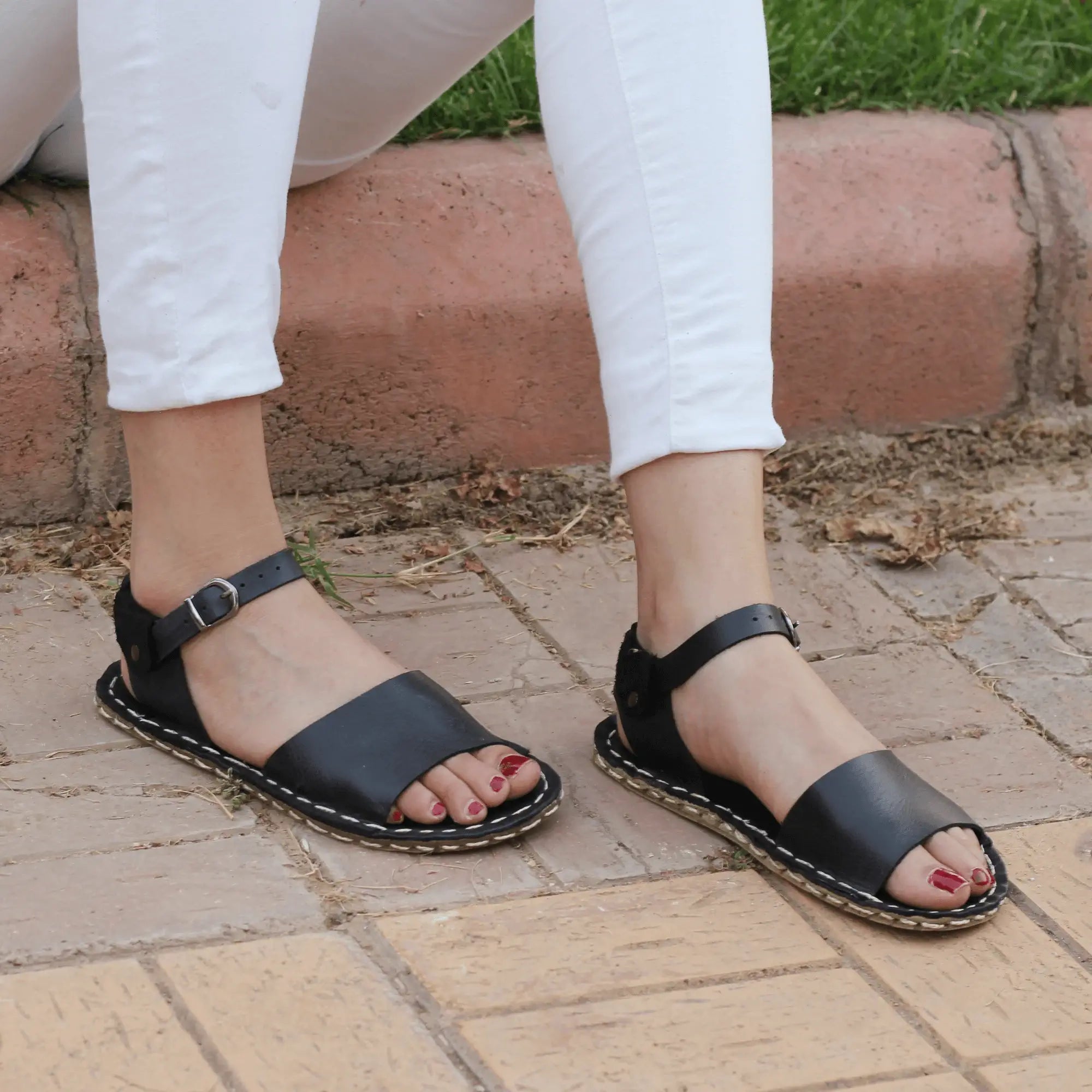
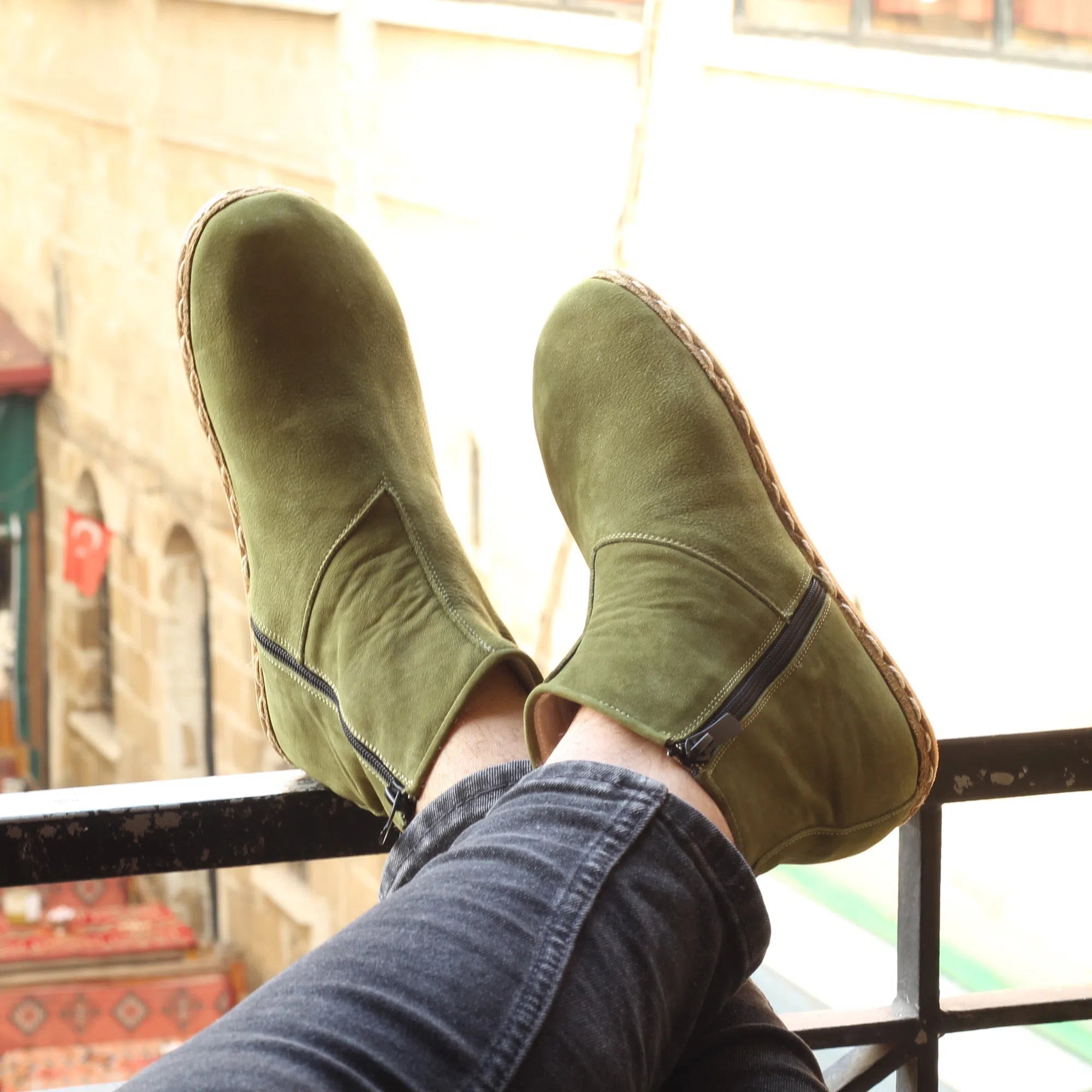
Most shoes cut you off twice - once from the ground, and again from your own natural movement. Thick rubber soles, raised heels, narrow toe boxes, and synthetic materials do more than change how a shoe feels. They change how your body stands, walks, and absorbs the world underfoot. That is why an earthing shoes guide for beginners has to start with a simple truth: footwear can either separate you from nature or help restore that connection.
Earthing shoes are built for people who want more than cushioning and trend-driven design. They are for people who are tired of stiff soles, cramped toes, sweaty synthetic linings, and the feeling that modern footwear solved one problem by creating five more. If you are new to grounding or minimalist footwear, the goal is not to overcomplicate it. You just need to understand what earthing shoes do, what they do not do, and how to choose a pair your body will actually enjoy wearing.
What earthing shoes actually are
Earthing shoes are designed to support contact with the earth while allowing the foot to move more naturally than conventional footwear. In most cases, that means a minimalist structure, a flat sole with no heel lift, flexible construction, and materials that do not create the same insulated barrier you get from standard athletic shoes.
The grounding idea is simple. Direct contact with the earth has become rare in daily life, especially when most people spend their days on concrete, floors, and heavily insulated soles. Earthing footwear is meant to reduce that barrier. But for beginners, it helps to think about these shoes in a practical way too. They are not magic. They are a return to design principles your feet were built for - balance, spread, flexibility, and sensory feedback.
That matters because your feet are not supposed to function like padded blocks. They are adaptive, strong, and highly responsive. When shoes restrict toe splay or push the heel above the forefoot, the effect travels upward into posture, gait, and comfort.
Earthing shoes guide for beginners - what to expect
If you have spent years in thick, cushioned shoes, earthing shoes will feel different right away. Usually that difference shows up in three places: under the arch, across the toes, and through the calves.
First, you may notice the ground more. That is the point. A thinner, more flexible sole gives you better sensory awareness and often encourages a lighter step. Second, your toes may feel strangely free in a wider toe box. Many people do not realize how compressed their feet have been until that pressure is gone. Third, if you are coming from shoes with a raised heel, your calves and feet may need time to adapt to a zero-drop shape.
This is where beginners sometimes get it wrong. They buy natural footwear, wear it all day on day one, and then decide the shoes are the problem. Usually the issue is not the shoe. It is that the body is adjusting to a more honest position.
A gradual transition tends to work better. Start with short walks, everyday errands, or a few hours of wear at home and outside. Let your feet wake up instead of forcing them into a sudden overhaul.
What to look for in your first pair
Not every shoe marketed as grounding or minimalist is built well. Some use the language of natural movement while keeping the same restrictive features people are trying to escape.
The first thing to look for is a truly wide toe box. Your toes should be able to spread naturally, not taper into a pointed shape. This is not just about comfort. Toe splay helps with stability, balance, and the way the foot loads during walking.
Next, look for a zero-drop sole. That means the heel and forefoot sit at the same height. Raised heels, even subtle ones, can shift your posture forward and change how force moves through the ankles, knees, hips, and lower back.
Flexibility matters too. A shoe should bend with your foot rather than forcing your foot to work around a rigid platform. If the sole is so stiff that your foot cannot articulate naturally, the design is fighting your anatomy.
Material choice is another big one. Natural leather tends to breathe better, mold to the foot over time, and avoid the plasticky feel of synthetic shoes. For people interested in earthing, natural materials are often part of the appeal because they align with the broader idea of less interference and more honest construction.
Finally, pay attention to how the shoe is made. Handmade footwear often reflects a different philosophy than mass-produced sneakers. Instead of piling on foam, glue, and synthetic layers, artisanal construction tends to focus on shape, feel, and material integrity. That difference is easy to feel when you wear the shoes long enough.
The trade-offs beginners should know
Earthing shoes are not designed to mimic the sensation of a heavily cushioned running shoe. If that is what you want, this category may feel too raw at first. More ground feel can be deeply satisfying, but it also means less padding between your foot and the surface below.
That is not a flaw. It is a choice. Still, beginners should know that some surfaces will feel harsher until the feet adapt. Long days on unforgiving pavement may require a slower transition than casual neighborhood walking or daily wear.
Fit can also feel different from standard shoes. A roomy toe box is healthy, but if you are used to a tight, locked-in forefoot, natural fit may initially seem unusual. Give yourself time to distinguish unfamiliar from uncomfortable.
Weather is another factor. Breathable leather and minimalist builds can feel excellent in many conditions, but your lifestyle matters. Someone walking city blocks every day has different needs than someone wearing grounding shoes for errands, travel, or casual office use. The right pair depends on how and where you plan to wear them.
How to transition without making your feet angry
The smartest way to begin is with consistency, not intensity. Wear your earthing shoes for short, repeatable periods. Walk at a relaxed pace. Pay attention to how your arches, calves, and Achilles feel the next day.
If your feet have been confined by conventional footwear for years, they may need time to regain strength and mobility. That is normal. Think of it less like breaking in a shoe and more like reintroducing your body to movement it was designed for.
It also helps to resist the urge to overcorrect. You do not need to force a dramatic barefoot-style stride. Just walk naturally, stay relaxed, and let the shoe do less so your foot can do more.
If discomfort shows up, dial back the duration rather than quitting altogether. Mild muscle fatigue can happen during the transition. Sharp pain is a sign to pause and reassess fit, usage, or pace.
Who earthing shoes tend to help most
People drawn to earthing shoes often share the same frustrations. Their feet feel trapped in modern footwear. Their toes are squeezed. Their shoes make them sweat. Their posture feels off. They want footwear that supports natural alignment without looking orthopedic or bland.
Earthing shoes can be especially appealing if you care about body awareness, natural materials, and everyday comfort that does not come from adding more foam. They also make sense for people who want a closer relationship with the ground but still need the protection and style of a real shoe.
That blend matters. A well-made earthing shoe should not force you to choose between wellness and appearance. It should support natural movement while still feeling refined enough for daily life. That is where brands like Nefes Shoes stand apart - they treat grounding and craftsmanship as partners, not opposing ideas.
A beginner mindset that actually works
The best way to approach earthing footwear is with curiosity, not hype. Pay attention to what your feet have been missing. Notice how your balance changes when your toes are allowed to spread. Notice how different walking feels when your heel is no longer propped up.
There is no need to turn the experience into a purity test. You do not have to throw away every conventional shoe overnight. But once your feet remember what freedom feels like, it becomes much harder to tolerate shoes that compress, lift, and numb them.
That is the real value of starting with earthing shoes. You begin by looking for a different kind of footwear, and end up learning what your body wanted all along. Choose a pair that respects the shape of your foot, give yourself time to adapt, and let the ground teach you the rest.