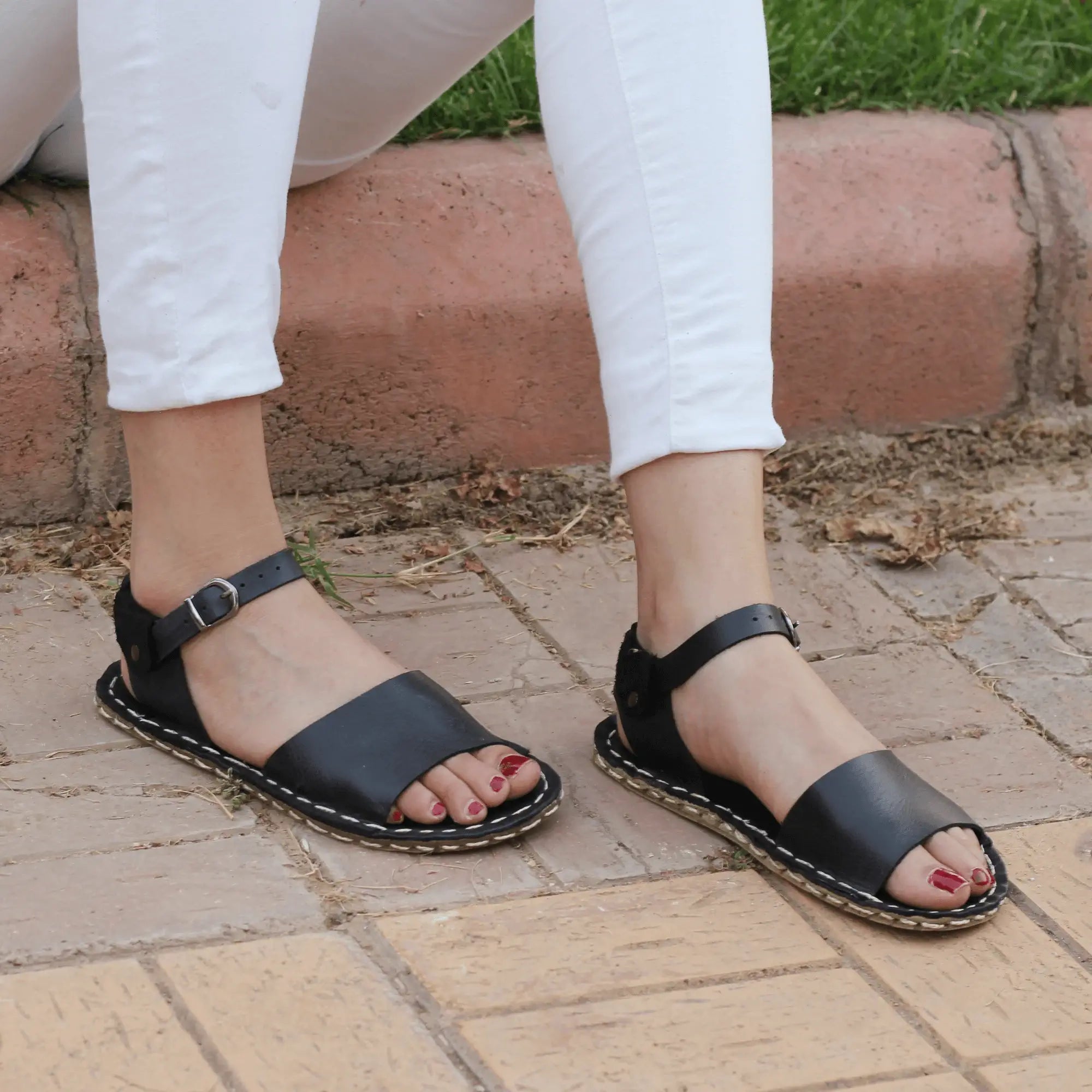
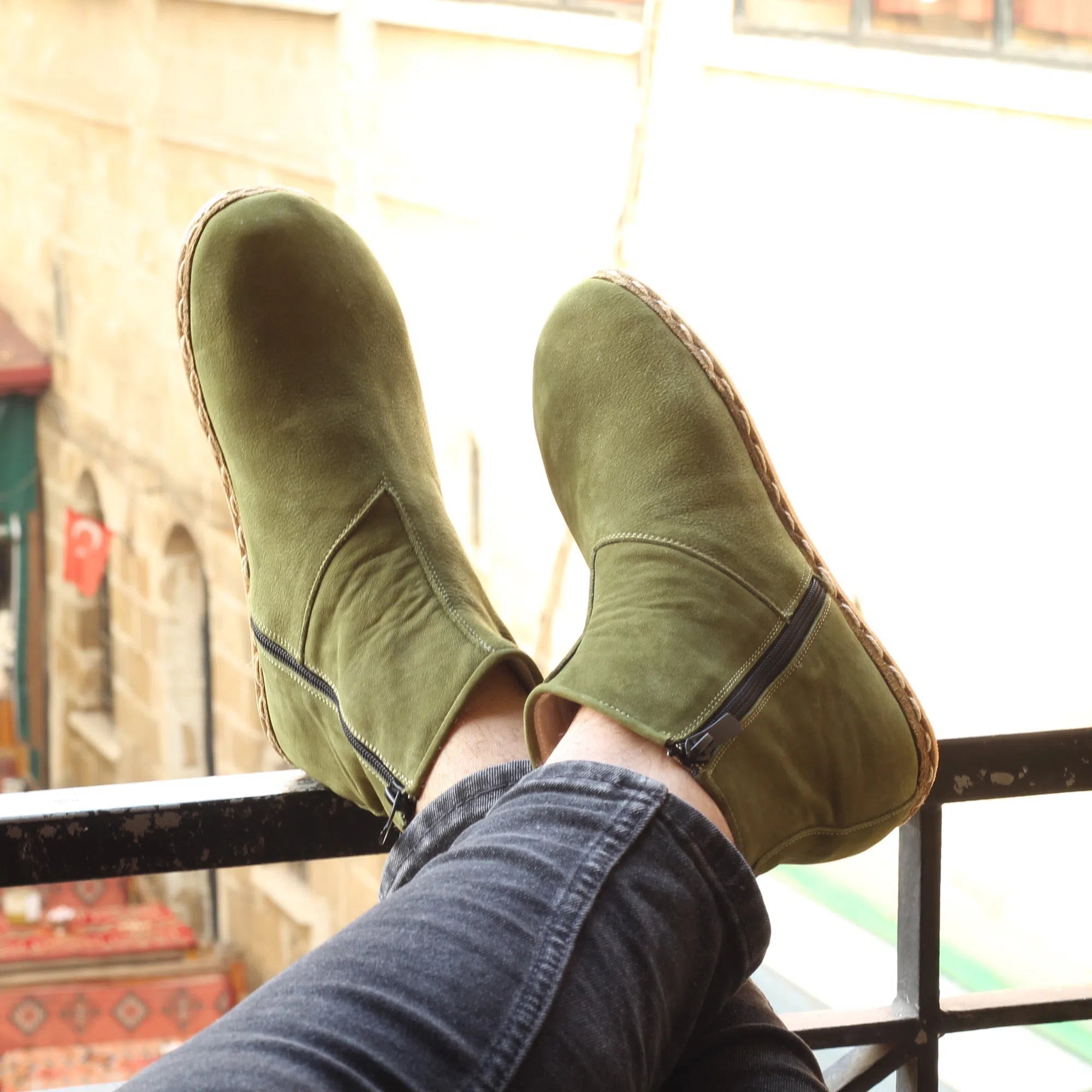
Your heels do not need a built-in platform to walk well. That idea became normal because modern shoes made it normal, not because the human foot asked for it. A good zero drop footwear guide starts there: with the simple fact that your feet were built to move on level ground, spread naturally, and help align the rest of the body from the ground up.
Zero-drop shoes place the heel and forefoot at the same height. No raised heel, no forward pitch, no subtle tilt that shifts your weight and changes how you stand. That sounds small, but it can affect posture, gait, calf tension, and how freely your toes do their job. For people tired of cramped toe boxes, stiff soles, and synthetic uppers that trap heat, zero-drop footwear can feel less like a trend and more like a return.
What zero-drop footwear actually means
Zero drop refers only to the height difference between the heel and the front of the shoe. If both sit at the same level, the shoe is zero drop. That does not automatically mean the shoe is barefoot, ultra-thin, or highly flexible.
This is where people get confused. Some zero-drop shoes still have thick cushioning. Others are extremely minimal, with thin soles and a close connection to the ground. Both can be zero drop. If you care about natural movement, the drop matters, but it is only one part of the picture.
A shoe can be zero drop and still work against your feet if it squeezes the toes, limits flexion, or uses rigid construction. On the other hand, a zero-drop design paired with a wide toe box, flexible sole, and natural materials usually supports a more honest walking experience.
Why a zero drop footwear guide matters for foot health
Raised heels do more than change the look of a shoe. They shift body weight forward, which can increase pressure on the forefoot and change your alignment up through the ankles, knees, hips, and lower back. Over time, that altered position can become your default.
Zero-drop footwear removes that artificial tilt. For many people, that means standing more evenly and feeling more balanced through the whole foot. It also encourages the calf and Achilles tendon to work through a more natural range, though that can feel intense if you have spent years in heeled shoes, athletic shoes with a lift, or even work boots with a stacked sole.
Toe freedom matters just as much. When your forefoot can spread naturally, you get a more stable base. That can improve comfort and body awareness, especially during long walks or full days on your feet. Health begins with the feet, and feet do not thrive when they are lifted at the heel and compressed at the front.
The real benefits - and the real trade-offs
Zero-drop footwear can support better posture, more natural gait mechanics, stronger foot engagement, and a stronger sensory connection to the ground. Many people also like the way it changes comfort over time. Instead of relying on padding to mask bad mechanics, it lets the body move more honestly.
There are practical upsides too. Shoes built around natural foot shape often reduce rubbing around the toes, help with overheating, and feel less restrictive by the end of the day. If the shoe is made from breathable leather rather than plastic-heavy synthetics, comfort often improves even more.
But this is not a magic switch. If your ankles are stiff, your calves are shortened, or your feet have been deconditioned by years of supportive footwear, transitioning too fast can backfire. Some people feel soreness in the calves, arches, or feet at first. That does not mean zero drop is wrong. It usually means your body needs time.
It also depends on how you use the shoes. Walking around town in zero-drop leather shoes is not the same as jumping straight into long runs or all-day standing shifts in a very thin sole. Context matters.
How to choose the right zero-drop shoe
The best zero-drop shoe is not always the thinnest one. It is the one that matches your current foot strength, comfort level, and daily routine.
Look beyond heel height
Start with shape. If the toe box is narrow, the zero-drop label only solves part of the problem. Your toes should be able to spread, not stack on top of each other. A foot-shaped front gives balance and comfort a real chance.
Then consider flexibility. A sole that bends with your foot generally supports more natural movement than one that stays stiff. You should not feel like you are fighting the shoe every step.
Think about materials
Natural materials change the experience. Leather can adapt to the foot over time, breathe better than many synthetics, and offer a more grounded, premium feel. Handmade construction adds another layer: it often creates a shoe with more character, better finishing, and less of the mass-produced stiffness that defines so much conventional footwear.
For buyers who care about grounding and earth connection, material choice matters even more. A natural leather sole offers a very different relationship with the ground than thick synthetic foam. That difference is not just about feel. For many people, it is part of a broader wellness practice centered on reconnecting the body to natural surfaces.
Match the shoe to your day
If you are new to this category, a zero-drop shoe with some structure may be easier to start with than an ultra-minimal design. If you already spend time barefoot or wear minimalist sandals, you may be ready for a thinner sole and more ground feel.
Think honestly about your daily life. City walking, office wear, travel, cold weather, and casual social settings all ask different things from a shoe. The strongest choice is one you will actually wear often, not one that sounds pure on paper but stays in the closet.
How to transition without punishing your feet
The biggest mistake is going all in on day one. If your old shoes had a raised heel, your body has adapted to that position. A level platform asks different muscles and tissues to participate.
Start with short walks and low-impact use. Wear your zero-drop shoes for errands, casual outings, or part of the workday. Let your calves, feet, and posture adapt gradually. If you feel mild muscle fatigue, that is common. Sharp pain is different and should not be pushed through.
You can also support the transition by spending time barefoot at home, doing gentle calf stretches, and strengthening the feet with simple balance work. The goal is not to force your body into a new style of movement overnight. The goal is to restore function steadily.
One more truth that gets ignored: your transition speed may differ from someone else’s. Age, injury history, mobility, body weight, walking surfaces, and years in conventional shoes all matter. Slow progress is still progress.
Who benefits most from zero-drop footwear
People who feel cramped in traditional shoes often notice the difference first. If your toes feel trapped, your forefoot aches by evening, or your shoes always seem to push your posture forward, zero drop combined with a natural shape can be a major shift.
It can also appeal to those focused on holistic wellness. If you care about alignment, movement quality, breathability, and the feeling of being more connected to the ground, this style makes sense beyond fashion. That is one reason Nefes Shoes builds around zero-drop construction, wide toe freedom, and natural leather craftsmanship rather than following the usual formula of foam, lift, and restriction.
That said, not everyone needs the same degree of minimalism. Some people do best in a highly flexible barefoot shoe. Others prefer a little more underfoot protection while still keeping the foot level and the toes free. The right answer is not dogma. It is what lets your body move better, more comfortably, and more naturally.
Common myths that deserve to go away
One myth is that zero drop means no support. In reality, a shoe can support healthy movement by getting out of the foot’s way instead of controlling it from every angle. Another myth is that more cushioning always equals more comfort. Often, it just dulls feedback while other issues stay in place.
There is also the idea that natural footwear cannot look refined. That only holds true if you think healthy shoes must look orthopedic or overly technical. Handmade minimalist footwear in quality leather can look bold, distinctive, and timeless while still honoring the shape and function of the foot.
A better question than “Does it have support?” is “Does it allow my foot to work the way it was meant to?” That question changes everything.
The strongest shoes are not the ones that overpower your stride. They are the ones that let your body remember how to move. If you choose zero-drop footwear with patience, honest expectations, and a foot-shaped design, you are not chasing a trend. You are giving your feet a fairer foundation.