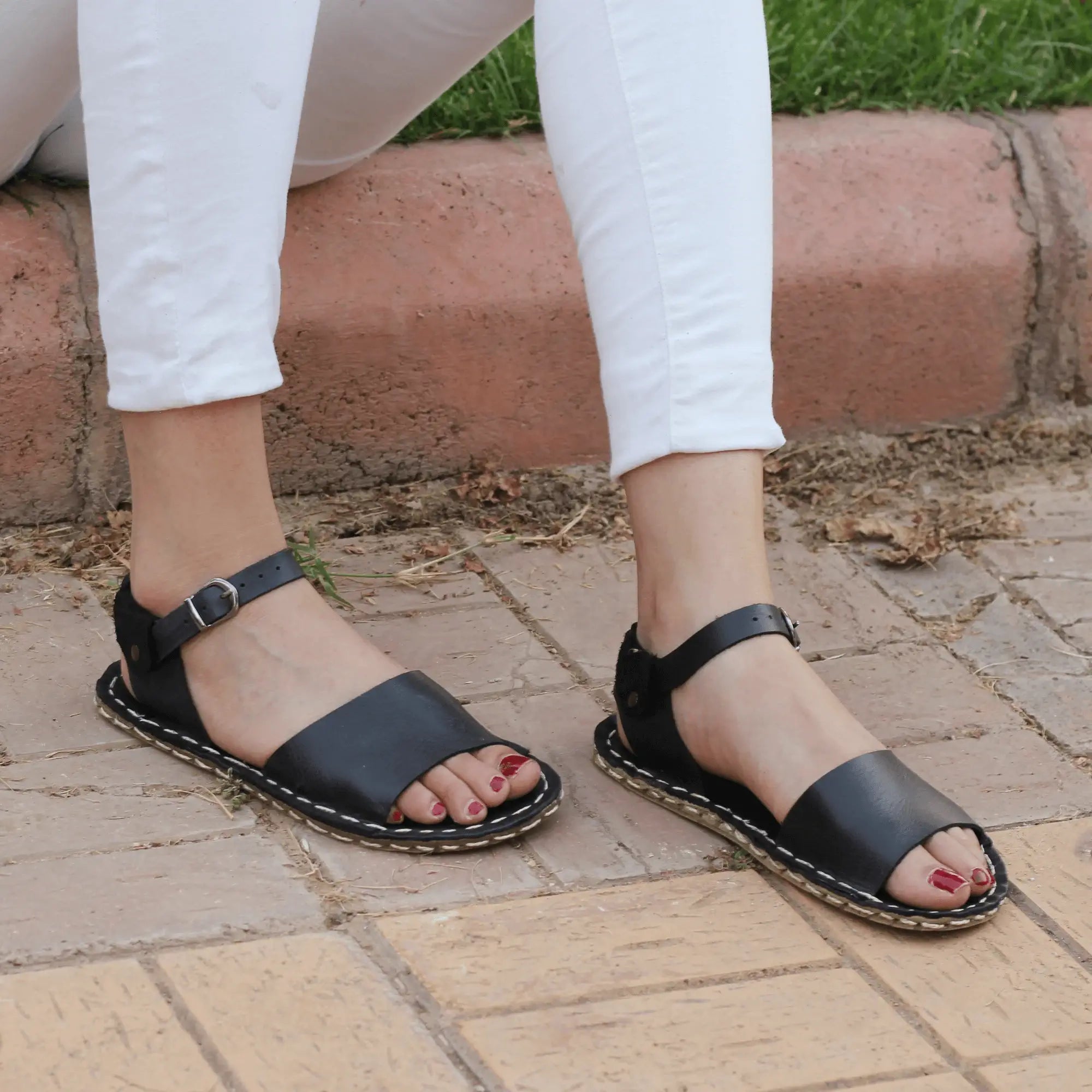
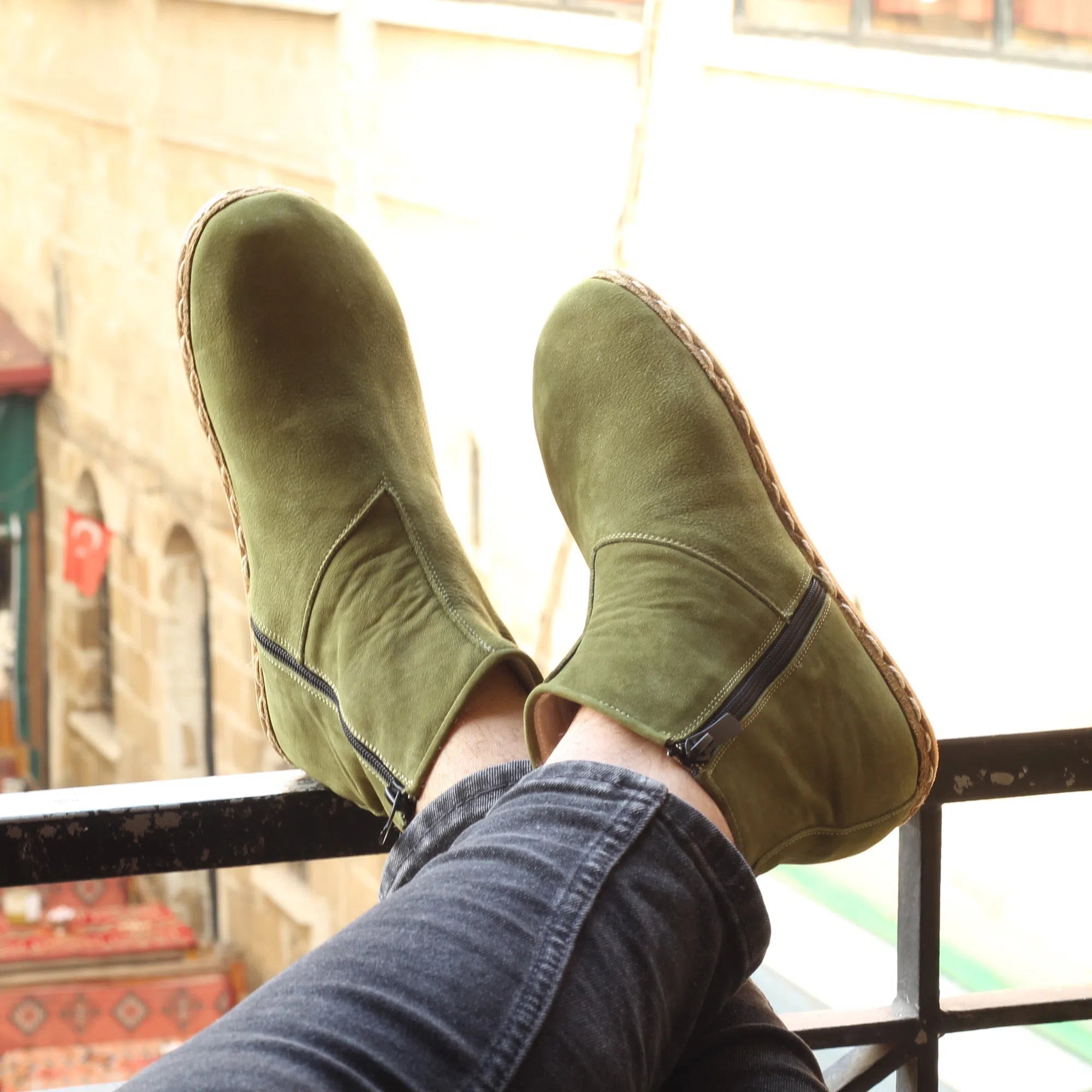
A lot of sandals claim comfort while quietly forcing your body out of its natural position. A cushioned heel, a narrow front, a stiff sole - those design choices may feel familiar, but they are not neutral. Women zero drop sandals take a different path. They keep the heel and forefoot level, give the toes room to spread, and let the foot move the way it was built to move.
For women who are tired of straps that rub, footbeds that crowd the toes, and sandal styles that look relaxed but feel restrictive, this category makes immediate sense. The appeal is not just minimalist style. It is better alignment, more honest ground feel, and a sandal that works with the body instead of managing it.
What women zero drop sandals actually do
Zero drop means there is no height difference between the heel and the ball of the foot. In plain terms, your foot sits flat, not tipped forward. That matters more than most people realize. A raised heel, even a slight one, shifts posture up the chain. Ankles, knees, hips, and lower back all adjust to compensate.
Women zero drop sandals help restore a more natural stance. When the foot is level, the body does not have to work around an artificial incline. Many women notice that standing feels steadier and walking feels less forced, especially after long hours on hard surfaces.
But zero drop is only part of the picture. A good sandal in this category usually pairs that flat platform with a foot-shaped design. That means the front of the sandal should not taper in and squeeze the toes together for the sake of a sleeker silhouette. If the toes cannot spread, the foot cannot fully stabilize.
Why conventional sandals often create the problem
The strange thing about mainstream sandals is that they are often marketed as easy, airy, and healthy simply because they are open. Open does not automatically mean natural. Many standard sandals still elevate the heel, crowd the toes, and rely on thick synthetic soles that disconnect the foot from the ground.
That combination can encourage the exact problems many women are trying to leave behind - pressure under the forefoot, tired arches, cramped toes, sweaty feet, and an unstable stride. If a sandal is loose in the wrong places and restrictive in the right ones, the foot starts gripping just to keep the shoe on. That is not relaxed movement.
This is why women who switch to zero drop footwear often describe the difference as freedom rather than softness. The goal is not to pad the foot into numbness. The goal is to let it function.
Women zero drop sandals and natural alignment
Health begins with the feet because posture begins there too. When footwear changes the angle of the foot, the whole body responds. A flat sole helps the heel, midfoot, and forefoot share load more evenly. That can support a more balanced gait and a more natural walking pattern.
For some women, this shift feels instantly better. For others, especially those used to arch support and thick cushioning, it takes time. That is not a flaw. It just means the body is adjusting to doing more of its own work again. Muscles that have been underused may need a gradual return to activity.
The payoff is often worth it. With the right pair, women zero drop sandals can encourage stronger foot engagement, less reliance on artificial support, and a closer connection between movement and sensation. That last point matters. Your feet are designed to receive information from the ground. When the sole is too thick or too rigid, that feedback gets dulled.
The fit details that matter most
Not every zero drop sandal is a good one. Some brands flatten the sole but keep the shape narrow and the materials cheap. That misses the point.
The first thing to look for is a wide toe box. Your toes should rest naturally, not overlap or angle inward. If the big toe is being pushed toward the others, the sandal is still working against your anatomy. A natural fit lets the toes spread and grip without strain.
The second is flexibility. A stiff sandal may hold its shape on a shelf, but it interferes with yours while walking. The sole should bend with the foot, not force a rigid stride. Flexibility helps the foot articulate naturally across uneven ground and daily surfaces.
Material quality also matters more than many shoppers expect. Natural leather tends to breathe better, mold to the foot over time, and avoid the plastic feel that often leads to sweat and odor. For women who want both wellness and beauty, handmade leather sandals offer a rare combination. They feel personal rather than mass produced.
Then there is the sole itself. Some women want maximum ground feel. Others want a little more protection for city sidewalks or longer days out. Neither preference is wrong. It depends on lifestyle, foot strength, and how much transition you have already made into minimalist footwear.
Style is not a side issue
A lot of minimalist footwear has treated style like an afterthought. That has kept many women away from zero drop designs even when the benefits were obvious. The truth is simple: if a sandal supports your health but never leaves the closet, it is not the right sandal.
The best women zero drop sandals do not ask you to choose between function and appearance. They can look refined, earthy, bold, or understated while still respecting the shape of the foot. That is especially true when craftsmanship leads the design. Handmade sandals tend to have more character, better material transitions, and a silhouette that feels intentional instead of orthopedic.
This is one reason artisan footwear stands apart from factory-made alternatives. When shoes are built with care, the details show. The leather softens differently. The shape looks more grounded. The sandal feels like an object made for use, not just a trend pushed through production.
Are they right for everyone?
Usually, yes - but not always on day one.
If you have spent years in sandals with heel lift, heavy cushioning, or aggressive arch support, jumping straight into very minimal footwear can feel intense. Your calves may work harder. Your feet may notice muscles they have not used in a while. That does not mean zero drop is wrong. It means your body may need a transition period.
Start with shorter walks. Wear them around the house, on errands, or during lower-impact parts of your day. Pay attention to fit and response. If a sandal truly matches your foot and your body is adapting well, comfort tends to deepen rather than fade.
There are also cases where personal history matters. Women with specific injuries, highly sensitive feet, or long-standing mobility issues may need a slower shift. Minimalist footwear is powerful, but it is not magic. The right pace matters.
Why grounding-minded women are drawn to this category
Many women who seek zero drop sandals are not only chasing comfort. They are looking for reconnection. Conventional footwear often blocks sensation with layers of foam, plastic, and synthetic structure. Minimal sandals, especially those made with natural materials, offer a different experience - one that feels closer to the earth and less mediated.
That grounded feeling is part biomechanics and part lifestyle. It is about sensing where you are, moving with more awareness, and rejecting the idea that the body needs to be boxed in to be supported. For shoppers who care about natural living, craftsmanship, and foot health, that philosophy feels less like a niche and more like common sense.
Brands like Nefes Shoes speak to that shift clearly. The idea is not just to wear less shoe. It is to wear a sandal that respects the body, uses honest materials, and lets comfort come from alignment rather than artificial bulk.
How to choose the right pair
Think first about where you will actually wear them. For everyday city use, you may want a sole with a little more durability and a secure strap system. For travel, breathability and all-day comfort become even more important. For beach towns, warm weather, and daily casual wear, lighter and more open designs often make the most sense.
Then be honest about your own transition stage. If you are brand new to barefoot-style footwear, a sandal with a flexible but not ultra-thin sole can be a smart middle ground. If you already love minimalist shoes, you may prefer something even closer to the ground.
Finally, do not ignore craftsmanship. The shape, leather quality, and finishing details affect not only how the sandal looks, but how it wears over time. A well-made pair tends to become more comfortable as it breaks in. A poorly made pair usually reveals itself fast.
Your feet do not need more control. They need more truth. The right sandal gives them room, balance, and a closer relationship with the ground beneath you.