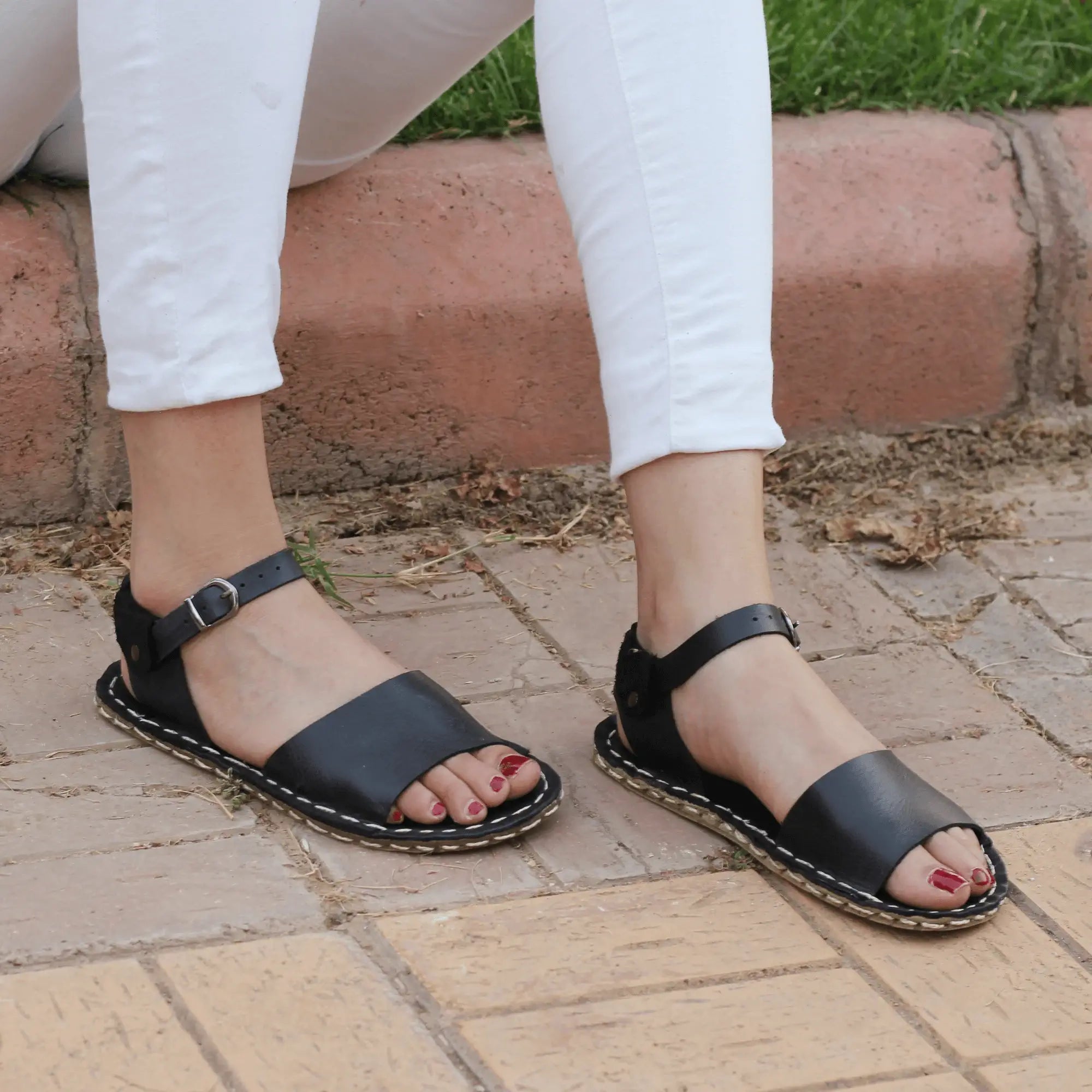
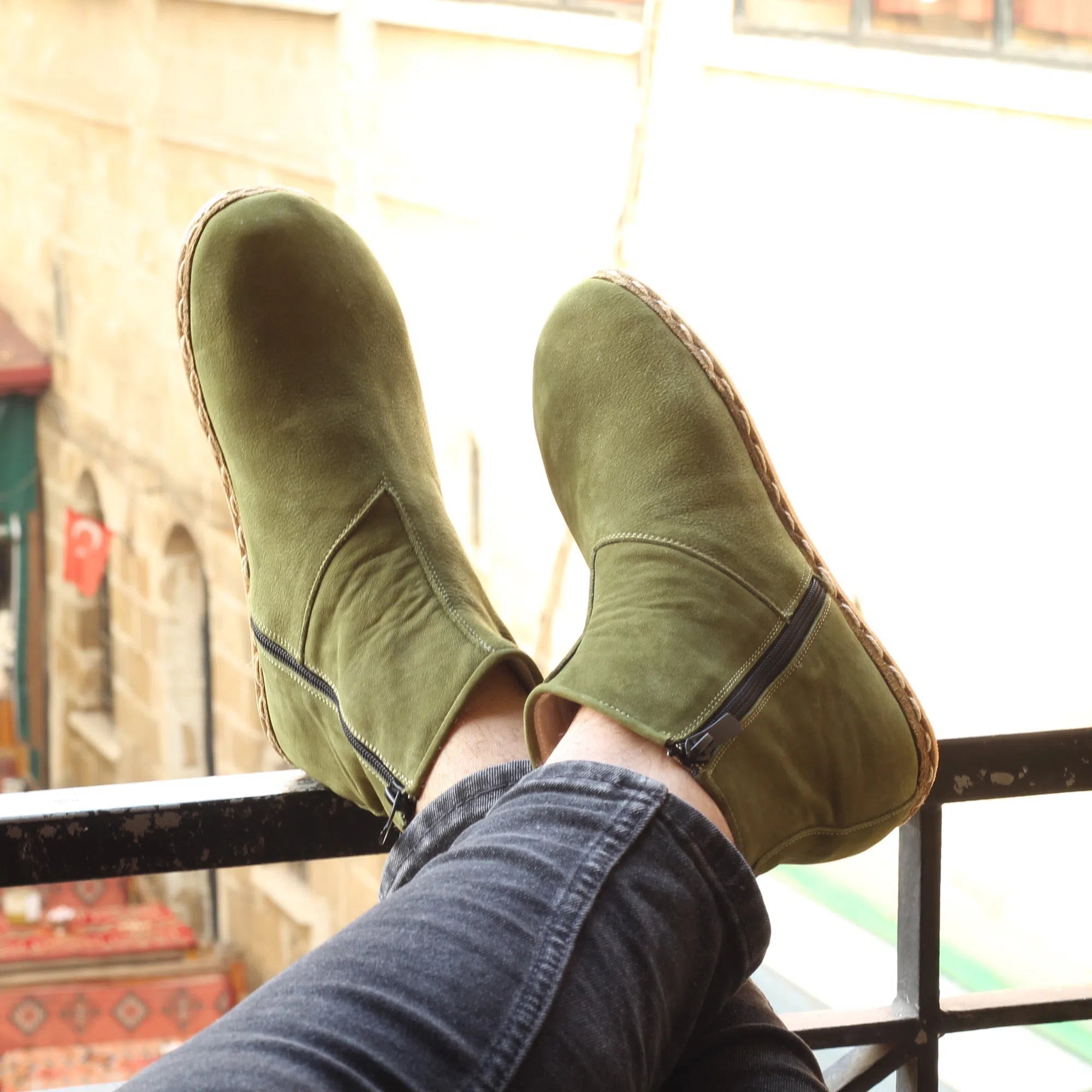
By 3 p.m., most office shoes tell the truth. Your toes feel crowded, your forefoot feels tired, and that polished pair that looked sharp at 8 a.m. starts acting like a vise. That is exactly why more people are looking for wide toe box office shoes - not as a niche comfort fix, but as a smarter way to get through the workday without fighting their own feet.
The old office shoe formula has been backwards for a long time. Narrow front. Elevated heel. Stiff sole. Synthetic upper. It may photograph well, but it asks your feet to give up shape, balance, and natural movement for the sake of a dress code. If you spend hours standing, walking between meetings, commuting, or simply sitting with compressed toes, that trade-off adds up.
A better office shoe does not need to look orthopedic or casual. It needs to respect the anatomy you were born with. That starts with space.
Why wide toe box office shoes matter
Your toes are not meant to be stacked, pinched, or pointed inward. They are part of your foundation. When they can spread naturally, your foot can stabilize more effectively, your weight can distribute more evenly, and your stride tends to feel less forced.
In an office setting, people often underestimate how much time they spend on their feet. Even desk-based work includes walking halls, commuting, standing at counters, climbing stairs, and moving through a full day on hard floors. When shoes squeeze the toe box, the body compensates. Sometimes that shows up as hot spots and blisters. Sometimes it looks more like fatigue, forefoot pressure, or a vague sense that your shoes never really feel good after the first hour.
A wide toe box addresses one of the biggest design failures in conventional dress shoes. It gives the front of the foot room to exist as a foot, not as a decorative shape. For many people, that means better comfort. For others, especially those dealing with bunions, toe crowding, or swelling by the end of the day, it can mean the difference between tolerable and wearable.
What separates a good office shoe from a comfortable-looking one
Some brands have caught on to the language of comfort, but not always the design. A shoe can have soft padding and still work against natural movement. It can be marketed as roomy while narrowing sharply at the front. It can feel cushioned in the store and still leave your feet tired because the structure is doing all the wrong things.
If you want wide toe box office shoes that truly support your feet, look beyond a vague promise of comfort. The shape matters first. The front of the shoe should follow the natural outline of the foot instead of tapering aggressively toward the big toe. That does not mean clownish or oversized. It means anatomically honest.
Heel height matters too. A raised heel shifts pressure forward, which is exactly where many office workers already feel strain. A flatter, zero-drop design keeps your posture more natural and avoids loading the forefoot all day. The transition can take time if you are used to elevated shoes, but the long-term difference is often worth it.
Then there is material. Office shoes made from plastic-heavy synthetics may look sleek, but they often trap heat and moisture. Natural leather, especially when thoughtfully crafted, tends to breathe better, mold to the foot over time, and age with more character. For people who spend all day in one pair, that is not a luxury detail. It changes the wearing experience.
Style without foot compromise
One reason people stay stuck in conventional dress shoes is fear. They assume that anything healthier will look too casual, too plain, or too strange for the office. That fear is understandable because many comfort-first shoes have trained people to expect bulky soles, athletic styling, or medical-looking shapes.
But there is another path. Minimalist office shoes can look refined precisely because they remove the excess. Clean leather. Thoughtful lines. Simple construction. When the silhouette is balanced and the material quality is strong, a shoe does not need a pointed toe or stacked heel to look professional.
In fact, the modern office is already more flexible than many people think. Unless your environment is extremely formal, polished minimalist loafers, moccasin-inspired dress shoes, simple leather lace-ups, and understated flats can all work. The key is pairing a grounded design with premium materials and careful finishing.
That is where handmade construction stands apart from mass-market office footwear. You can feel when a shoe was shaped with intention rather than optimized for a trend cycle. The result is often quieter, better-looking, and more personal.
How to choose wide toe box office shoes for real life
The right pair depends on how your workday actually looks. If you sit most of the day but want a dress shoe that does not punish your feet during commuting and meetings, a lightweight leather slip-on or flexible lace-up may be enough. If you are on your feet for hours, sole flexibility and pressure distribution become even more important.
Think about your office wardrobe too. If you wear tailored pants, skirts, or monochrome basics, a simple leather shoe with a natural shape often blends in more easily than expected. If your style leans more creative, you have even more room to choose distinctive handcrafted footwear without looking out of place.
Fit is not just about width. Many people need room for toe splay but not a sloppy midfoot or heel. The best shoes hold securely through the middle of the foot while letting the toes move freely. That balance prevents sliding without creating pressure where it does not belong.
And be honest about your transition. If you have spent years in structured dress shoes with heel elevation, moving straight into a very flexible, flat office shoe can feel different at first. That is not a sign the design is wrong. It may simply mean your feet need time to wake up and work more naturally again.
Wide toe box office shoes and the barefoot shift
There is a reason the barefoot movement keeps gaining ground, even among people with professional dress expectations. Once you experience shoes that let your feet spread, flex, and stay closer to level, it becomes hard to return to narrow, heeled footwear just because it is considered normal.
Health begins with the feet. That is not a slogan dressed up as science. Your feet influence how you stand, how you walk, and how force moves through the body. Office footwear that blocks natural function may not cause every ache on its own, but it can absolutely add friction to your daily mechanics.
A barefoot-inspired office shoe usually focuses on four things: a wide toe box, zero-drop platform, flexible sole, and natural materials. Together, those features create a very different wearing experience from standard dress shoes. You feel more connected to the ground. Your toes are not fighting for space. Your foot can actually participate in movement instead of being locked inside a shell.
That said, there are trade-offs. If you want the thick cushioning and rigid support of conventional comfort shoes, minimalist office footwear may feel unfamiliar at first. Some people adapt quickly. Others need a gradual shift. It depends on your gait, foot strength, and what you have been wearing for years.
What to avoid when shopping
A wide label is not enough if the shoe still narrows at the end. Many so-called wide shoes simply add extra volume without changing the toe shape. That can leave you with a loose fit and still-crowded toes, which is the worst of both worlds.
Be cautious with heavy cushioning, stiff arch structures, and hard heel lifts if your goal is more natural alignment. These features are often sold as support, but they can also interfere with how the foot is meant to move and respond. Support is not automatically bad, but more structure is not always better.
Also pay attention to materials. If the upper feels plasticky, overheats easily, or refuses to break in around your foot, that polished finish may come at the cost of comfort. A quality leather office shoe should soften with wear and feel more like a second skin over time, not a fixed mold you have to endure.
The office shoe should not be the problem
The best office shoes disappear in the right way. Not because they are forgettable, but because they stop demanding that your feet shrink, stiffen, and adapt to an unnatural shape. Wide toe box office shoes do something simple and radical at the same time - they let your body work the way it was built to work while still showing up with style.
That is the real standard worth chasing. Not a sharper toe. Not a higher heel. Not another synthetic shoe that looks formal and feels dead by noon. If your workday asks a lot from your body, your shoes should stop taking more than they give.
A polished look means more when you are not paying for it with cramped toes and tired feet.