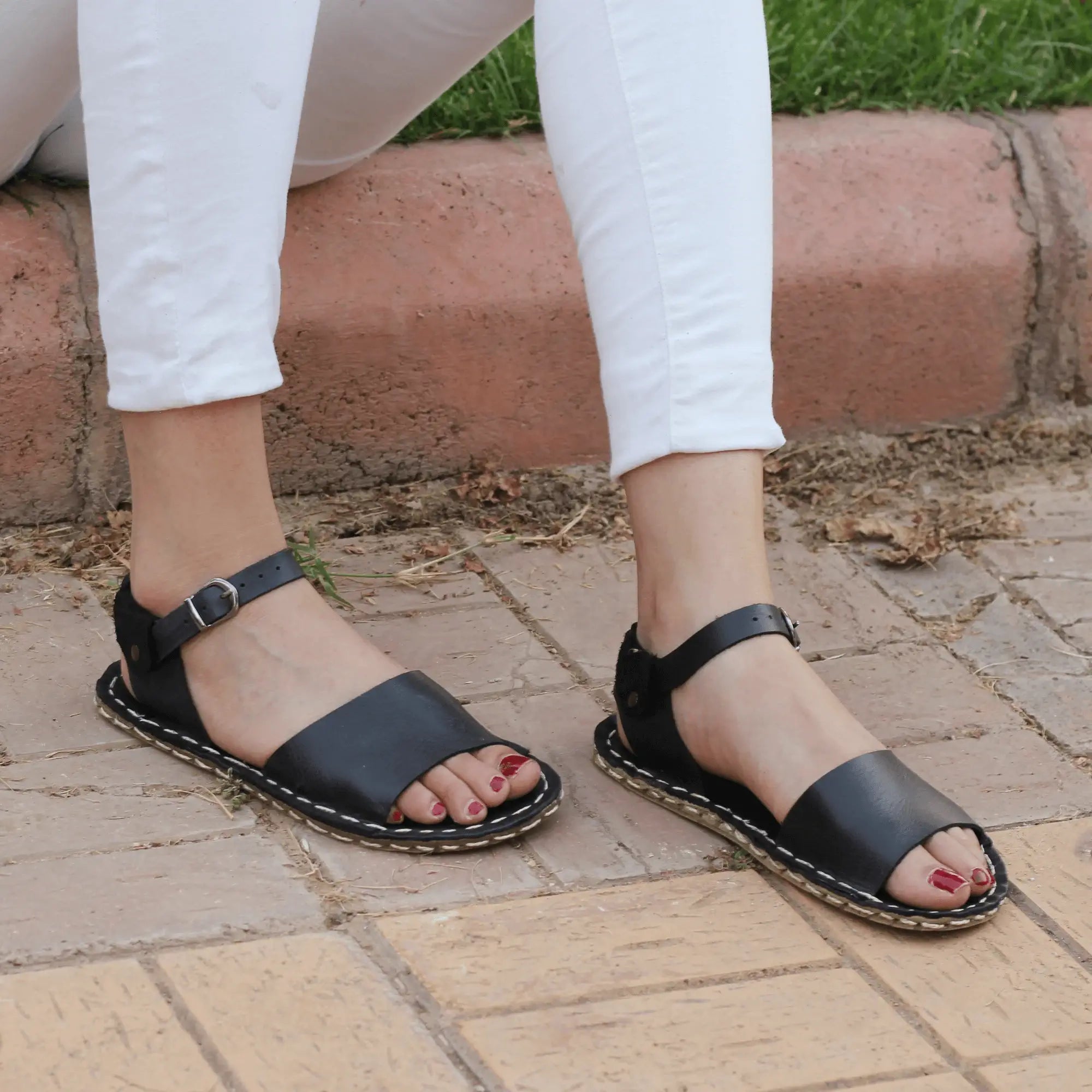
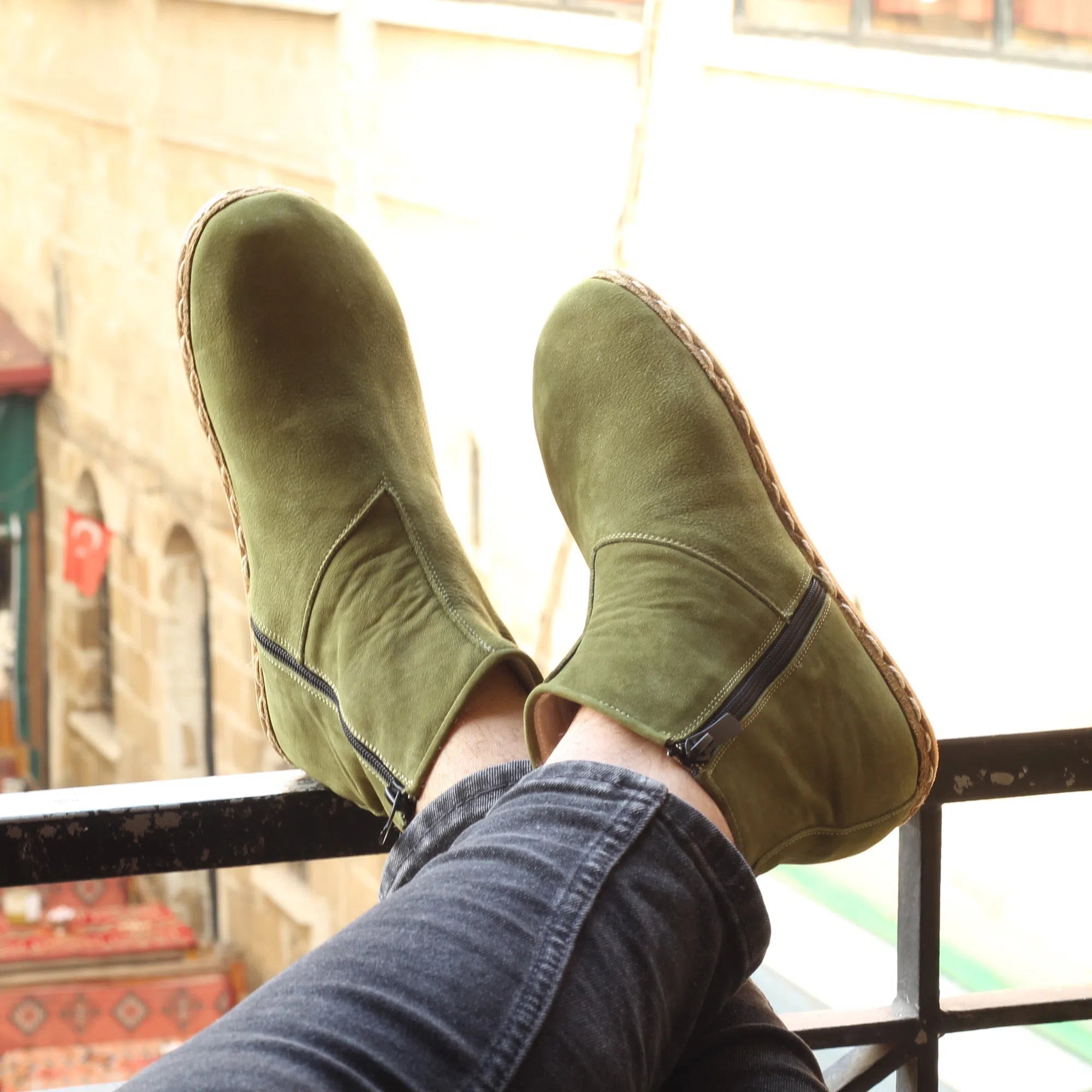
If your feet have spent years inside stiff soles, raised heels, and narrow toe boxes, switching overnight can backfire. Learning how to transition barefoot shoes is less about forcing your body into a trend and more about giving your feet time to remember what they were built to do - spread, flex, stabilize, and move naturally.
That part matters because barefoot shoes change the job description of your entire lower body. Your toes have more room. Your arch has to work instead of being propped up. Your calves and Achilles take on more load without a cushioned heel doing the work for them. For many people, that feels liberating right away. For others, it feels surprisingly intense.
Neither response means barefoot shoes are wrong for you. It usually means your body is adapting.
Why transitioning to barefoot shoes takes time
Conventional footwear often dulls the mechanics of walking. Thick soles mute ground feel. Arch support can reduce how much the small muscles of the foot contribute. Elevated heels shift posture forward and shorten the calf complex over time. Then a barefoot shoe removes those crutches all at once.
That is why the transition should be gradual. Barefoot shoes are designed to support natural movement, but natural does not always feel easy on day one. If your feet have been restricted for years, they may be weak, stiff, or both. Your ankles may lack mobility. Your stride may be built around heel cushioning and toe spring rather than true foot function.
A careful transition helps you build strength without tipping into overuse. It also gives you time to notice what is normal adaptation and what is a sign to slow down.
How to transition barefoot shoes without overdoing it
Start smaller than you think you need to. The most common mistake is wearing barefoot shoes all day because they feel comfortable for the first hour. Discomfort often shows up later, especially in the calves, arches, and forefoot.
For the first week, wear them for 30 to 60 minutes at a time on easy walks or during normal indoor movement. If that feels fine, add another 30 minutes every few days. Some people adapt quickly and can move into half days within two weeks. Others need a month or more. It depends on your current foot strength, injury history, weight, walking habits, and how structured your old shoes were.
Keep the rest of your footwear rotation in play during the transition. This is not cheating. It is how you manage load. Think of barefoot shoes like strength training for your feet. You would not go from never lifting weights to max effort every day. The same logic applies here.
A simple timeline that works for most people
In week one, use barefoot shoes for short, low-stress sessions. Around the house is often ideal, especially if you are used to supportive sneakers or boots. In week two, increase to one to two hours at a time and include short outdoor walks on even ground.
By weeks three and four, many people can handle several hours if they are paying attention to form and recovery. After that, you can begin using them for more of your day, but high-volume walking, travel days, and long periods on concrete may still require caution.
There is no prize for rushing. The goal is not to prove toughness. The goal is to rebuild function.
What your body may feel during the transition
Mild muscle fatigue in the arches, calves, and lower legs is common. So is increased awareness of the ground. Your feet may feel more awake. Your toes may begin to spread more naturally. Some people notice their posture changes before their feet do, because zero-drop shoes can reduce the forward pitch created by raised heels.
What should not be ignored is sharp pain, persistent soreness that gets worse each day, swelling, or pain that changes your gait. That usually means you increased time too fast or added too much intensity too soon.
A little effort is expected. Strain is a warning.
Areas that often need the most patience
The calves and Achilles tendons usually complain first, especially if you have worn heeled shoes for years. The plantar fascia can also feel tender if the foot is being asked to work in a way it has not in a long time. Even the tops of the feet may feel tired if your walking mechanics are changing.
This does not mean barefoot shoes caused a problem. More often, they exposed one that was already there - stiffness, weakness, poor ankle mobility, or an overstriding gait.
Walking form matters more than most people think
A barefoot shoe does not fix movement by itself. It gives your body the chance to move more naturally, but you still have to use that chance well.
If you land heavily in front of your body, you will feel it more in minimalist footwear. Try shortening your stride slightly and letting your feet land closer to under your center of mass. Walk quietly. Let the foot roll naturally instead of slamming the heel. Keep your knees soft and your posture stacked rather than leaning forward from the hips.
This is one reason people often say barefoot shoes make them more mindful walkers. You can get away with sloppy movement in padded shoes. In a more minimal shoe, your body gets clearer feedback.
Strength and mobility can speed up the process
If you want to know how to transition barefoot shoes with fewer setbacks, do not rely on wear time alone. A few minutes of foot and ankle work each day can make the shift smoother.
Toe spreads, controlled calf raises, short barefoot balance work, and ankle mobility drills can help wake up muscles that have been underused. Even something as simple as standing barefoot and actively gripping and releasing the floor with your toes can increase awareness.
You do not need an elaborate routine. Five to ten minutes done consistently is often enough to support adaptation. The real aim is to give your feet options again - mobility where they are stiff and strength where they are weak.
Terrain, workload, and shoe style all change the equation
Not every barefoot shoe transition feels the same. A soft leather moccasin, a sandal, and a boot can all deliver different experiences. Surface matters too. Smooth indoor floors are very different from city sidewalks, trails, or long hours standing at work.
If you are starting out, choose the easiest version of the transition first. Short walks on flat ground are usually more forgiving than all-day errands or uneven hiking paths. If your work keeps you standing for hours, build up to that slowly. Static standing can fatigue the feet faster than relaxed walking.
This is where well-made barefoot footwear earns its place. Natural materials, flexible construction, and a foot-shaped design can make the transition feel more honest to the body. Nefes Shoes builds around that philosophy - wide toe freedom, zero-drop balance, and handcrafted leather that moves with the foot instead of trapping it.
Signs you are adapting well
A good transition usually feels steady, not dramatic. Your feet may feel worked but not wrecked. Recovery happens within a day. Your walking becomes quieter and more relaxed. You notice more toe movement and better contact with the ground. Some people also report less foot sweat and less of that cramped, compressed feeling they used to accept as normal.
You may also start rejecting your old shoes. Once your toes have room to splay and your posture settles into a flatter platform, many conventional shoes begin to feel unnatural fast.
That said, adaptation is rarely perfectly linear. You might feel great for a week, then get sore after a longer day. Adjust, recover, and keep going.
When to slow down or get extra help
If you have a history of plantar fasciitis, Achilles issues, bunions, neuromas, or long-term foot pain, a slower transition is wise. The same goes if you have diabetes, major balance concerns, or structural issues that affect gait. Barefoot shoes can still be part of your life, but the pace should respect your body, not your enthusiasm.
If pain is persistent or specific rather than general fatigue, consider getting guidance from a qualified professional who understands natural footwear. Not every foot problem calls for more support. But not every foot is ready for an aggressive transition either.
The mindset that makes barefoot shoes work
The people who do best are usually the ones who treat the process as relearning, not just shopping. They stop expecting the shoe to do the work of the foot. They pay attention. They let strength return gradually. They understand that freedom and function come with responsibility.
That is the deeper shift. Barefoot shoes are not about less shoe just for the sake of it. They are about removing interference so the body can do more of what it was designed to do.
Give your feet time, let the ground teach you something, and do not confuse slow progress with failure. Real change often starts at the bottom.