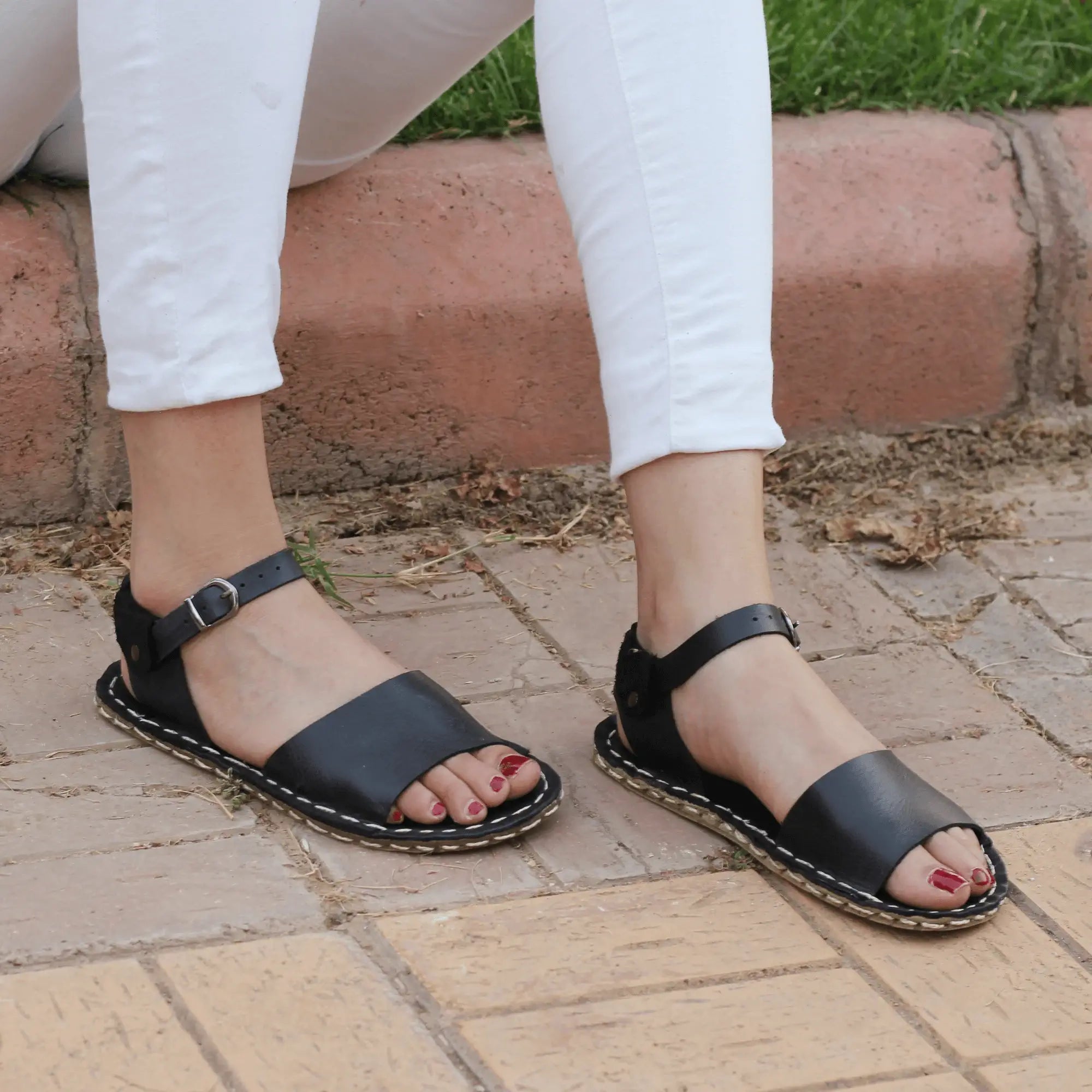
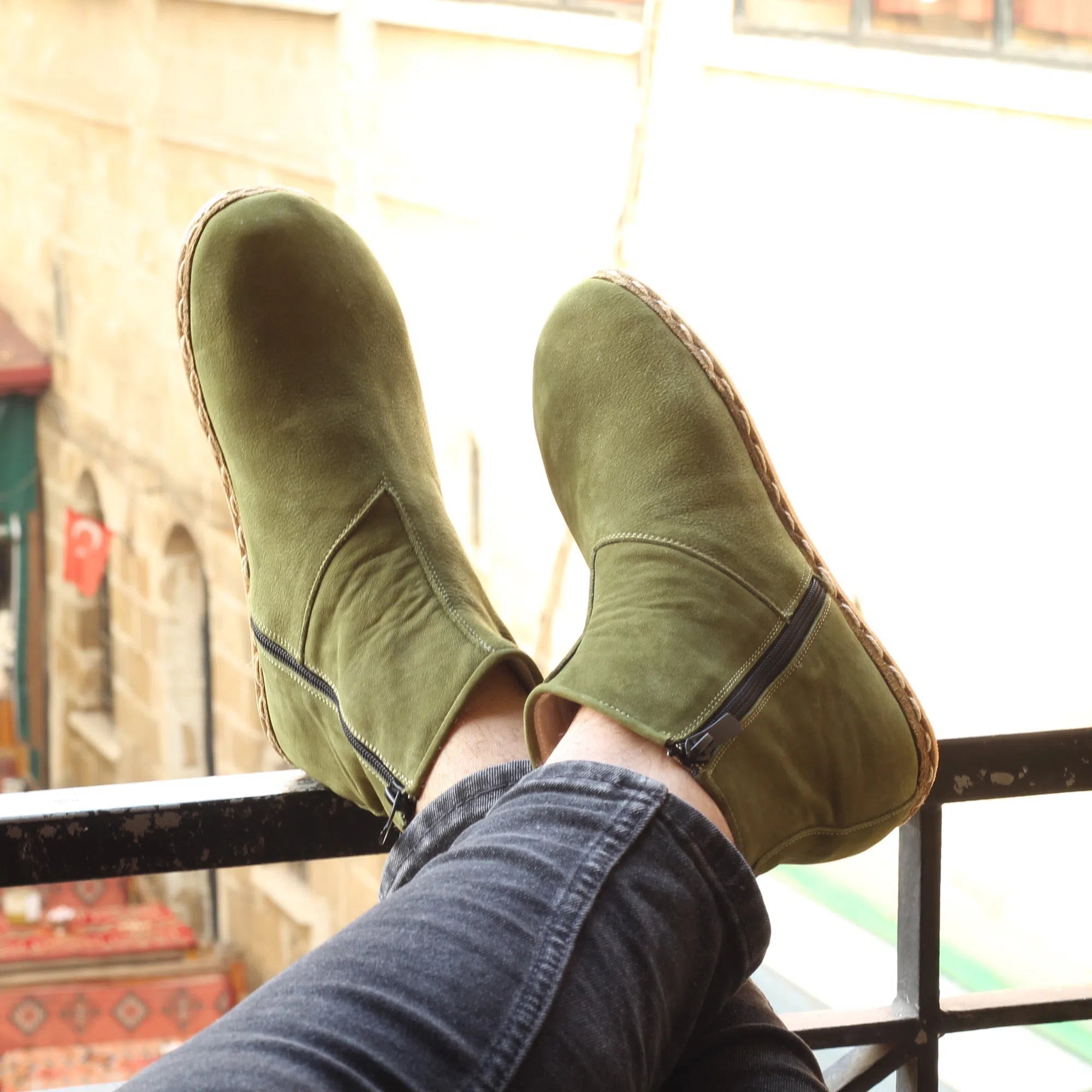
A lot of foot pain starts with a quiet compromise: your shoes squeeze the toes, lift the heel, weaken the foot over time - and then you get told to add more support. That is why the debate around barefoot shoes vs orthotics matters. One approach tries to guide and cushion the foot from the outside. The other asks a harder, more natural question: what happens when the foot is finally allowed to do its own job?
This is not a simple good-versus-bad choice. Orthotics can absolutely help in the right context. Barefoot shoes can also transform comfort, posture, and movement when used correctly. But they work from very different philosophies, and understanding that difference is where better decisions begin.
Barefoot shoes vs orthotics: the core difference
Orthotics are inserts designed to change how forces move through your feet. Some are custom, some are over-the-counter, and most aim to support the arch, reduce strain, or redistribute pressure. They are often prescribed when someone has plantar fasciitis, flat feet, overpronation, or chronic discomfort.
Barefoot shoes take the opposite route. Instead of adding structure under the foot, they remove the usual barriers that interfere with natural mechanics. A true barefoot shoe usually has a wide toe box, a zero-drop sole, and a flexible sole that bends with the foot. The goal is not to prop the body up. It is to let the feet move, spread, stabilize, and sense the ground more naturally.
That difference matters because feet are not passive blocks of bone. They are active, responsive structures with muscles, tendons, fascia, and nerves designed to adapt. When that system has been restricted for years by stiff soles, narrow toe boxes, and elevated heels, support can feel necessary. Sometimes it is necessary. But sometimes it is compensating for weakness and lost function rather than solving the root issue.
Why orthotics help some people
Orthotics are popular for a reason. If someone is in pain, they can reduce stress quickly. By controlling motion or cushioning pressure points, they may calm irritated tissue and make walking tolerable again. For a person with acute plantar fasciitis, a rigid deformity, a leg length issue, or a medical condition that changes gait, an orthotic can be a useful tool.
That is the key word: tool. Not identity, not destiny.
The problem starts when orthotics become the default answer to every foot complaint. If your feet hurt because they have become deconditioned inside conventional shoes, more structure may bring relief without restoring strength. It can feel better while the underlying issue stays in place.
This does not mean orthotics are wrong. It means they may be best understood as temporary support, condition-specific treatment, or one part of a larger plan. For some people, long-term use makes sense. For others, it keeps the foot in a cycle of dependence.
Why barefoot shoes appeal to people seeking root-cause change
Barefoot shoes ask the body to wake back up.
When the toes have room to spread, balance changes. When the heel is no longer elevated above the forefoot, posture often changes too. When the sole can flex and the foot can feel the ground, the body gets better sensory information with every step. Over time, that can influence gait, stability, and how force travels through the ankles, knees, hips, and spine.
For many people, this is the real power of barefoot footwear. It does not just soften symptoms. It can help rebuild capacity.
That said, natural movement is not a magic trick. If your feet have spent years in thick, stiff shoes, moving straight into barefoot shoes all day can be too much, too fast. Calves may tighten. Arches may fatigue. Old movement patterns may get exposed. The transition matters.
Barefoot shoes vs orthotics for common foot problems
If you are comparing barefoot shoes vs orthotics because something already hurts, the answer depends on what is driving the pain.
For plantar fasciitis, orthotics may reduce load on irritated tissue in the short term. Barefoot shoes may help long term if the issue is tied to weak intrinsic foot muscles, poor toe function, or gait mechanics shaped by conventional footwear. But switching too fast can aggravate symptoms at first.
For bunions, barefoot shoes often make immediate sense because they stop forcing the toes into a tapered shape. Orthotics do not fix a narrow toe box problem. They may change pressure under the foot, but they do not create space for natural toe alignment.
For flat feet, the conversation gets more nuanced. Some flat feet are flexible and capable of becoming stronger with better movement and footwear. Others are rigid, painful, or tied to structural issues that need medical guidance. Flexible flat feet may benefit from gradual barefoot work. Rigid or severe cases may need more support.
For overpronation, orthotics are commonly used to control motion. Barefoot advocates would argue that pronation itself is not the villain - uncontrolled or poorly timed pronation might be. Sometimes better toe splay, stronger arches, and improved ankle control change the whole picture. Sometimes an orthotic is still useful while that strength develops.
This is where honest education matters more than ideology. Bodies are individual. History matters. So does pacing.
What most conventional shoes get wrong
The argument is not only about inserts. It is also about the shoe built around them.
Many modern shoes create the problem they later try to solve. Narrow fronts compress the toes and reduce natural splay. Raised heels shift body weight forward. Thick, rigid soles limit sensory feedback and reduce the work the foot should be doing. Then, when discomfort follows, more cushioning and more arch support are added.
That cycle can make the foot quieter, but not necessarily healthier.
A well-made barefoot shoe breaks from that pattern. It gives the toes space, keeps the body in a more natural alignment, and allows movement instead of fighting it. For wellness-minded people who care about posture, balance, and whole-body function, that shift can be bigger than comfort alone. It can feel like getting your foundation back.
When orthotics still make sense
A contrarian stance is only useful if it stays honest. There are cases where orthotics are the smarter choice, at least for now.
If you have severe pain, a recent injury, diabetic foot concerns, major structural deformity, or a condition diagnosed by a podiatrist or physical therapist, do not treat barefoot shoes as a shortcut. They are footwear, not emergency care. In some situations, a supportive insert helps protect tissue while healing happens.
There is also room for a hybrid approach. Some people use orthotics temporarily while strengthening the feet and transitioning out of restrictive shoes. Others wear barefoot shoes in daily life but keep orthotics for flare-ups or high-load situations. Real life does not always fit clean categories.
How to transition without making your feet angry
If your instinct says natural movement is the direction you want, patience will serve you better than intensity.
Start by wearing barefoot shoes for short periods. Let your feet, ankles, and calves adapt. Walk, do not sprint. Pay attention to fatigue, not just pain. Mild muscle soreness can be normal. Sharp or lingering pain is a sign to back off.
Toe mobility, calf flexibility, and foot-strength exercises can help, but so can simply giving your feet more honest work to do. That is one reason handmade leather barefoot shoes appeal to people who want less interference and more connection. The right materials matter too. Natural leather breathes differently, molds differently, and feels different from synthetic, heavily structured footwear.
This is not about forcing your body into a trend. It is about removing obstacles and letting healthy function return at a pace your body can handle.
The better question is not support or no support
The better question is this: what does your foot need right now, and what do you want it to be capable of six months from now?
If the immediate goal is pain reduction after injury, orthotics may be the right answer. If the long-term goal is stronger feet, better alignment, freer toe movement, and a more natural relationship with the ground, barefoot shoes deserve serious attention. For many people, the smartest path is not permanent support. It is strategic support while they rebuild function.
That is why this conversation matters beyond footwear. Your feet shape every step above them. When they are compressed, braced, and cut off from the ground, the body adapts. When they are allowed to spread, flex, and feel again, the body adapts to that too.
At Nefes Shoes, we believe health begins with the feet, and feet are at their best when they are free enough to work as nature intended.
If you are choosing between barefoot shoes and orthotics, do not just ask what feels easiest today. Ask what helps your body move with more freedom tomorrow.