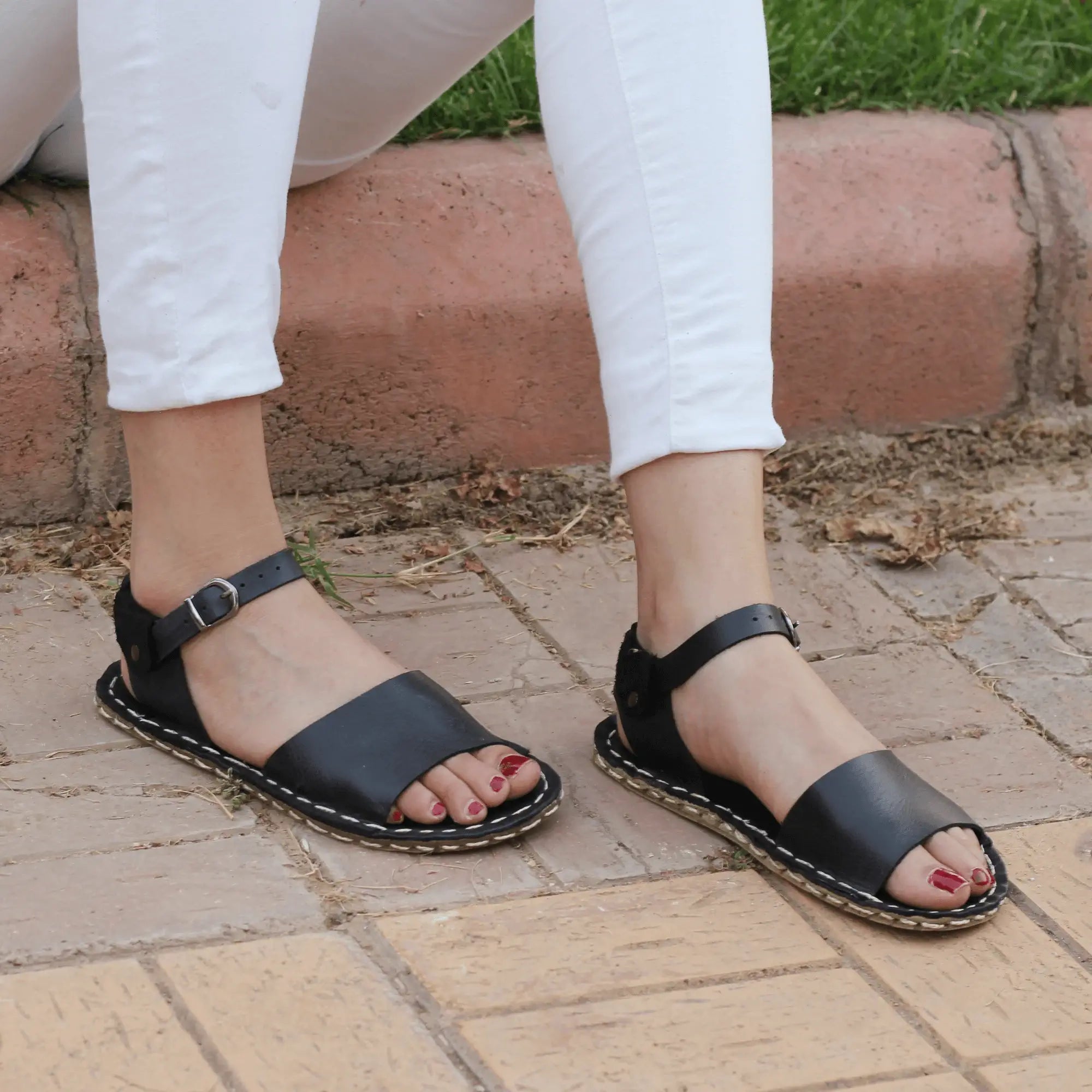
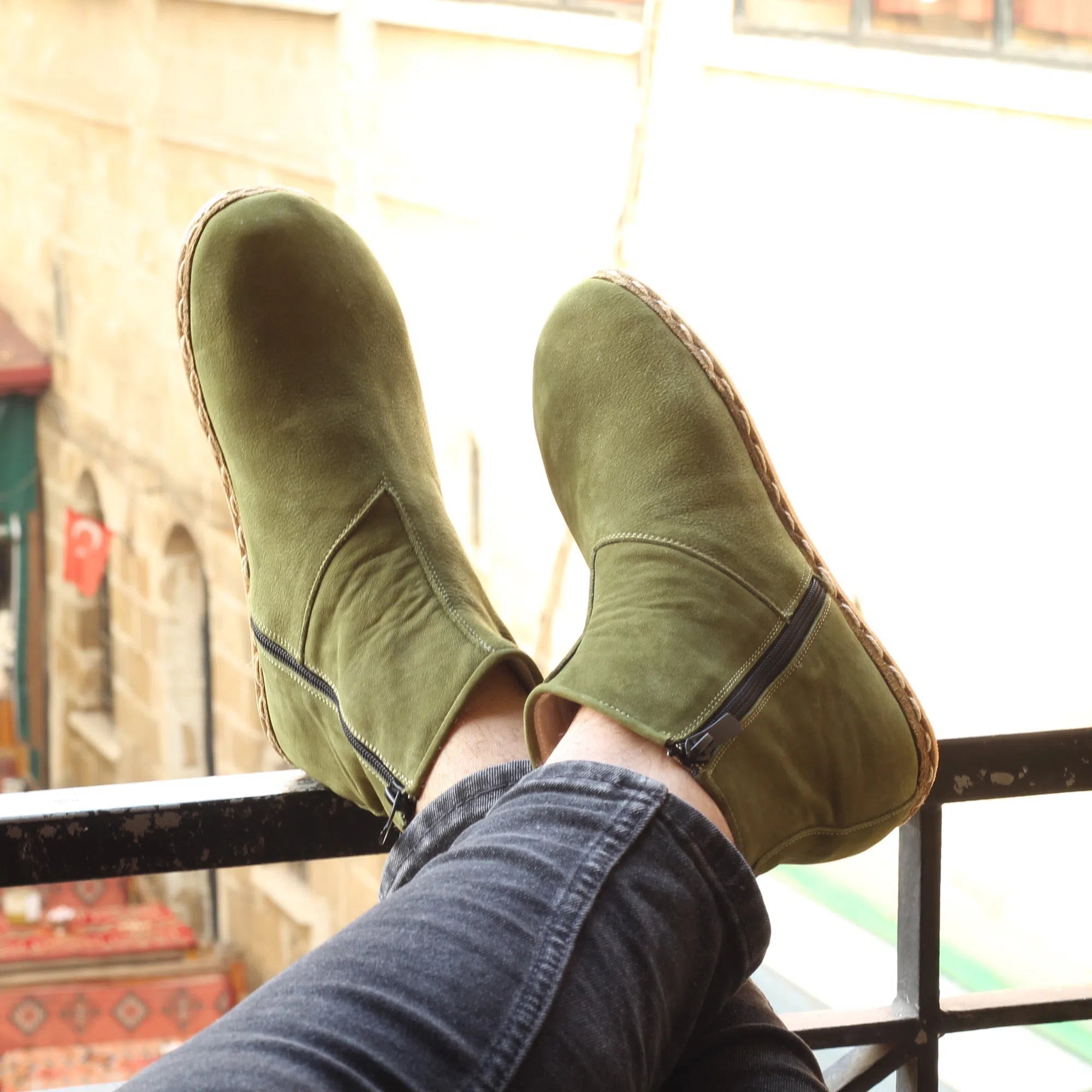
A walk through wet grass can feel like the most natural place to reconnect with the earth. But can grounding shoes be waterproof at the same time? Usually, not in the way people expect. The very barrier that keeps water out often blocks the conductive path grounding footwear is designed to preserve.
That does not mean your shoes need to surrender to the first puddle. It means choosing footwear honestly: some shoes prioritize direct earth connection, some prioritize full rain protection, and some offer a practical middle ground. Your daily terrain should decide which trade-off makes sense.
Can Grounding Shoes Be Waterproof Without Losing Grounding?
A conventional waterproof shoe works by creating a sealed barrier. It may use a waterproof membrane, synthetic coating, sealed seams, rubber layers, or a combination of all four. This construction keeps outside moisture from passing through the upper and into the shoe.
Grounding shoes work from a different principle. They need a conductive route between your body and the earth beneath you. In a traditionally grounded leather shoe, the natural leather sole is central to that design. Leather can absorb and release moisture, and when it makes direct contact with natural ground, it is far less insulating than the thick synthetic soles found on most modern footwear.
Put an impermeable membrane or a fully insulating rubber outsole between your foot and the ground, and that route is interrupted. So a shoe can be waterproof and still look like a grounding shoe, but it will not necessarily provide the same earth-contact experience.
There is one exception worth understanding. A manufacturer could engineer a waterproof shoe with a purpose-built conductive element that passes through the barrier and reaches the ground. But that is a specialized design problem, not something created by simply calling a rain boot "grounding." The conductive connection must be intentional and tested.
Water-Resistant Leather Is Not the Same as Waterproof
For everyday life, water resistance is often the wiser goal. Handmade natural leather can handle light rain, damp sidewalks, and brief contact with wet ground when it is properly cared for. It is not plastic. It breathes, flexes, and develops character with wear. That is part of why leather feels alive on the foot while sealed synthetic footwear can feel hot and restrictive.
Water-resistant leather slows the entry of moisture. Waterproof leather construction aims to stop it entirely, typically through heavy treatments, laminated layers, or sealed linings. The difference matters. A leather shoe that handles a passing shower may still become saturated during a long walk in steady rain or after stepping into standing water.
Natural buffalo leather soles, like other leather soles, are best treated as a connection-first material rather than a storm-proof shield. They can perform beautifully in normal conditions, but they are not the right tool for creek crossings, slushy commutes, or hours in a downpour.
Why the Sole Material Changes Everything
The upper gets most of the attention when people ask whether a shoe is waterproof. For grounding, the sole is the real question.
Most athletic shoes are built around thick rubber and foam. These materials are durable and useful for many activities, but they also insulate the foot from the ground. Add a waterproof upper, and you have excellent weather protection with no meaningful direct contact through the sole.
Leather behaves differently. It is a natural material with a more open structure than rubber or foam. Its relationship with moisture is also different. A completely dry leather sole may not behave the same way as leather that has picked up a little environmental moisture. Ground conditions, humidity, wear, and the condition of the sole all influence the experience.
This is why broad promises deserve skepticism. No shoe should claim that every surface, every weather condition, and every sole condition produces identical grounding. A handmade grounding shoe is made to reduce the artificial separation created by conventional insulated footwear. It is not a magic device, and the real world is more nuanced than a label.
The Practical Choice: Match the Shoe to the Day
If your goal is daily natural movement and a closer connection to the ground, choose grounding footwear for dry streets, indoor-to-outdoor routines, parks, gardens, and light moisture. A zero-drop shape, flexible construction, and a wide toe box allow your feet to move as feet were built to move - without the cramped toe box and raised heel that conventional shoes normalize.
If you are heading into heavy rain, deep snow, muddy trails, or standing water, choose protection first. A truly waterproof boot can keep you warmer and more comfortable, and that is a valid need. Wellness is not about proving toughness by walking through freezing puddles in the wrong shoe.
For uncertain forecasts, water-resistant leather is the middle path. It offers more breathability and natural feel than heavily sealed footwear while giving you time to get through light rain. Carrying a second pair for serious weather is often more honest and more useful than demanding one pair do two opposing jobs.
How to Care for Grounding Leather in Wet Conditions
Leather does not need to be babied, but it does need sensible care. After exposure to rain, wipe off surface dirt and moisture with a soft cloth. Remove the shoes and allow them to dry slowly at room temperature with airflow. Do not put them on a radiator, use a hair dryer, or leave them against direct heat. Fast heat can dry leather unevenly, make it stiff, and shorten its life.
Once the leather is dry, a suitable leather conditioner can help replenish the oils that keep it supple. Use a product compatible with the shoe's leather finish and test it in a small area first. Be careful with heavy waxes, silicone sprays, and thick coatings. They may increase water repellency, but they can also change the leather's breathability, texture, color, and the natural character of the sole.
Avoid soaking leather grounding shoes on purpose to make them more conductive. Saturation is not a wellness practice. It can stretch the upper, weaken adhesives or stitching over time, and leave the shoe uncomfortable long after the walk is over.
Don’t Confuse Wet Feet With Better Grounding
There is a persistent idea that more water automatically means better grounding. The reality is simpler: moisture can affect conductivity, but wet shoes are still wet shoes. They can rub, chill your feet, create odor, and degrade materials faster when they are not dried correctly.
The goal is not to chase puddles. The goal is to wear footwear that respects natural foot function and reduces unnecessary insulation when conditions allow. That may mean a flexible leather-soled shoe on a dry trail, sandals on warm ground, or bare feet on safe natural terrain when appropriate.
A Better Standard Than “Waterproof”
Ask what you actually need from your shoes. Do you need protection from a five-minute walk from the car to work? Do you spend weekends in a wet climate? Are you looking for a shoe that lets your toes spread, your heel sit level, and your feet breathe through ordinary daily movement?
For many people, the answer is not a fully waterproof grounding shoe. It is a well-made, water-resistant leather shoe for everyday wear plus a dedicated waterproof option for harsh weather. That approach protects your investment and gives your feet the freedom they rarely get in mass-produced footwear.
At Nefes Shoes, we believe shoes should connect you to the earth, not lock your feet into stiff synthetic armor. Choose the weather protection you truly need, care for natural leather well, and save full waterproofing for the days when staying dry must come first.