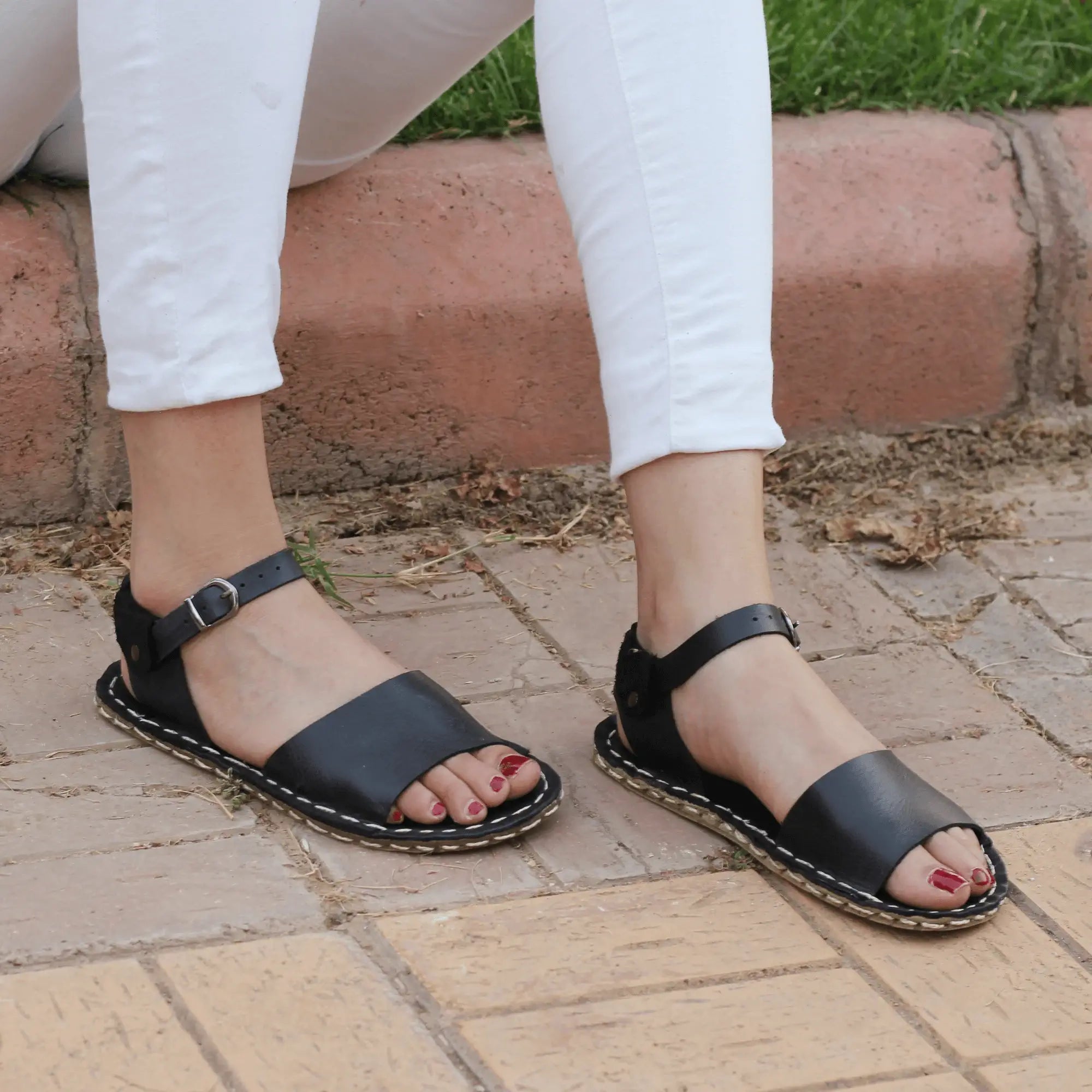
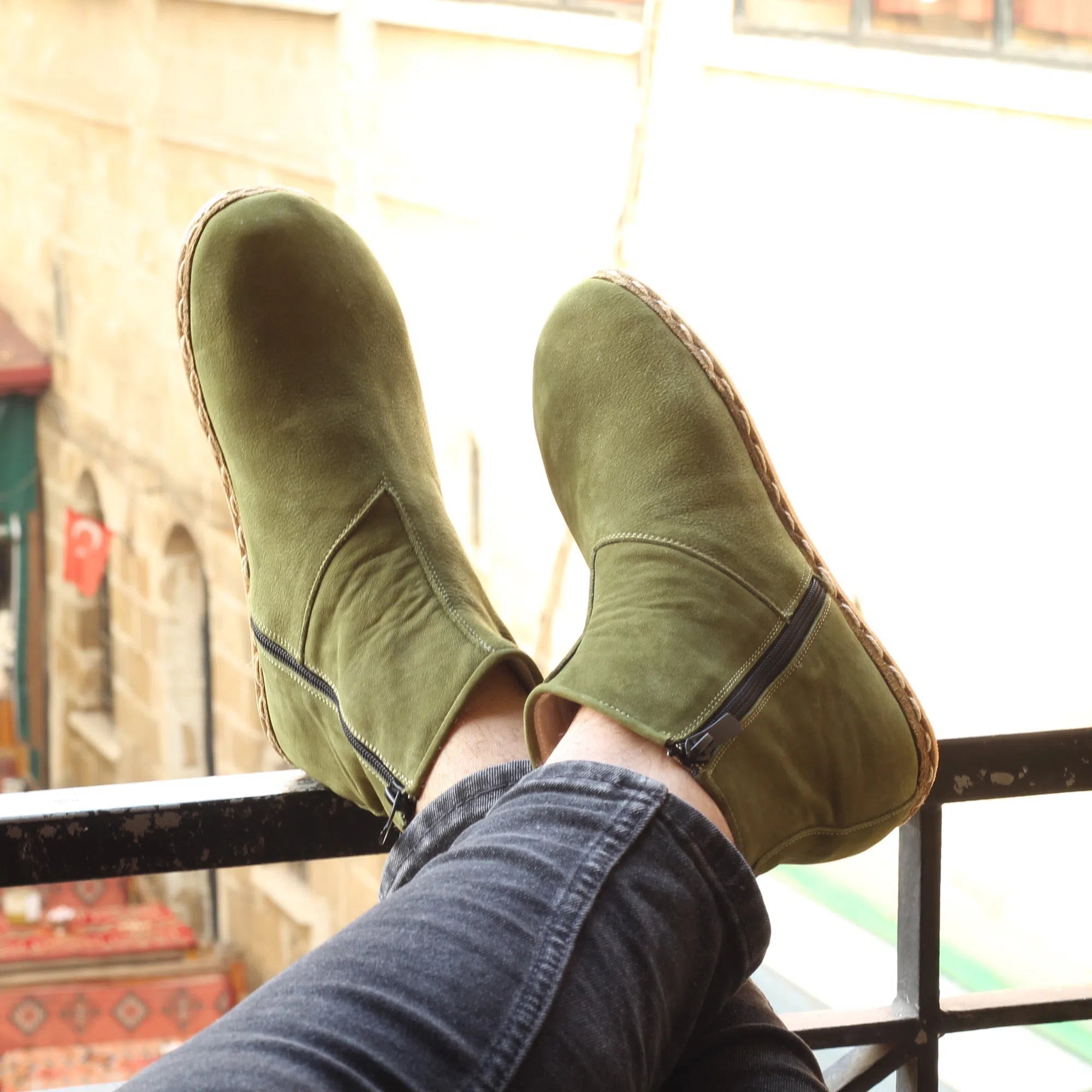
A sandal can feel wonderfully free while still placing a thick synthetic barrier between your body and the ground. That is the real difference behind earthing sandals versus rubber sandals. Both can be open, light, and summer-ready, but their materials, foot feel, and relationship to the earth are fundamentally different.
For people who care about natural movement, the question is not simply which sandal looks better. It is whether the shoe lets your toes spread, keeps your heel level, breathes in heat, and supports the kind of sensory connection your feet were built for. A rubber sandal may be convenient. An earthing sandal is designed to be more intentional.
Earthing Sandals Versus Rubber Sandals: The Core Difference
Rubber sandals use rubber, EVA foam, plastic, or blended synthetic compounds beneath the foot. These materials are durable and inexpensive to produce, but they generally insulate the wearer from the ground. That insulation is useful when you want a highly protective sole, yet it also removes the direct material connection many people seek in a grounding practice.
Earthing sandals are made with materials intended to create a more natural pathway between the foot and the earth. At Nefes Shoes, that means handmade construction and natural buffalo leather soles rather than a thick rubber platform. Leather is not the same as bare feet on soil, grass, or sand. Conditions matter, including the leather, moisture, surface beneath you, and whether there is a continuous contact path. Still, a natural leather sole offers a very different experience from a dense layer of rubber.
The distinction reaches beyond grounding. Natural leather molds gradually to the foot, allows more breathability than many synthetic sandals, and develops character with wear. Rubber stays largely unchanged. One becomes more personal over time; the other is built to remain a manufactured barrier.
What Rubber Sandals Do Well
Rubber sandals earned their place for practical reasons. They handle pool decks, wet pavement, and messy errands with little maintenance. They are often inexpensive, easy to rinse, and resistant to rapid damage from water. If your priority is a shoe you can leave in the trunk, wear in a public shower, or replace without a second thought, rubber is a reasonable material.
Many rubber sandals also provide substantial cushioning. That can feel appealing if you are used to heavily padded shoes, especially during the first hours of a long day. But softness is not automatically the same as support for natural foot function. A deeply cushioned sole can mute feedback from the ground and encourage you to land with less awareness.
The trade-off is that rubber sandals frequently come with raised edges, narrow toe areas, arch bumps, toe posts, and shaped footbeds that tell the foot where it should sit. Some are flat and roomy, but many are not. A sandal may look casual while quietly squeezing the toes or changing your posture.
The Limits of Synthetic Soles
Rubber and foam do not breathe like leather. On hot days, that can mean more trapped moisture, slipping, and odor. Synthetic soles can also feel hot against bare skin after sun exposure.
There is another consideration for people drawn to earthing. Rubber is generally electrically insulating, so it separates your feet from the conductive surfaces beneath you. Walking in a conventional rubber flip-flop is not the same experience as walking barefoot along a shoreline or standing on dewy grass.
None of this makes rubber sandals useless. It simply means they serve a different purpose: easy protection and water resistance over a deeper connection to natural materials and the ground.
Why Earthing Sandals Feel Different
A well-made earthing sandal begins with less interference. The aim is not to overcorrect your gait, lock your arch into one shape, or elevate your heel above your forefoot. It is to give the foot room to behave like a foot.
A barefoot-inspired earthing sandal should have a wide toe box, a zero-drop platform, and enough flexibility for the sole to move with your stride. The wide toe box lets your toes relax and splay rather than pressing them into a tapered shape. Zero drop keeps the heel and forefoot on the same level, which can feel more natural for people who want to step away from raised-heel footwear.
The leather matters, too. Natural buffalo leather has a grounded, substantial feel that synthetic straps cannot imitate. It breathes, softens, and adapts to the contours of the foot. Rather than covering up every sensation with foam, it lets you notice the terrain under you while still providing a layer of everyday protection.
That sensory feedback is one reason minimalist sandal wearers often describe feeling more present in their movement. Uneven paths, pavement, packed dirt, and wooden decks do not disappear beneath a thick slab of foam. Your feet receive information, and you can respond with more awareness.
Grounding Is a Practice, Not a Miracle Claim
Earthing sandals appeal to people who value time outdoors, slower walks, beach days, and a more connected way of living. The idea is simple: reduce unnecessary barriers between your body and the earth.
It is worth being honest about expectations. Grounding conditions vary. Dry ground and dry leather will not behave like wet grass or bare feet in sand. An earthing sandal is not a substitute for medical care, a cure for pain, or a promise of a specific health outcome. Its value is in the materials, the barefoot-friendly design, and the choice to wear footwear that does not automatically rely on a synthetic insulating sole.
For many people, that choice is part of a larger wellness routine: walking outdoors, moving more often, paying attention to posture, and giving their feet space to work. Health begins with the feet, but it also grows through consistent habits.
Choosing the Right Sandal for Your Day
The better choice depends on where you are going and what you want your footwear to do. Rubber sandals make sense for chlorinated pools, heavy rain, and situations where you expect to get soaked. They are utility shoes.
Earthing sandals are better suited to dry daily wear, outdoor walks, travel, casual gatherings, farmers markets, patios, and the moments when you want your footwear to look considered rather than disposable. A handmade leather sandal can carry a simple outfit while offering a more natural foundation underfoot.
Before choosing either style, check the shape of the sandal rather than focusing only on the sole material. Your toes should not hang over the sides or curl to stay inside the footbed. Your heel should sit level, straps should secure the foot without digging in, and the sandal should flex where your foot flexes. If a sandal forces your toes together or props your heel upward, its open design does not make it foot-friendly.
If you are transitioning from thick, cushioned shoes, give your feet time. Start with shorter walks and everyday errands. Your calves, arches, and smaller stabilizing muscles may need an adjustment period after years of elevated heels and rigid soles. Freedom feels good, but gradual change is usually wiser than forcing long distances on day one.
Leather Care Is Part of the Experience
Rubber asks very little of you. Leather asks for a little respect, then gives back years of character. Let leather sandals air out after wear, brush away dry dirt, and avoid leaving them in direct heat for long periods. If they become wet, let them dry naturally rather than placing them near a heater.
Because natural leather is a living material, small marks and changes in color are not defects. They are evidence that the sandal is becoming yours. The sole may wear differently depending on your stride and the surfaces you walk on, just as your favorite leather jacket tells the story of where it has been.
That is a meaningful contrast in the earthing sandals versus rubber sandals decision. One is designed for quick convenience. The other is designed to develop a relationship with your feet.
Your sandals should not compress, elevate, and disconnect you just because the weather is warm. Choose the pair that fits your real life, then give your feet what conventional footwear has denied them for too long: room to move, materials that breathe, and a closer feel for the ground beneath you.