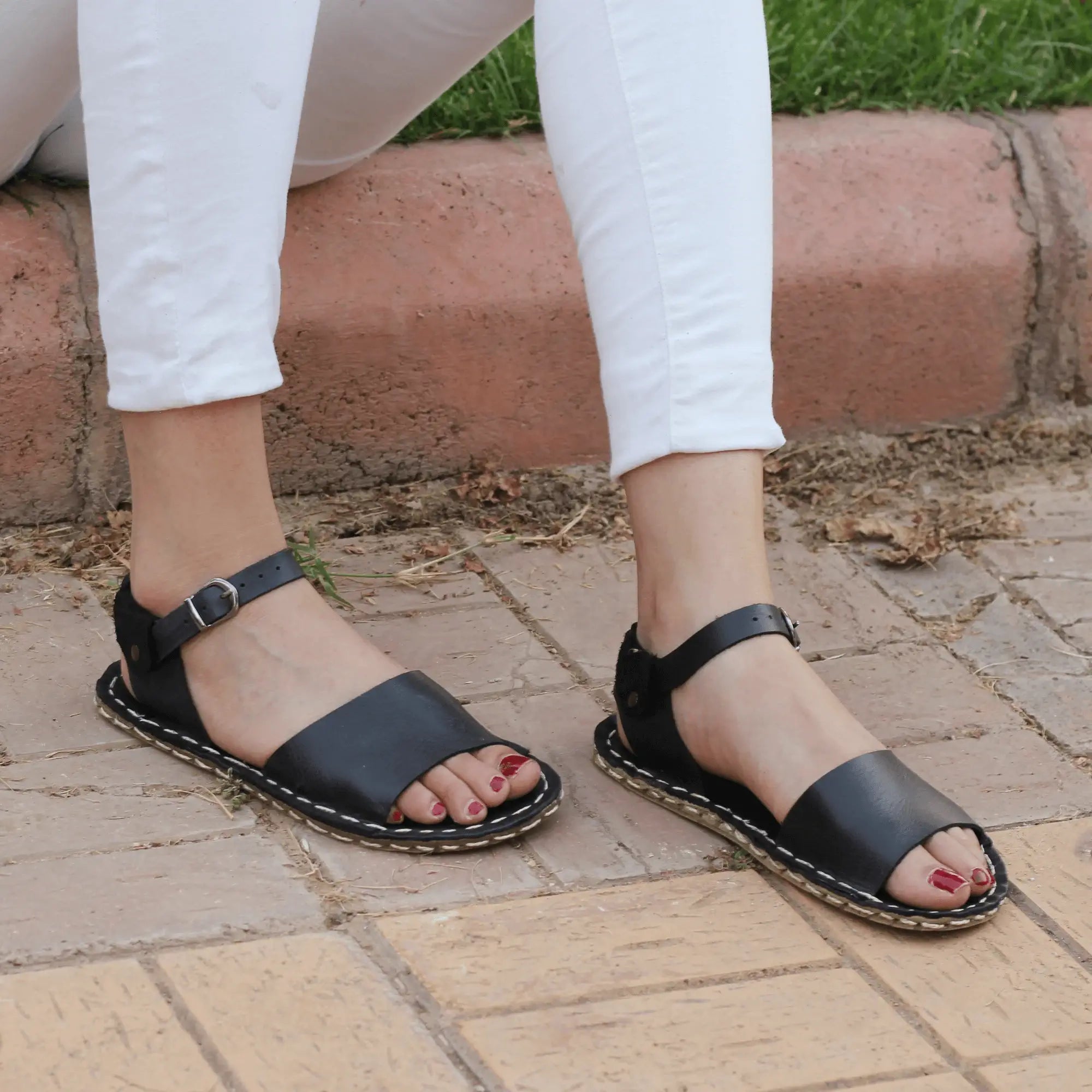
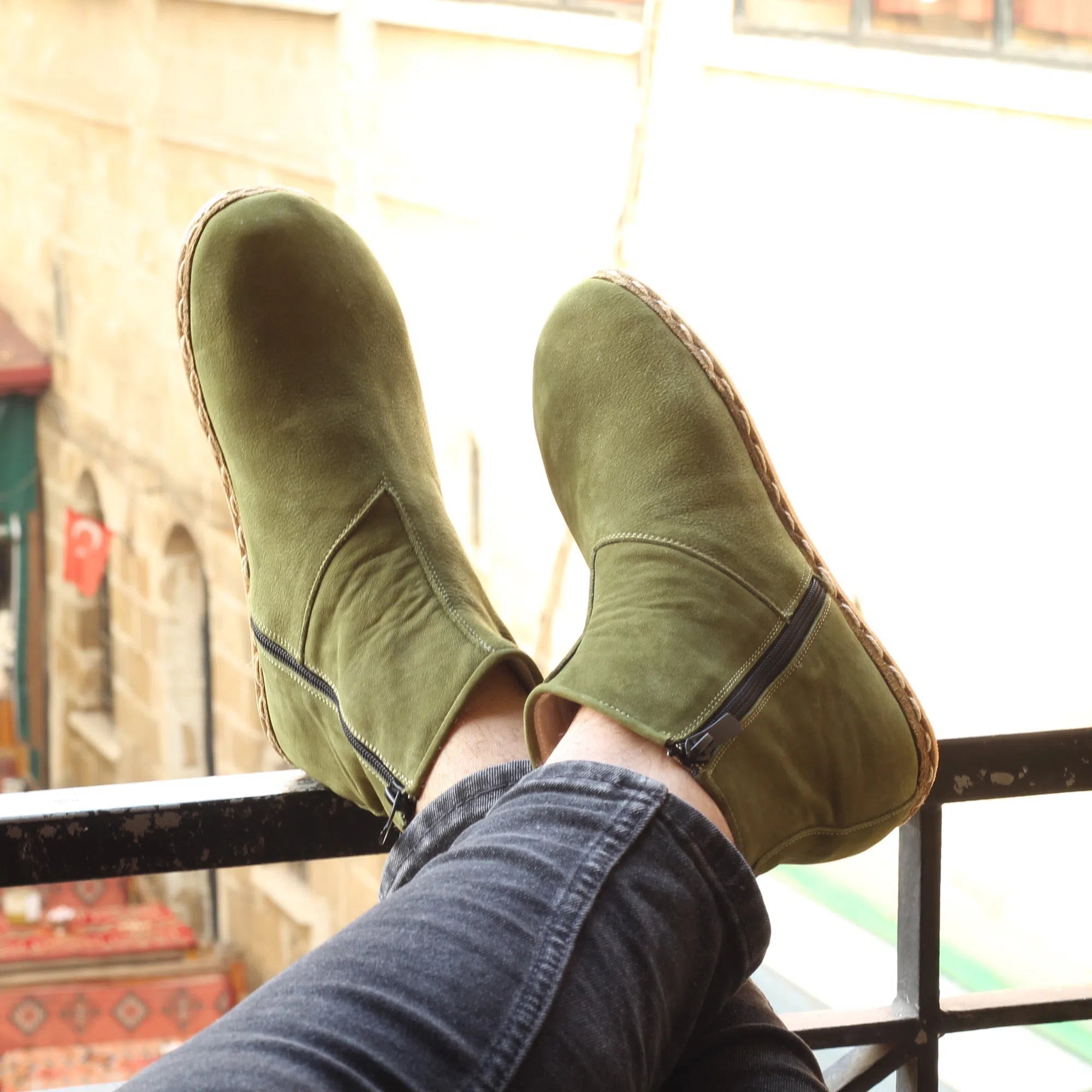
A beautiful pair of leather shoes should smell like leather, not like yesterday’s workout. If you want to prevent odor in leather shoes, the answer is not to drown them in fragrance or seal them inside a plastic box. It is to manage moisture at its source, give the leather room to breathe, and build a simple care rhythm that respects natural materials.
Leather is far more alive than synthetic footwear. It can absorb and release moisture, adapt to the shape of your foot, and develop character over time. But when sweat, bacteria, dead skin, and poor drying habits stay trapped inside, even the finest handmade shoes can become unpleasant. The goal is fresh footwear without harsh chemicals that dry out the leather or merely mask the real problem.
Why Leather Shoes Develop Odor
Foot odor is primarily a moisture problem. Your feet have thousands of sweat glands, and a full day inside closed shoes creates a warm, humid environment. Bacteria thrive in that environment and feed on sweat and skin cells. The odor comes from the byproducts they leave behind.
Leather can help because it is naturally more breathable than many petroleum-based linings and plastic-coated uppers. Yet breathability is not magic. If shoes are worn day after day without time to air out, or if damp socks remain against the foot for hours, the moisture load can exceed what the leather can release.
Fit matters too. Shoes that squeeze the toes can increase friction and heat. Heavy foam cushioning and non-breathable synthetic linings often compound the issue by trapping sweat close to the foot. A wide toe box, flexible construction, and natural materials give your feet more freedom, but they still need basic care after use.
The Daily Habits That Prevent Odor in Leather Shoes
The most effective odor prevention begins the moment you take your shoes off. Do not kick them into a dark closet, leave them in a gym bag, or stack them beneath other footwear. Open them up and place them in a dry, well-ventilated area. Pull the tongue forward if the design allows it, and loosen laces or buckles so air can move inside.
If your shoes feel damp, remove any removable insoles and dry them separately. This simple step makes a noticeable difference because moisture often sits beneath the footbed, where air has the hardest time reaching it. Never put leather shoes directly on a radiator, near a heating vent, or in a clothes dryer. Fast, intense heat can stiffen leather, shrink it, crack the finish, and weaken adhesives.
Rotating between two pairs is one of the smartest habits for anyone who wears leather shoes often. A shoe may feel dry on the surface after one night, while the interior still holds moisture. Giving each pair a full day to recover helps interrupt the bacteria-friendly conditions that cause odor. It also protects the shape and lifespan of the leather.
Start With Clean, Dry Feet
Shoe care cannot fully overcome damp feet and dirty socks. Wash and dry your feet thoroughly, especially between the toes, before putting on closed shoes. If your feet sweat heavily, change socks during the day rather than expecting one pair to handle a long commute, a workout, and an evening out.
Choose socks that manage moisture instead of holding it against the skin. Merino wool is a strong option in cool or warm weather because it can absorb moisture while resisting odor. Quality cotton can work for lighter daily wear, although it stays wet longer once saturated. Avoid socks that are mostly synthetic if they leave your feet hot and clammy. For leather moccasins, slippers, or barefoot-style shoes worn without socks, consistent foot hygiene and more frequent airing become even more essential.
Use Natural Odor Absorbers, Not Perfume Clouds
A fresh-smelling spray may offer a quick cover-up, but fragrance does not remove moisture or reduce bacteria. Worse, heavily scented products can linger in natural leather and irritate sensitive skin. Use odor absorbers that address what is actually inside the shoe.
Baking soda is effective, inexpensive, and easy to use. Sprinkle a small amount into completely dry shoes, leave it overnight, then shake or vacuum it out in the morning. Do not make a wet baking soda paste inside leather footwear, as moisture and residue can discolor the lining.
Cedar shoe inserts or untreated cedar shoe trees are another excellent choice. Cedar helps absorb moisture while leaving a clean, subtle scent. Shoe trees also support the shape of leather shoes as they dry. For minimalist shoes with very flexible uppers, use lightweight inserts rather than forcing in a rigid shoe tree that stretches the toe area.
Activated charcoal sachets can also absorb odors without adding perfume. Place them inside overnight and refresh or replace them according to the product instructions. These options work best as maintenance tools. If a shoe is already soaked with sweat or has a strong bacterial odor, it needs cleaning and complete drying first.
Clean the Inside Gently
Leather footwear deserves a gentler approach than canvas sneakers. Before cleaning, brush out loose dirt and remove insoles if possible. Wipe the interior with a soft cloth that is only lightly dampened with water and a small amount of mild soap. The cloth should never be dripping wet.
For shoes with leather linings, keep moisture to a minimum. Wipe small sections, then allow the shoes to dry naturally in moving air. For fabric-lined leather shoes, you can be slightly more thorough, but avoid saturating the lining. Excess water can create water marks, loosen construction, and invite mildew if the shoe does not dry completely.
If odor keeps returning, clean the insoles separately when the care instructions permit. Many insoles can be gently hand-washed and air-dried. If an insole remains permanently sour or flattened after repeated care, replacing it is often more effective than repeatedly treating the whole shoe.
Do not spray the inside of leather shoes with straight vinegar, bleach, rubbing alcohol, or disinfectant aerosols. Vinegar may be useful in some household cleaning situations, but it can alter the finish or dry the leather when used carelessly. Bleach and harsh alcohol products are even more likely to damage color, leather fibers, and glues. Natural does not always mean leather-safe, so keep treatment measured and targeted.
Dry Shoes the Right Way After Rain or Sweat
Wet weather calls for patience. If leather shoes get caught in rain, blot the outside with a clean towel and remove the insoles. Stuff the shoes loosely with plain, unprinted paper to pull moisture from the interior and help preserve their form. Replace the paper once it feels damp.
Let the shoes dry at room temperature with good airflow. A fan positioned nearby is useful because it moves air without baking the leather. Once dry, condition the exterior leather with a product appropriate for that leather type. Conditioning matters because dry, neglected leather can become stiff and less able to handle everyday moisture changes.
Buffalo leather soles and other natural leather components need this same balanced care. They are made for movement and connection, not for being sealed in damp darkness. Treat them like the natural materials they are.
When Odor Means Something More Than Shoe Care
Sometimes shoes are not the main issue. Persistent foot odor can be linked to excessive sweating, fungal concerns, or skin irritation. If you notice itching, peeling skin, cracking between the toes, unusual discoloration, or odor that does not improve with clean socks and dry footwear, consider speaking with a healthcare professional.
Also look honestly at the condition of the shoe. A pair with a worn-out synthetic lining, permanently damp foam, or deep contamination may be difficult to restore. This is one reason thoughtfully made leather footwear can be a better long-term choice: quality materials can be aired, cleaned, conditioned, and cared for instead of simply discarded.
Nefes Shoes are built around the idea that feet need room to move, breathe, and behave naturally. That philosophy extends beyond a wide toe box and zero-drop comfort. It means choosing habits that let your shoes recover between adventures, so the materials can do what nature designed them to do.
Fresh leather shoes are not created by stronger perfume. They come from dry feet, breathable materials, patient drying, and a little respect for the pair that carries you through the day.