Most sneakers ask your feet to adapt to the shoe. The best zero drop sneakers do the opposite - they let your feet work the way they were built to work. That shift sounds small, but it changes posture, stride, balance, and comfort from the ground up.
If you have spent years in thick soles, pointed toe boxes, and raised heels, zero drop can feel like a quiet rebellion. Your heel and forefoot sit level, your toes get room to spread, and your body is no longer tipped forward by design. For people chasing better alignment, less foot fatigue, and a more natural walking experience, that matters.
What makes the best zero drop sneakers different?
Zero drop means there is no height difference between the heel and the forefoot. In plain terms, your foot stands flat instead of being pushed onto a slope. Traditional sneakers often build in heel elevation, which can shift body mechanics all the way up through the ankles, knees, hips, and lower back.
That does not mean every zero drop sneaker feels the same. Some still use thick foam, rigid structures, and narrow shapes that limit what the foot can do. The best pairs combine zero-drop construction with a foot-shaped design, flexible soles, and enough width for natural toe splay.
This is where many shoppers get tripped up. A shoe can be labeled minimalist or zero drop and still feel oddly restrictive. If the toe box pinches, the sole is stiff, or the upper locks your foot into place like a cast, you are only getting part of the benefit.
Best zero drop sneakers start with shape, not hype
Marketing loves buzzwords. Your feet do not. When you are judging zero drop sneakers, shape should come before trend.
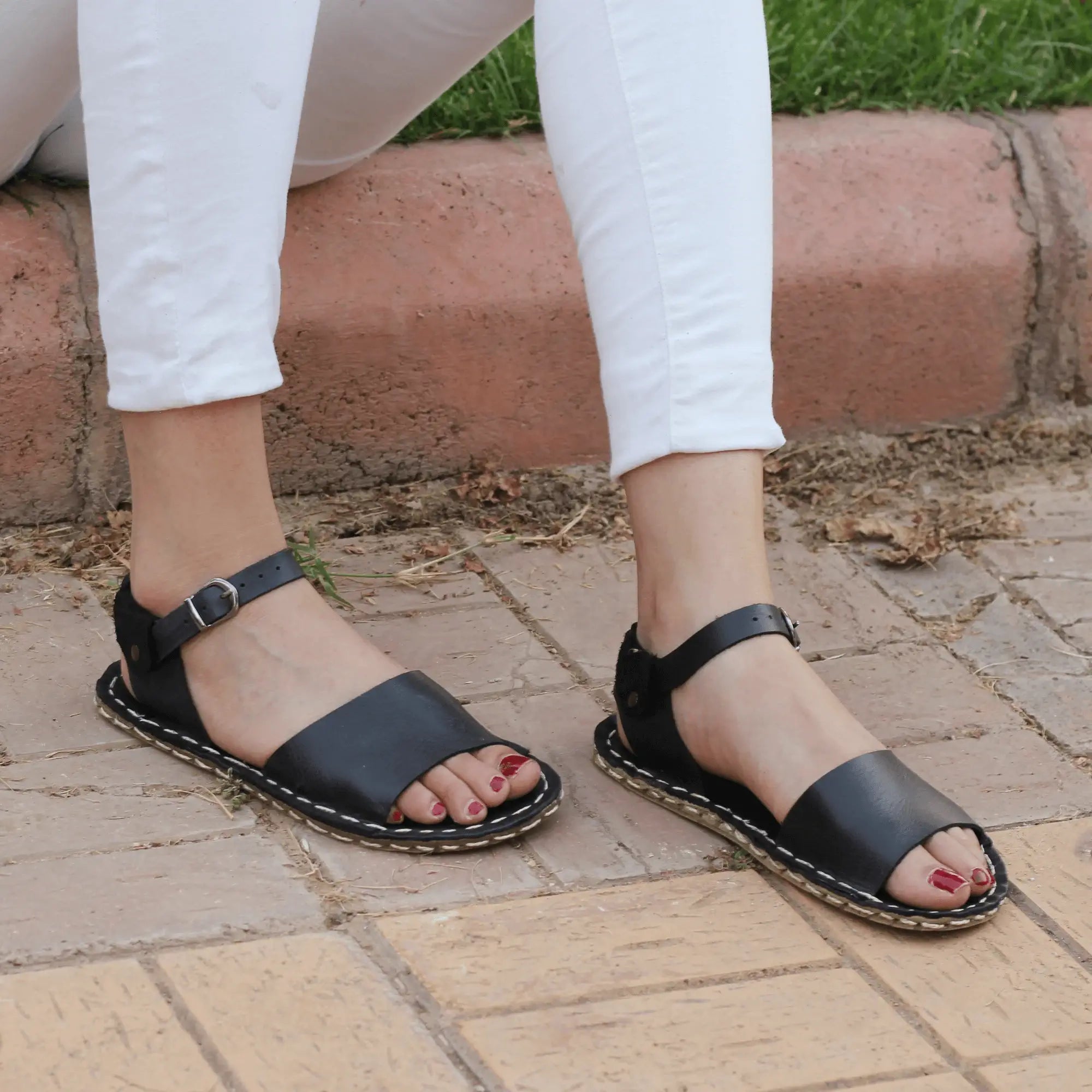
A proper foot-shaped sneaker allows the big toe to stay straight and gives the smaller toes room to move. That can help with comfort during long walks, improve balance, and reduce the cramped feeling many people have accepted as normal. If a sneaker sits flat but squeezes the front of the foot, it is still working against natural movement.
Flexibility matters too. Your foot is designed to bend, stabilize, and sense the ground. A sneaker with some flexibility lets those mechanisms stay active. Overbuilt soles can create a disconnected feeling, even if the shoe is technically zero drop. There is a trade-off here, though. Some people want more cushioning for long days on concrete, and that is reasonable. The key is finding enough protection without turning the shoe into a platform.
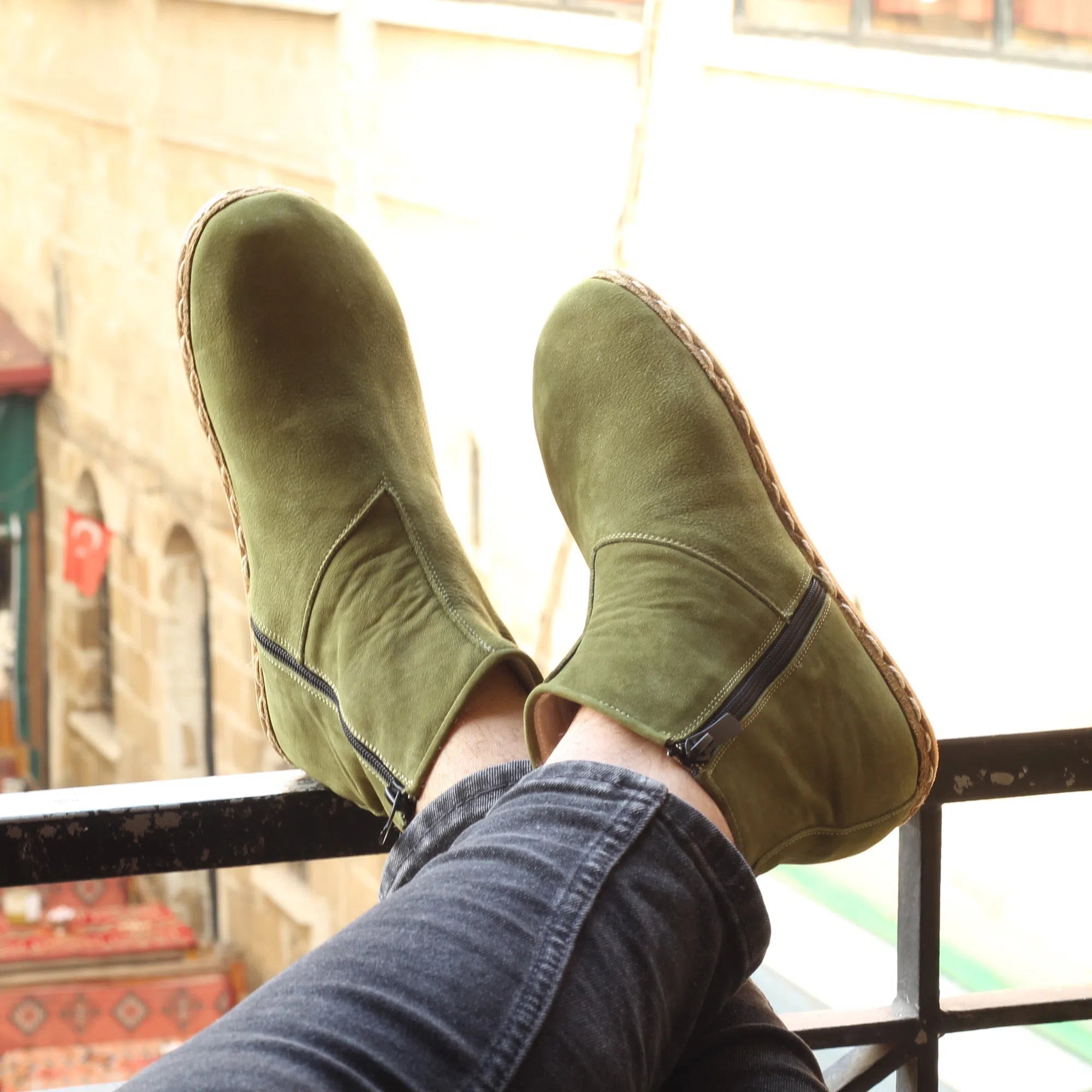
Materials also make a difference. Natural leather uppers and breathable linings tend to mold to the foot over time in a way stiff synthetics often do not. They can feel more personal, more durable, and less swampy after hours of wear. For wellness-minded buyers, this matters as much as the geometry.
Who should wear zero drop sneakers?
Zero drop sneakers appeal to several kinds of people, and not all of them identify as barefoot shoe enthusiasts. Some are dealing with foot discomfort and want more space. Some are frustrated by shoes that feel bulky and unnatural. Some are interested in posture, training, grounding, or simply walking with more awareness.
They can be especially appealing if you have felt boxed in by conventional sneakers. Narrow toe boxes, elevated heels, and synthetic interiors often create the exact problems they claim to solve - hot feet, compressed toes, unstable movement, and all-day fatigue.
That said, zero drop is not magic, and it is not always an overnight switch. If you have worn supportive, cushioned shoes for years, your calves, feet, and Achilles may need time to adjust. That is not failure. It is your body relearning how to move without being propped into one position.
How to choose the best zero drop sneakers for your feet
Start with your actual use case. A sneaker for city walking is not necessarily the same sneaker you want for lifting, travel, or all-day retail work. If you are mostly on pavement, you may want a little more sole protection. If you want maximum ground feel, a thinner sole may be better.
Then look hard at the toe box. This is one of the clearest signs of whether a sneaker respects foot function or just borrows minimalist language. Your toes should be able to relax and spread, not stack on top of each other or angle inward.
Next, consider upper materials. Leather can be a strong choice if you want a naturally adaptive fit, better breathability, and a more elevated look than athletic mesh. It bridges the gap between wellness footwear and everyday style, which is important if you want one pair that works with jeans, casual office wear, and travel.
The sole deserves just as much attention. Ask whether it bends with your foot, whether it feels stable without being rigid, and whether it gives enough feedback from the ground. For some people, more sensory connection improves balance and body awareness. For others, especially beginners, too little protection at first can feel harsh. It depends on your current footwear habits and the surfaces you spend time on.
The biggest mistake people make when switching
They go too hard, too fast.
If you move from heavily cushioned, heeled sneakers into very minimal zero drop shoes and then wear them all day, your body may protest. Your feet have muscles. Your arches have a job. Your lower legs have to adapt. Give them the chance.
A smarter approach is to wear zero drop sneakers for shorter periods at first - walks, errands, a few work hours at a time. Pay attention to calf tightness, foot fatigue, and how your stride changes. Most people do better with a gradual transition than a dramatic one.
Fit is another common mistake. Many shoppers are so used to tight shoes that a proper toe box feels almost too roomy at first. That extra space is usually the point. Your foot is not supposed to be sculpted into a narrow fashion last.
Style still matters, and it should
There is a tired assumption that healthy footwear must look orthopedic or overly sporty. It is false. The best zero drop sneakers should support natural movement without forcing you into a style compromise.
For many adults, especially those building a wardrobe around intentional purchases, appearance matters because shoes are part of daily identity. A clean leather sneaker with zero drop construction, wide toe freedom, and handcrafted character can do something most mainstream pairs cannot - support the body while still looking sharp.
This is one reason artisan-made minimalist footwear has a loyal following. It rejects the disposable logic of mass production. Instead of plastic-heavy trends and exaggerated cushioning, it leans into natural materials, craftsmanship, and design that respects the human foot. That is not nostalgia. It is common sense.
What to look for if grounding matters to you
Some zero drop shoppers are not only interested in biomechanics. They also care about earth connection and natural materials. If that is part of your practice, look beyond the heel-to-toe measurement.
You may want shoes made with natural leather components and construction that aligns with grounding principles, rather than thick synthetic barriers between you and the earth. Not every zero drop sneaker is designed with that intention. Many are still built like standard athletic footwear with a flatter platform.
For shoppers who care about both natural movement and natural contact, that difference is worth noticing. A shoe can be flat and flexible yet still feel disconnected in every other sense. Nefes Shoes speaks to this buyer directly by pairing zero-drop, foot-friendly design with handcrafted leather construction and a grounding philosophy that conventional sneaker brands usually ignore.
Why the best choice is the one you will actually wear
Perfect on paper means nothing if the shoe stays in the closet. The best zero drop sneakers for you are the pair that fit your foot shape, your lifestyle, and your willingness to transition.
If you want a daily sneaker, choose one that feels natural but still works with your real life. If you want to strengthen your feet, do not sabotage that goal with a pair that looks good but squeezes your toes. If you care about materials, trust that instinct. What surrounds your feet for hours every day is not a small decision.
There is no prize for choosing the thinnest sole or the most extreme minimalist design before your body is ready. There is also no reason to keep tolerating shoes that crowd your toes, lift your heel, and numb your connection to the ground. Better movement usually starts with less interference.
Your feet have been waiting for that kind of freedom for a long time. Give them a sneaker that stops arguing with their design.