A shoe can feel acceptable when you first put it on, then become a cage by late afternoon. Foot pain from narrow shoes often starts as pressure around the little toe or a pinched feeling at the forefoot. Over time, it can become burning, numbness, rubbing, aching arches, or toes that no longer have room to do their natural job: spread, stabilize, and help you move.
Your feet were not designed to spend all day compressed into a tapered shape. They are remarkably strong, responsive structures with 26 bones each, multiple joints, and muscles that rely on movement. When footwear repeatedly forces the front of the foot inward, your body adapts - but not always comfortably.
Why Narrow Shoes Create Foot Pain
The toe box is the front portion of a shoe. In many conventional styles, it narrows sharply toward the tip even though the human foot is widest across the toes. That mismatch pushes the big toe inward and squeezes the smaller toes together.
This is not simply a cosmetic issue. Your toes contribute to balance, propulsion, and stability with every step. When they cannot splay naturally, pressure shifts to places that were never meant to carry it alone. The ball of the foot may ache. The outside edge can become tender. Toenails may feel crowded, and friction can produce blisters or calluses.
A narrow fit can also aggravate issues that already exist. If you have a bunion, hammertoe, neuroma symptoms, arthritis, or swelling from long days on your feet, a pointed or restrictive toe box may make discomfort much more noticeable. Narrow shoes do not create every foot problem, but they can keep irritated tissue under constant mechanical stress.
Width is only one part of the equation. A shoe may be wide enough at the heel but taper too aggressively at the toes. It may also have a raised heel that shifts more body weight onto the forefoot, amplifying the pressure caused by a tight toe box. Add stiff synthetic materials that do not soften or breathe well, and the foot has very little room to recover.
Signs Your Shoes Are Too Narrow
The clearest signal is pain, but do not wait for severe pain to question the fit. Redness, deep sock marks, toe numbness, tingling, hot spots, and recurring blisters are all useful feedback from your feet. So is the urge to take your shoes off the moment you get home.
Look at your feet after removing your shoes. If your toes stay pressed together, show indentation marks, or feel stiff when you try to spread them, the shoe may be working against your natural shape. Check the shoe itself, too. If the upper is bulging outward around the little toe or big-toe joint, your foot is asking for more space than the shoe provides.
Shoe sizing can be misleading because brands use different lasts, the forms around which shoes are built. A larger size is not always the answer. Going longer may leave your heel slipping while the toe box remains narrow. What many people need is not more length, but a shape that follows the width and fan-like outline of the foot.
How to Ease Foot Pain From Narrow Shoes
The first move is simple: stop treating the painful shoe as something your feet need to “break in.” Natural leather can soften with wear, but no material can turn a fundamentally narrow toe box into one that truly matches your foot. If a shoe pinches from the start, wearing it longer often means enduring more pressure.
Give irritated feet a break with roomier footwear and reduce activities that make the pain worse for a few days if possible. Gentle toe movement can feel good: slowly spread your toes, lift and lower them, or roll the sole of your foot over a soft ball. Avoid forcing a stretch through sharp pain. The goal is to invite movement back, not add another source of stress.
If swelling is present after a long day, rest and elevating your feet may help. For a blister, protect the area from further rubbing and keep it clean. If you have diabetes, circulation concerns, reduced sensation, or an open wound, get personalized guidance before trying to manage a foot issue on your own.
Persistent numbness, worsening pain, obvious swelling, pain that changes your gait, or symptoms that do not improve after switching shoes deserve attention from a qualified podiatrist or other medical professional. Footwear is powerful, but it is not a substitute for evaluating a significant injury or condition.
Choose a Shape That Respects Your Feet
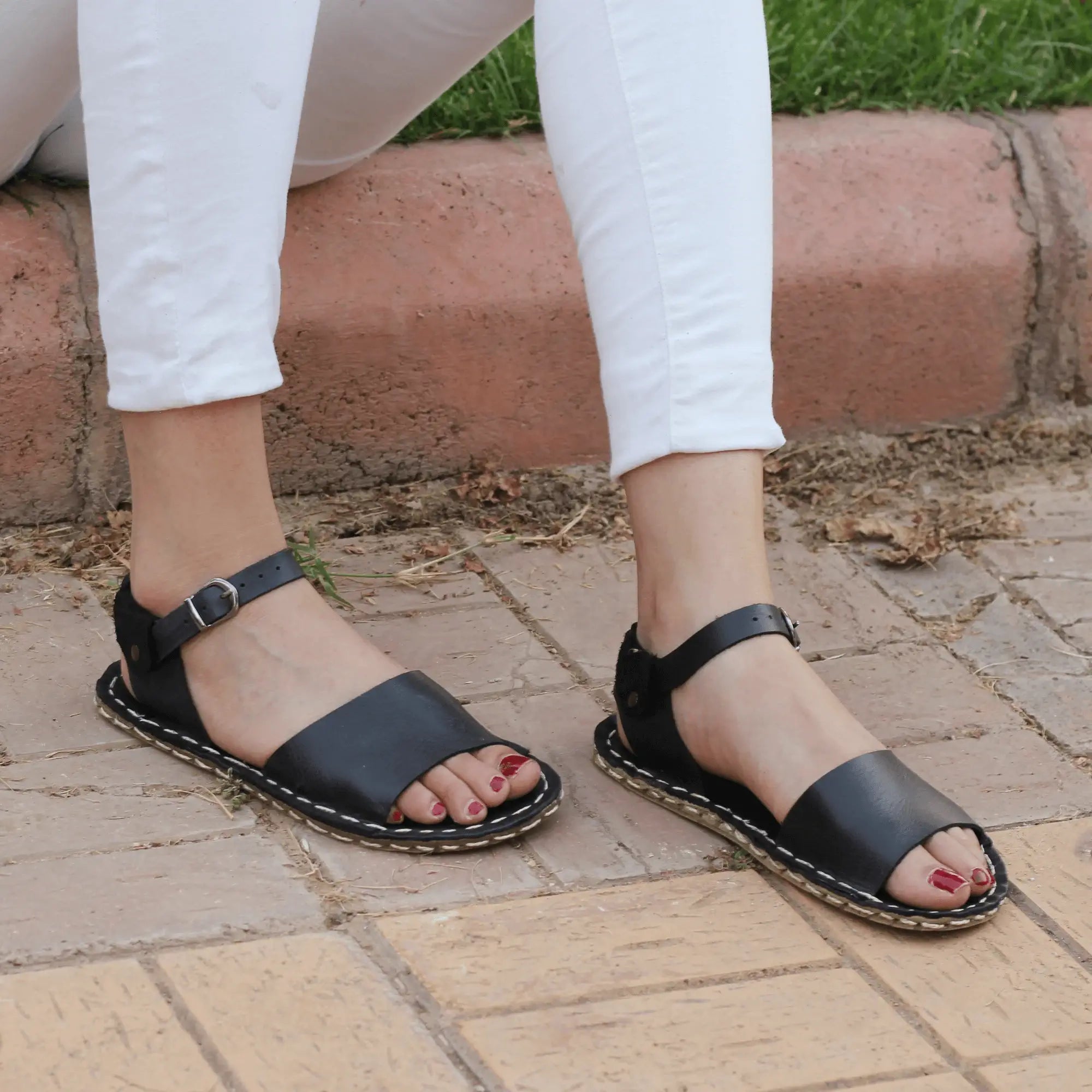
A better shoe should allow your toes to rest in their natural position rather than forcing them into a decorative point. Stand in the shoe and make sure you can gently spread your toes without hitting the sides. There should be space ahead of the longest toe, but length alone is not the measure of comfort.
A foot-shaped, wide toe box gives the forefoot room to load and move. This can feel unfamiliar if you have worn narrow shoes for years. Some people immediately feel relief; others need time to adjust to having more sensory feedback and greater freedom in the foot. That adjustment is normal, but pain is not a requirement.
Zero-drop construction can be a useful companion to a roomy toe box because it keeps the heel and forefoot at the same height. It may help you avoid the forward shift of pressure associated with elevated heels. Still, the transition matters. If you are accustomed to highly cushioned, raised shoes, begin with shorter walks and build gradually. Calves, feet, and ankles may need time to work through a fuller range of motion.
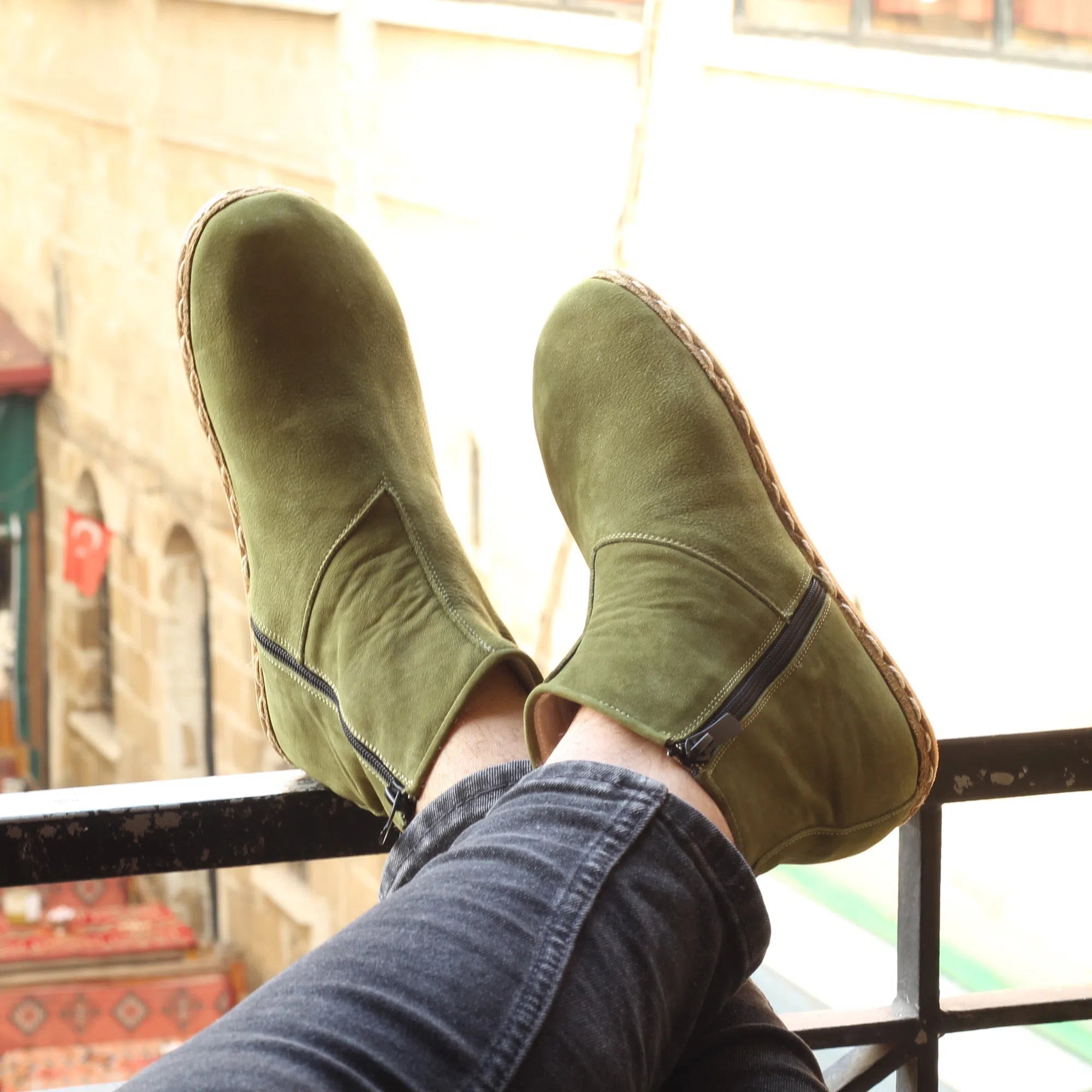
Material matters as well. Breathable natural leather can conform more gracefully than rigid plastic-based uppers while still offering protection. A flexible sole lets the foot bend where it naturally bends. Nefes Shoes pairs handmade leather construction with wide toe boxes and zero-drop designs for people who want their footwear to support natural movement without looking like gym equipment.
Make the Transition Without Overdoing It
Do not trade narrow shoes for an aggressive all-day transition if your feet have been restricted for decades. Wear your roomier shoes around the house, on short errands, or during an easy walk first. Notice how your toes, arches, calves, knees, and lower back respond the next day.
Keep the rest of your footwear honest, too. A spacious everyday shoe cannot fully offset eight hours in a tight work shoe or a narrow dress boot every weekend. If a certain occasion calls for a more structured style, seek one with enough room at the front and limit how long you wear it.
Your feet may also benefit from more time bare at home, as long as the surface and your individual needs allow it. Walking barefoot on safe, varied surfaces can encourage awareness and toe movement. For those drawn to grounding practices, natural leather soles can offer a more direct, less insulated feeling underfoot than thick synthetic construction. Comfort, safety, weather, and terrain should always guide the choice.
Your Feet Do Not Need to Earn Their Freedom
Fashion has spent decades asking feet to become narrower, higher, and less human. You do not have to accept soreness as the price of looking put together. The right shoe should leave room for your toes, your stride, and the quiet strength built into your body.
Start by paying attention at the end of today. Take off your shoes, look at your feet, and ask whether they appear relaxed or relieved to escape. That answer can point you toward footwear that gives your body more room to move as nature intended.