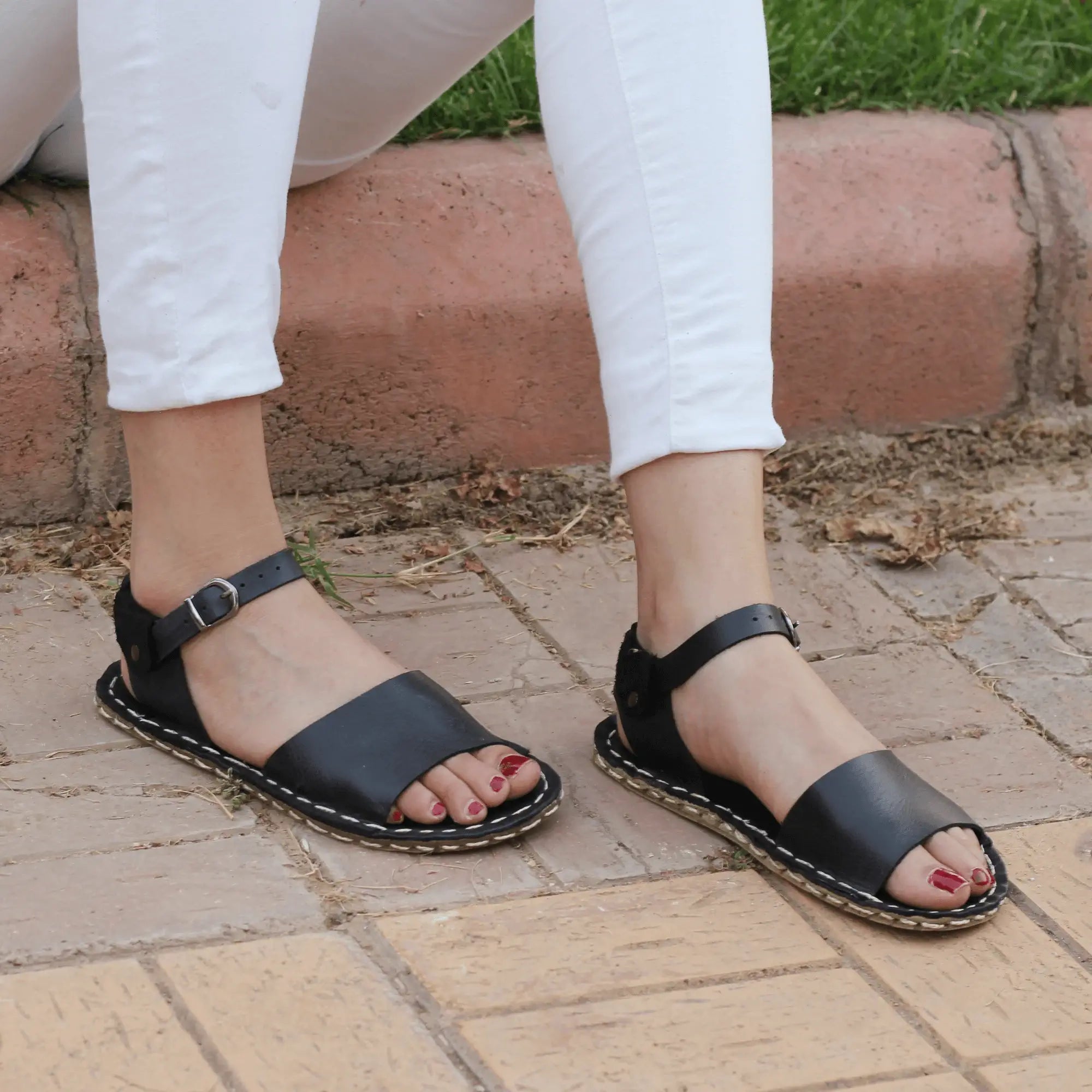
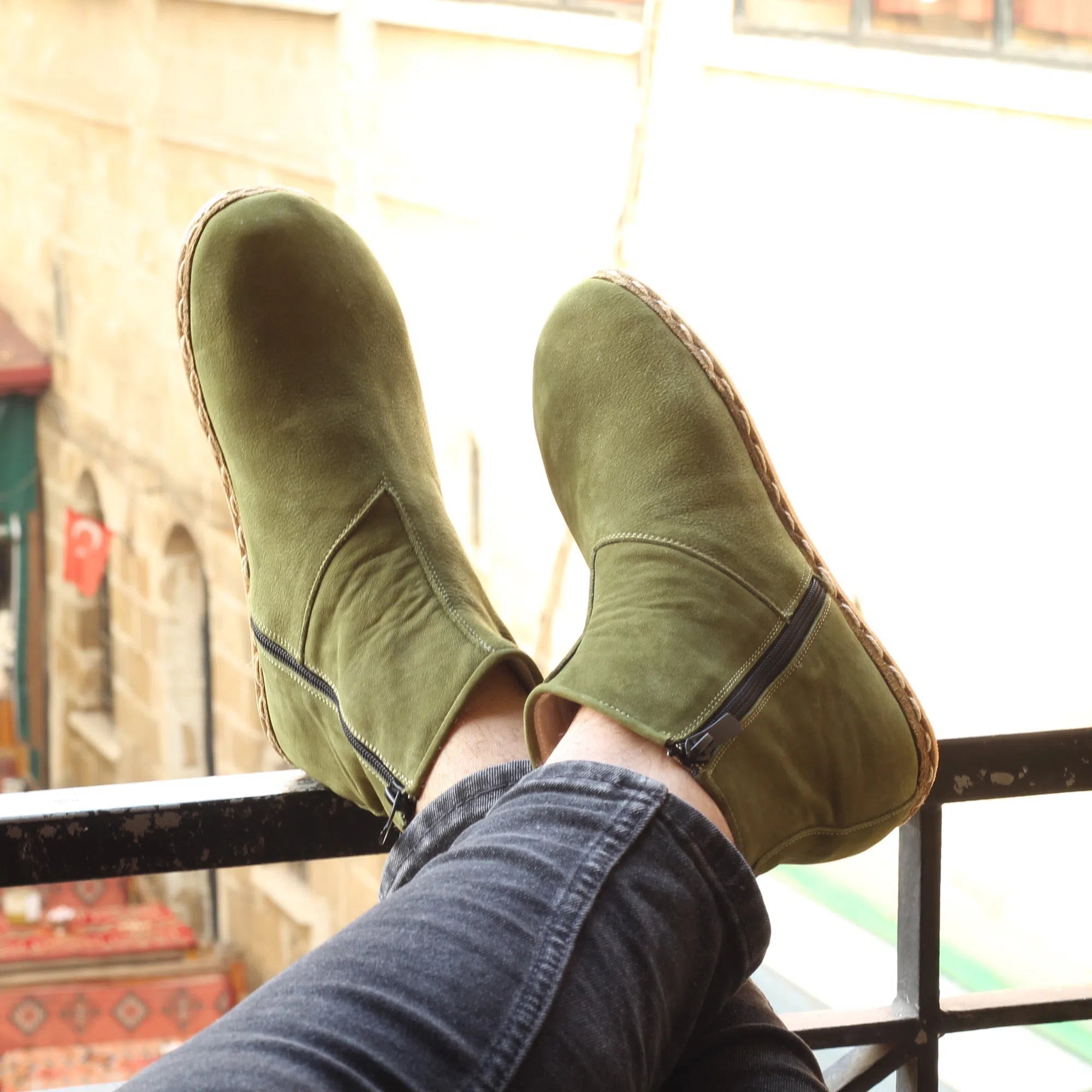
A sandal can look open and still restrict your feet. Stiff soles, raised heels, narrow front straps, and synthetic linings can turn warm-weather footwear into another version of the shoe your body has been trying to escape. Handmade leather sandals offer a different path: natural materials, room for your toes, and a closer connection between your feet and the ground beneath them.
For people who care about natural movement, the difference is not a small detail. Your feet are built to spread, flex, sense, and adapt. They were not designed to spend every sunny day perched on a foam platform or squeezed into a pointed footbed. The right sandal should feel less like a container and more like freedom.
Why Handmade Leather Sandals Feel Different
Mass-produced sandals are usually designed around speed, uniformity, and low-cost materials. That often means glued components, plastic-based footbeds, thick synthetic cushioning, and shapes that favor a sleek appearance over the natural shape of a human foot. They may feel soft at first, yet leave toes crowded, feet sweaty, and movement dulled.
Handmade leather sandals begin with a different set of priorities. Skilled makers work with the material rather than forcing it into a disposable mold. Real leather has character. It can soften with wear, respond to the contours of your feet, and develop a patina that tells the story of where you have walked.
That does not mean every handmade sandal is automatically a healthy sandal. A beautifully stitched upper paired with a narrow toe shape or lifted heel still asks your feet to compromise. Craftsmanship matters most when it supports a design that respects how feet actually function.
The Features That Support Natural Movement
If you are replacing conventional sandals, look beyond color and strap style. The construction under your feet determines whether a sandal supports natural movement or simply disguises restriction with premium materials.
A wide toe box lets toes do their job
Your toes are not decorative. They help stabilize your body with every step, especially when you walk on uneven ground, carry a bag, or move through a long day. A wide toe box gives them space to spread naturally instead of pressing them together.
This is one reason a sandal can feel more secure without being tighter. When your toes can engage, your foot has a broader, more stable base. You should not need to grip the sandal constantly just to keep it in place.
Zero-drop construction keeps your posture honest
A zero-drop sandal places the heel and forefoot at the same height. Traditional raised heels tip the body forward, often shifting how the ankles, knees, hips, and back respond to standing and walking. A level platform allows your body to work from a more natural starting point.
The trade-off is real: if you have worn raised shoes for years, a zero-drop sandal may ask more of your calves and feet at first. Start with shorter walks and let your body adjust. Natural movement is not about forcing a dramatic change in one afternoon. It is about giving your feet the chance to rebuild their role over time.
A flexible sole restores ground awareness
Thick, rigid soles can block the sensory feedback your feet receive from the ground. Flexible soles allow the foot to bend and respond as you walk. That feedback can help you move with more awareness instead of striking the ground with the same heavy pattern on every surface.
For those drawn to grounding practices, natural leather soles offer something synthetic footwear cannot replicate in the same way: a more direct relationship with the earth. Nefes Shoes uses natural buffalo leather soles in selected designs for people who want a handcrafted, earth-connected experience without giving up personal style.
Flexibility does not mean a sandal has no protection. It means the sole bends with your foot rather than insisting that your foot bend around it. The best choice depends on where you walk. City sidewalks, rocky trails, and long hours on concrete may call for more sole thickness than a quiet beach walk or a day at home.
Natural leather breathes with you
Hot weather reveals the downside of synthetic sandals quickly. Plastic-based materials can trap heat and moisture against the skin, leading to sweat, odor, and irritation. Quality leather is naturally breathable and better able to manage changing conditions around the foot.
Leather also becomes more personal over time. A good pair does not remain frozen in its original factory shape. It gradually adapts. That said, leather needs care. Let sandals air out between wears, keep them away from excessive heat, and use an appropriate leather conditioner when they begin to feel dry. A little maintenance is part of owning something made to stay with you.
How to Choose Handmade Leather Sandals for Your Life
There is no single sandal that is perfect for every foot, outfit, or surface. The goal is not to chase a label. It is to find a construction that matches the way you want to move.
Start by looking at the footbed shape. Place your foot over the outline mentally or, when possible, physically. Your toes should sit within the edges without being pushed inward. The widest part of your foot should not hang over the side, and the front should leave enough room that your longest toe is not at the edge.
Next, check the straps. Adjustable straps are especially valuable because feet can change slightly throughout the day in warm weather. They should hold the sandal securely around the midfoot and heel without cutting into the skin. If you must curl your toes to stop the sandal from sliding, the fit or strap placement is wrong.
Then consider the sole for your daily terrain. A thinner sole creates more ground feel and flexibility. A slightly thicker leather sole may suit people who spend more time on pavement or want a little extra buffer. Neither is universally better. What matters is that the sole remains flexible, stable, and level from heel to toe.
Finally, be honest about your transition. If your current footwear has heavy arch support, thick cushioning, or a raised heel, do not expect your feet to feel identical on day one. Wear your new sandals for errands, relaxed walks, or a few hours at a time. Pay attention to how your feet, calves, and posture respond. Mild adaptation is normal; sharp pain is a signal to slow down and reassess.
Style Should Not Require a Foot Compromise
For years, people have been told they must choose between sensible footwear and beautiful footwear. That is a false choice created by an industry that treats narrow, elevated shoes as the default. Handmade leather sandals can carry the visual richness of artisan design while leaving room for the body to move as it was meant to.
A simple leather slide can work with linen trousers, denim, or a relaxed summer dress. A secure ankle-strap sandal can handle travel days and long walks through town. Earthy leather tones age gracefully and pair easily with a wardrobe built around natural fibers, thoughtful pieces, and fewer disposable purchases.
The visual appeal is not separate from the experience. When leather gains a lived-in finish, it becomes more individual. Small variations in texture and tone are not flaws to hide. They are evidence that a real material passed through human hands before it reached yours.
What Good Sandals Ask of You
The right pair will not magically fix every foot issue, and no shoe should make promises your body has not had time to test. But footwear can either interfere with your natural mechanics or give them room to return. That choice matters every time you stand, walk, travel, and spend time outdoors.
Choose handmade leather sandals that give your toes space, keep your heel level, flex with your stride, and let your feet breathe. Then wear them enough to notice what freedom feels like. Your feet have been carrying you all along. They deserve footwear that finally works with them.