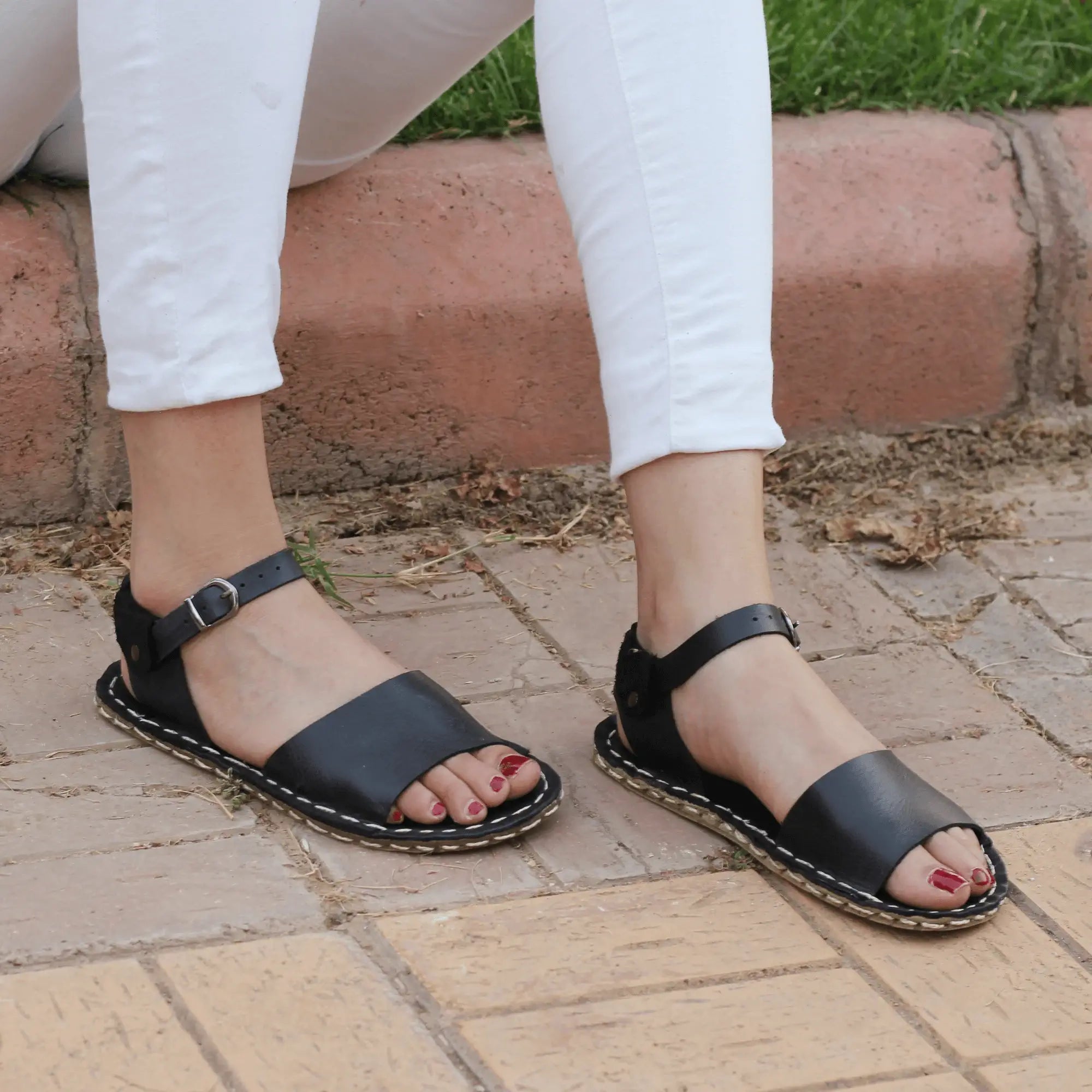
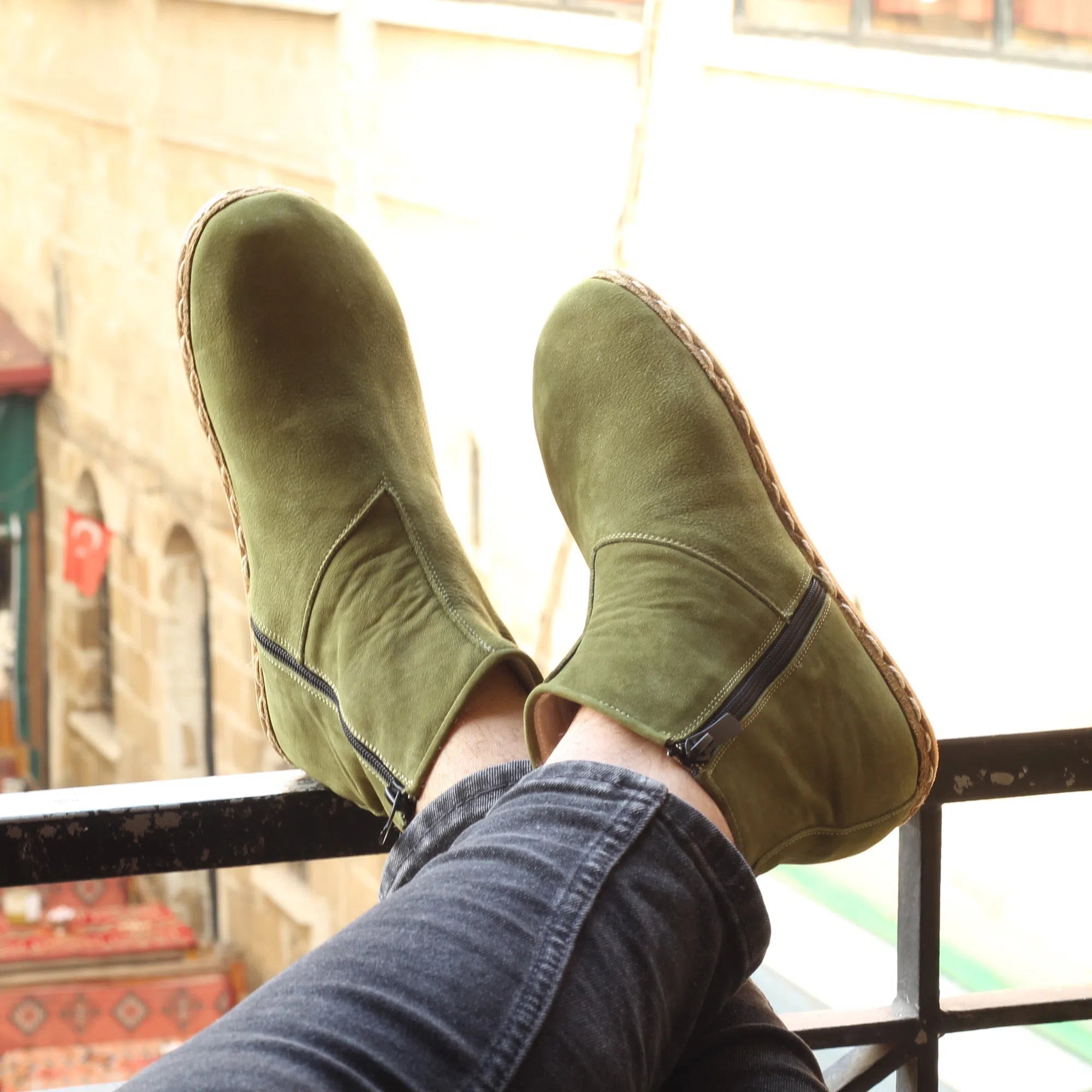
Your toes spread, your heel sits level, and the ground suddenly feels closer. That first walk can be surprising. If you are asking, why do barefoot shoes feel different, the answer is simple: they ask your feet to do more of the work conventional shoes have been doing for them.
For years, many feet live inside elevated heels, narrow toe shapes, thick foam, and stiff soles. That structure can feel familiar because it is familiar, not because it matches the way a human foot is built to move. Barefoot shoes remove much of that interference. The result may feel freeing, strange, energizing, or all three.
Why Do Barefoot Shoes Feel Different From Regular Shoes?
The difference is not one feature. It is the combination of a level platform, room for your toes, a flexible sole, and less material separating you from the ground. Each change affects what you feel with every step.
Traditional shoes often create a contained, cushioned experience. A barefoot shoe is designed to create a more natural one. Instead of holding the foot in a fixed position, it gives the foot space to bend, spread, sense, and adapt.
That can be a welcome relief if your toes have spent years compressed. It can also expose areas of your feet and lower legs that have become used to being supported by padding, rigid soles, or a raised heel. Different does not automatically mean wrong. It often means your body is receiving information it has not been asked to process in a long time.
A zero-drop sole changes your starting position
Zero-drop means the heel and forefoot sit at the same height. There is no built-in slope pushing your weight forward. In a heeled shoe, even a modest rise can alter how your ankles, knees, hips, and torso stack over your feet.
A level sole may make you more aware of your calves, Achilles tendons, and posture at first. Some people notice they take shorter steps or land more gently without trying. Others simply feel more balanced standing in place. Your experience depends on your gait, your activity, and what you normally wear.
The point is not to force a perfect walking style. It is to stop placing your foot on an artificial incline every time you get dressed.
A wide toe box gives your toes their job back
Your toes are not meant to be packed together like they are in a pointed shoe. They help create a stable base, especially when you walk, turn, squat, or stand on uneven surfaces. A wide toe box gives them room to splay naturally.
At first, that extra space can feel almost too roomy. If you are used to your shoe gripping the sides and top of your foot, freedom may register as looseness. But a properly fitting barefoot shoe should feel secure at the heel and midfoot while allowing the toes to relax and move.
This is one of the clearest reasons barefoot shoes feel different: your foot is no longer being shaped by the shoe. The shoe begins to follow the shape of your foot instead.
Thin, flexible soles increase ground feedback
Thick foam dulls sensation. A thinner, flexible sole lets you feel changes in texture, slope, and surface beneath you. You may notice sidewalk seams, grass, packed dirt, or the subtle angle of a driveway in ways you never did before.
That feedback can help you become more deliberate with your steps. Many people naturally slow down, place the foot with more care, and avoid heavy heel striking when they can actually sense the ground. This is not about walking cautiously forever. It is about letting your feet receive useful information again.
Natural leather soles add another layer to that experience. They flex, breathe, and develop character with wear rather than behaving like a thick synthetic barrier. For people drawn to grounding or earthing practices, a natural buffalo leather sole can also feel like a more intentional choice than plastic-heavy footwear. Grounding experiences are personal, and no shoe should be treated as a medical solution, but the desire to feel less insulated from the earth is real.
The Sensations You May Notice During the Transition
A barefoot shoe should not cause sharp pain, numbness, or ongoing joint pain. Those are signs to pause, reassess fit, or speak with a qualified health professional. But temporary muscle awareness is common when you change the way your feet interact with the ground.
You may feel your arches working harder, your toes gripping and releasing more, or your calves becoming more noticeable after a longer walk. Your feet may also feel tired in a new way. That is not necessarily a problem. It can simply mean small muscles are being invited back into the conversation.
How quickly you adjust depends on several factors: how stiff or supportive your previous footwear was, how active you are, whether you have an old injury, and how much time you spend standing or walking. There is no prize for making the switch overnight.
Start with time, not mileage
The most useful transition strategy is modest exposure. Wear barefoot shoes for short walks, errands, or time around the house before choosing them for a full day on hard city sidewalks. Let comfort guide the increase.
If your feet and calves feel pleasantly worked but recover normally, you can gradually add time. If soreness lingers, reduce the duration and build more slowly. Alternating between footwear styles during the adjustment period is not failure. It is a practical way to respect your body.
Pay attention to fit as well. Barefoot shoes need enough length for the toes to move without hitting the front, enough width for natural splay, and a secure heel. A shoe that is too short, too narrow, or sliding at the heel will feel wrong no matter how minimalist its design is.
Why Less Shoe Can Feel More Comfortable
Conventional footwear often defines comfort as softness. But softness and comfort are not identical. A thick, soft sole can feel pleasant in a store while still leaving your toes restricted or your foot disconnected from the surface beneath it.
Barefoot comfort is often more active. It comes from space instead of squeeze, flexibility instead of forced rigidity, and a level foundation instead of a raised heel. It may not deliver the pillowy sensation of a heavily cushioned sneaker. What it can offer is a feeling of being less confined.
That distinction matters for people who are tired of shoes that look polished but leave their feet hot, cramped, or fatigued. All-leather construction can support a different kind of daily comfort too. Quality leather adapts over time, allows airflow, and gains a lived-in character that synthetic uppers rarely match. Handmade construction adds the human detail mass-produced shoes tend to erase.
Nefes Shoes is built around that idea: footwear can be distinctive enough for real life while still making room for natural movement. You do not have to choose between a shoe that respects your feet and a shoe you actually want to wear.
Barefoot Shoes Feel Different Because They Are Different
Not every barefoot shoe will suit every person or every situation. Long work shifts on concrete, hiking terrain, climate, existing foot conditions, and personal preference all matter. Some people prefer a gradual transition or a slightly more protective sole for certain activities. Natural movement is not a rigid rulebook.
Still, the central shift is worth understanding. Barefoot shoes do not try to correct your foot into a fashionable shape or cushion every signal away. They make room for the foot you already have.
Give yourself permission to notice the difference. Feel your toes spread inside the shoe. Feel your heel meet the ground without a lift beneath it. Let your first steps be curious rather than rushed. Your feet have carried you through every version of your life. They deserve footwear that gives them room to move.