If you care about grounding, the wrong shoe can cancel out the whole point before you even leave the house. Thick foam, plastic-heavy soles, raised heels, and cramped toe boxes do more than block the ground - they also interfere with how your body moves. So if you are asking what shoes to wear for grounding, the real answer starts with this: choose footwear that lets your feet behave like feet and lets natural materials do their job.
That rules out most conventional shoes immediately. The modern shoe industry has spent decades lifting the heel, stiffening the sole, and wrapping the foot in synthetic layers. It may be common, but common does not mean healthy. Grounding shoes take the opposite path. They strip away what gets between your body and the earth, and they support a more natural stride while they do it.
What shoes to wear for grounding, really?
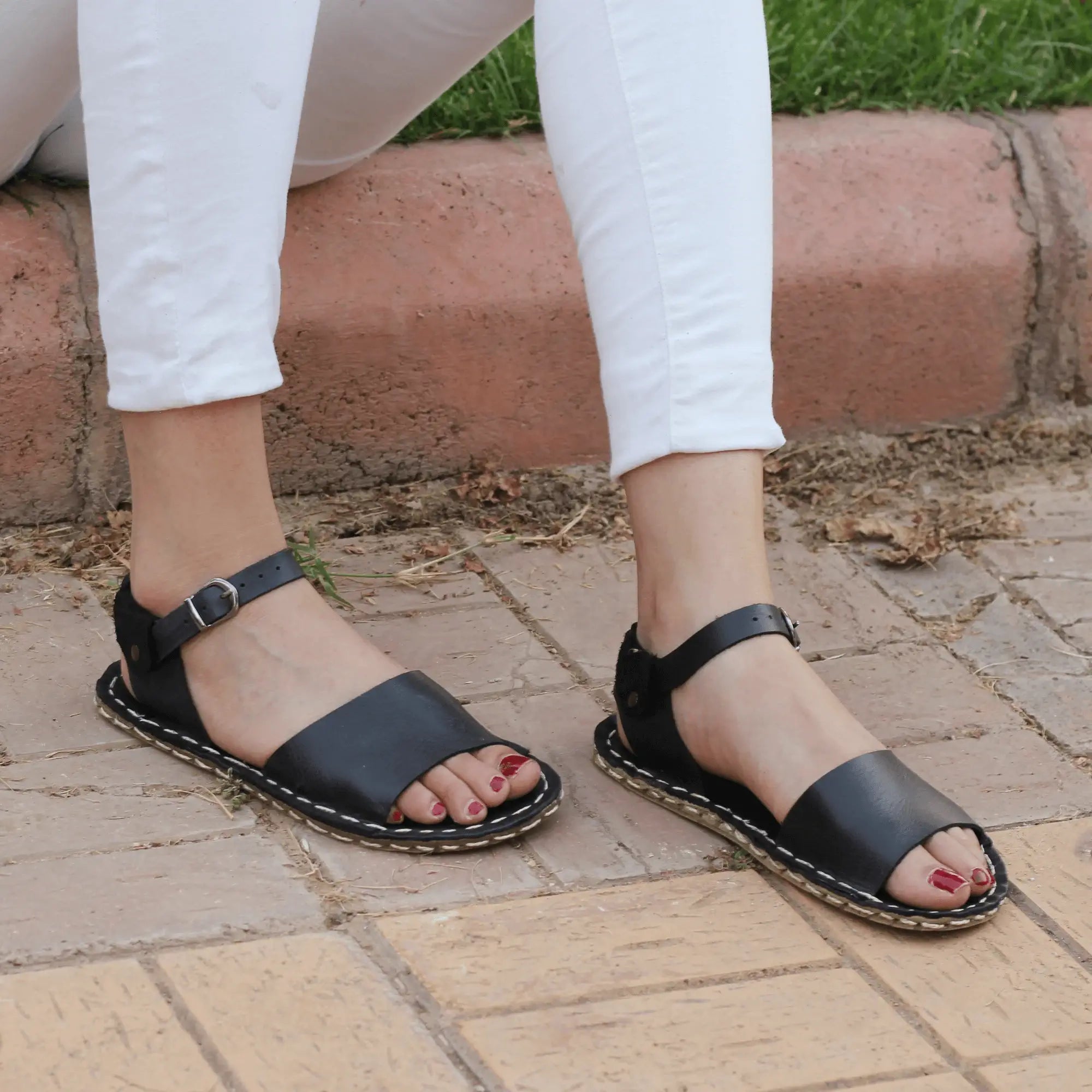
The best grounding shoes are minimalist, flexible, and made with natural materials, especially leather soles that allow conductivity and close contact with the ground. They should also have a zero-drop shape, so your heel and forefoot sit level, and a wide toe box, so your toes can spread naturally instead of being squeezed together.
That combination matters for two reasons. First, grounding is about connection. If your sole is built from thick synthetic rubber or foam, you create more separation between your body and the earth. Second, foot health is mechanical. Even if a shoe claims to support wellness, it is working against you if it forces your feet into an unnatural position.
A grounding shoe should feel less like a cast and more like a second skin. You want enough structure to protect your foot from rough surfaces, but not so much that the shoe takes over the job your muscles and joints were designed to do.
The features that make a grounding shoe worth wearing
Natural sole materials matter most
If grounding is your goal, sole material is the first thing to check. Leather is one of the most appealing options because it is natural, breathable, and far less insulating than the dense synthetic compounds used in mainstream footwear. A natural buffalo leather sole, in particular, offers a more direct and traditional connection to the ground while still feeling durable and refined.
This is one of the clearest trade-offs in grounding footwear. Synthetic soles often last longer on abrasive pavement and perform well in wet conditions, but they create more separation from the earth. Leather soles feel more alive underfoot and align better with grounding principles, yet they may require a little more care and are best appreciated by people who value feel, not just brute durability.
Flexibility keeps the foot awake
A grounding shoe should bend with your foot. If the sole is stiff, your foot cannot sense the surface properly, and your gait changes. Flexible shoes allow the foot to articulate, adapt, and respond, which is part of what makes walking feel natural again.
That sensory feedback matters. Your feet are packed with nerve endings, and when a shoe dulls that feedback, your body loses useful information. Flexible grounding shoes restore more of that conversation between your feet and the ground.
Zero-drop design supports alignment
Raised heels are standard in modern footwear, but they shift the body forward and can throw off posture from the ankles all the way up to the neck. A zero-drop shoe keeps your foot level, which supports a more natural stance and walking pattern.
This does not mean every person should switch overnight from heavily cushioned shoes to the thinnest option available. If you are used to elevated heels and rigid support, a gradual transition is usually smarter. But for grounding, level footing is the direction that makes sense.
A wide toe box is not optional
Toes are supposed to spread. That is how the foot stabilizes, balances, and absorbs impact. Narrow shoes weaken that process by compressing the forefoot into an unnatural shape. If you are serious about natural movement, a wide toe box is not a luxury feature. It is basic respect for human anatomy.
Grounding and toe freedom go together. A connected foot is not just touching the earth through the sole. It is also moving in a way the body recognizes as natural.
What shoes to avoid for grounding
If you are trying to figure out what shoes to wear for grounding, it helps to be just as clear about what not to wear. Most athletic shoes are built with thick foam midsoles, synthetic rubber outsoles, structured arch support, and a noticeable heel rise. Those features may be marketed as comfort, but they often reduce feel, restrict natural mechanics, and place more material between you and the ground.
You should also be cautious with shoes labeled minimalist if they still rely on plastic-heavy construction or narrow shapes. Minimalist styling is not the same as grounding function. A shoe can look simple and still be made from materials that isolate your foot.
Another common mistake is choosing shoes that are technically conductive but still shaped like conventional footwear. If the heel is raised and the toe box is tapered, you are still dealing with a shoe that works against natural posture and toe splay.
Best types of grounding shoes for everyday wear
The right category depends on your lifestyle, climate, and how much ground feel you want.
Grounding sandals are the most obvious warm-weather option. They allow excellent airflow and can provide a very direct sense of contact, especially when built with thin natural soles. They work well for casual daily wear, short walks, and people who want the least material possible between foot and earth.
Leather grounding moccasins and slippers make sense for indoor use or light outdoor wear. They are especially appealing if your goal is to avoid synthetic house shoes and stay connected while spending time at home. For many people, this is the easiest place to start, because they can replace one isolating habit right away.
Minimalist leather sneakers and casual shoes are often the sweet spot for everyday life. They offer more coverage and style versatility while still supporting zero-drop posture, flexibility, and natural toe spread. If you want one pair that can move from errands to travel to daily walks, this category is often the most practical.
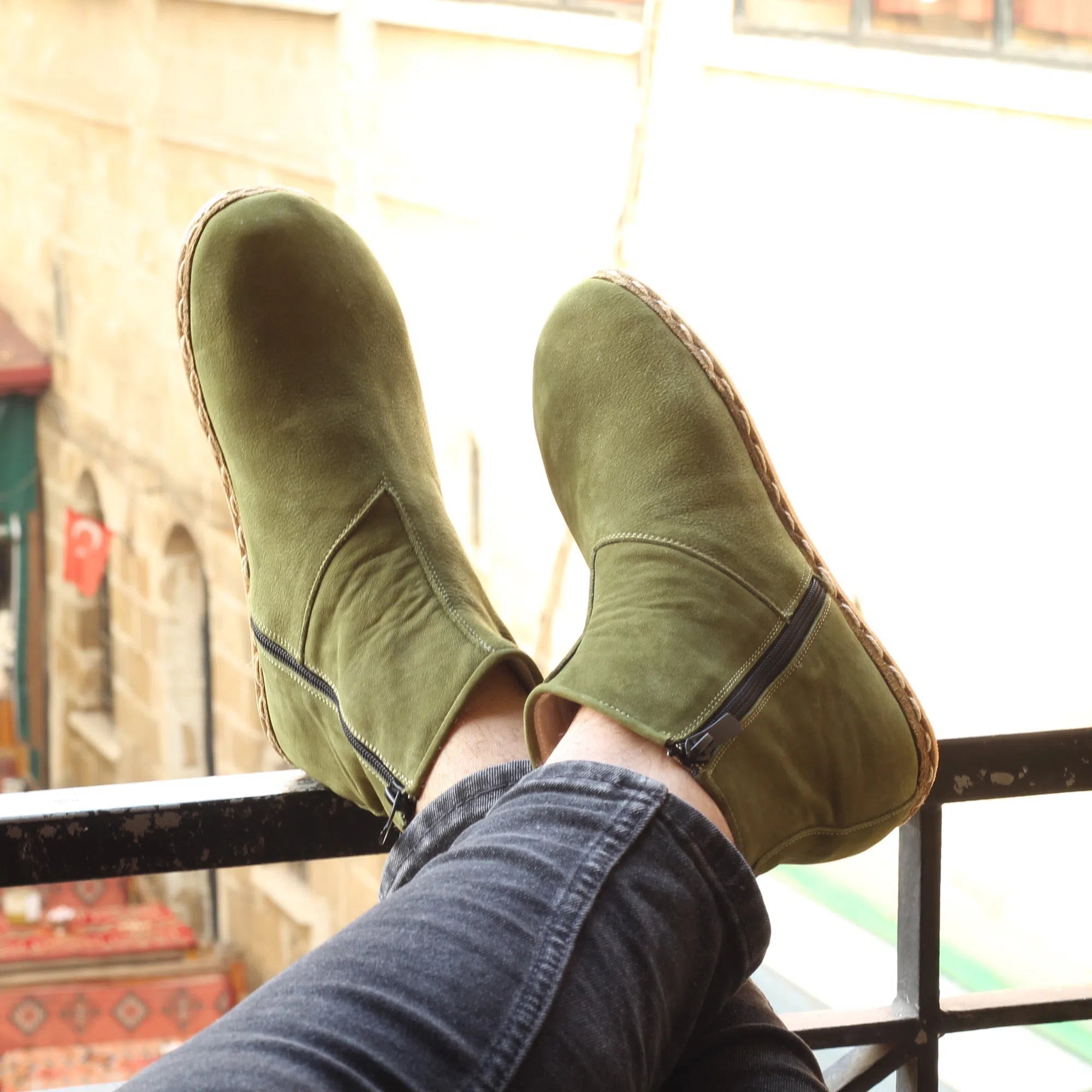
Grounding boots can work well too, especially in cooler weather, but the design matters. Once a boot becomes too thick, too stiff, or too structured, it starts to lose the qualities that make grounding footwear worthwhile. Protection is useful. Overbuilding is not.
How to choose the right grounding shoe for your body
There is no single perfect answer for everyone, because your feet, habits, and environment all matter. If you are new to barefoot-style footwear, start with a shoe that gives you flexibility and toe room without feeling harsh. Some people thrive in very thin soles right away. Others need a more gradual shift while their feet and calves adapt.
Think about where you will wear the shoes most. City sidewalks, office floors, trails, and home use all place different demands on the sole. A leather-soled shoe can feel extraordinary for natural movement and earth connection, but your day-to-day environment should guide how minimal you go.
Fit is equally important. Grounding shoes should feel secure, but never tight. Your toes should not touch the front of the shoe when you walk, and they should not be pressed inward from the sides. If the shoe looks stylish but your forefoot feels trapped, it is the wrong shoe.
This is where handmade construction stands apart. Mass-market shoes are built around efficiency. Better grounding shoes are built around the foot itself. When natural materials, flexible design, and thoughtful shaping come together, the result feels different immediately.
Do grounding shoes work on every surface?
Not equally. Grounding is most intuitive outdoors on natural surfaces like soil, grass, sand, and untreated stone. Conductive shoes can still be worn on urban surfaces, but the overall experience depends on the material underfoot and the construction of the shoe.
That does not make grounding footwear useless in daily life. It simply means expectations should be realistic. A shoe can support natural movement all day long, and that alone is a meaningful step away from conventional footwear. The grounding aspect becomes strongest when the sole material and the surface beneath you allow for it.
For people who want both wellness function and daily wearability, this balance is exactly the point. You do not need to live off-grid to choose better shoes. You just need to stop accepting designs that separate you from your own body.
Nefes Shoes was built around that belief: that health begins with the feet, and that natural leather, zero-drop design, and handcrafted construction still matter in a world flooded with foam and plastic.
The best grounding shoe is not the one with the loudest claim. It is the one that respects your anatomy, uses honest materials, and helps you feel the ground instead of hiding from it. Start there, and your feet will tell you what they have been missing.