Your first minimalist walk may feel surprisingly different before it feels good. The ground seems more present. Your toes want room. Muscles that conventional shoes have quietly ignored may start asking for attention. This beginner minimalist walking guide is not about forcing your body to toughen up. It is about giving your feet time to return to the work they were built to do.
Conventional shoes often hold the foot in a narrow, raised, heavily cushioned position. Minimalist footwear takes the opposite view: let the toes spread, keep the heel level with the forefoot, and reduce the material between you and the ground. That freedom can feel powerful, but freedom without patience can lead to sore calves, tender soles, or an overworked Achilles tendon.
What Minimalist Walking Changes
Minimalist walking is walking in shoes designed with a wide toe box, a zero-drop sole, and a flexible construction. A wide toe box gives your toes space to splay rather than stack and squeeze together. Zero drop means there is no elevated heel pushing your body forward. A flexible sole allows the foot to bend and respond to the surface beneath it.
The goal is not to make every step feel hard or exposed. It is to let your feet receive better feedback from the ground and move with less interference. Many people notice that they begin taking shorter, quieter steps. They may also become more aware of posture, ankle movement, and how much they are striking the ground.
That awareness is useful, but it also explains why the transition deserves respect. Thick, stiff shoes can do some of the work for your feet. When you remove that structure, your muscles and connective tissues need time to adapt.
Start With the Right Walking Shoe
A minimalist shoe should feel spacious from the first try-on. Your toes should not touch or press against the front, and the widest part of your foot should sit comfortably in the widest part of the shoe. Do not size down in pursuit of a sleek look. A compressed foot is still a compressed foot, even if the sole is thin.
Look for a level platform, flexible sole, and materials that feel comfortable against bare skin or a thin sock. Natural leather can be an especially appealing option because it is breathable, durable, and gradually shapes to the foot. Handmade leather footwear also brings a character that synthetic athletic shoes rarely offer: it can support a natural lifestyle without looking like gym equipment.
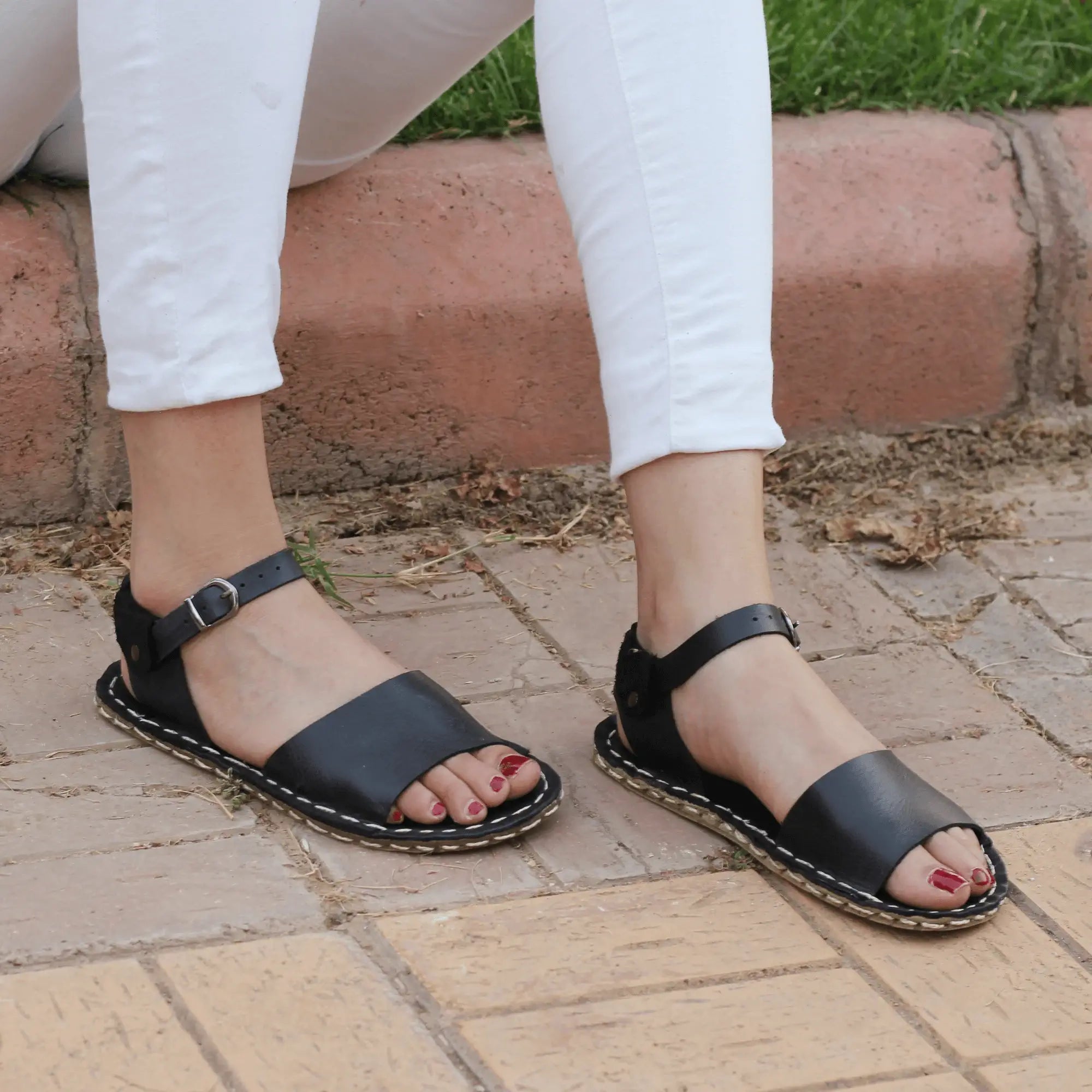
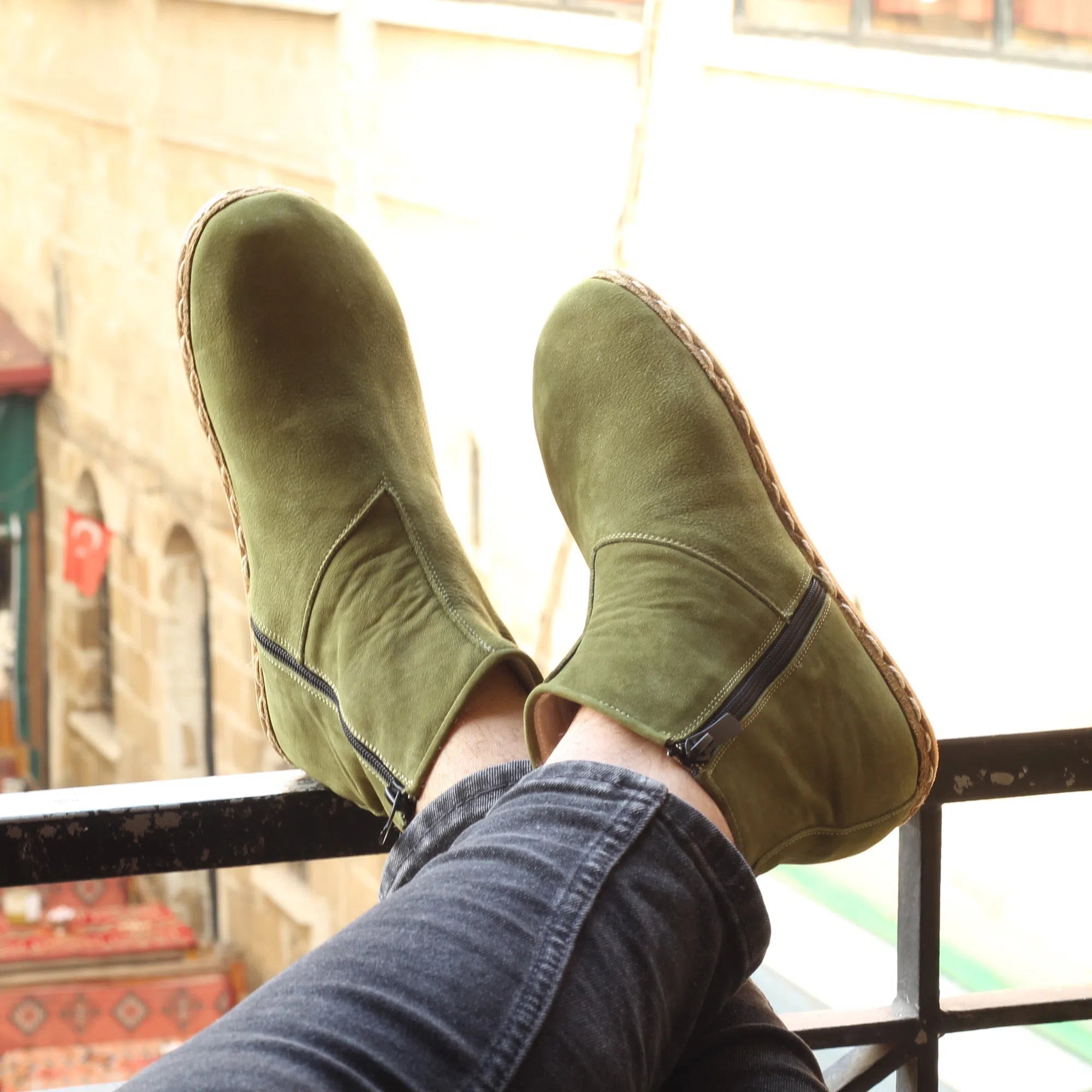
For beginners, the best choice depends on where you walk. A flexible leather moccasin or sneaker may be ideal for sidewalks, errands, and daily wear. A boot can offer more coverage in colder weather or on rougher paths. Sandals give the foot maximum openness, but they may require more toe control and may not be the easiest first option for long walks.
Your First Two Weeks: Less Is More
The most common beginner mistake is treating minimalist shoes like conventional walking shoes on day one. You may feel energized by the new freedom, then take a five-mile walk and spend the next week nursing tight calves. Start small enough that your body can adapt without protest.
For the first week, wear your minimalist shoes for 15 to 30 minutes of easy walking at a time. Use them around the house, on a flat neighborhood route, or while running a quick errand. Pay attention to how your feet, calves, ankles, and arches feel later that day and the following morning.
During the second week, add time gradually if you feel good. A practical increase might be five to 10 minutes every few walks, not every day. If you already walk frequently, resist the urge to match your old mileage immediately. Fitness in one type of shoe does not always equal readiness in another.
Mild muscle fatigue can be normal. Sharp pain, limping, swelling, numbness, or pain that worsens with each walk is not a signal to push through. Return to a shorter duration, rest as needed, and consider speaking with a qualified healthcare professional if discomfort persists.
How to Walk Naturally in Minimalist Shoes
You do not need to obsess over a perfect walking technique. In fact, trying to manufacture every movement can create unnecessary tension. Instead, use a few simple cues that encourage a lighter, more natural stride.
Stand tall with your ribs stacked over your hips and your gaze ahead, not down at your feet. Let your arms swing naturally. Take slightly shorter steps than you might in a heavily cushioned shoe. Overstriding - placing the foot far ahead of the body - often creates a harder heel strike and more braking force.
Aim for a quiet landing. That does not mean you must land on your forefoot while walking. Many healthy walkers touch down with the heel first. The difference is that the heel lands softly, close to the body, and the foot rolls forward without a heavy slap. Your entire foot should have a chance to participate in the step.
Let your toes relax and spread. Do not claw at the ground or grip the inside of the shoe. A wide toe box gives you room, but it cannot help much if your toes stay tense all day.
Build Foot Strength Outside Your Walks
Walking is the main practice, but a few minutes of simple movement can make the transition feel more controlled. Think of this as reconnecting with the smaller muscles in your feet, not punishing them with a complicated workout.
Try spending a few minutes barefoot at home on safe, comfortable surfaces. Practice slowly lifting your heels while keeping your toes relaxed. Balance on one foot near a wall or counter. Gently spread your toes, then release them. These small movements can improve awareness without demanding too much too soon.
Calf mobility matters, too. Raised heels can leave the calves accustomed to a shortened position. Gentle calf stretches after walking may help you feel more comfortable, especially in the first few weeks. Keep stretching easy and controlled. Pain is not proof of progress.
Choose Terrain With Intention
Flat, predictable ground is the smartest place to begin. Smooth sidewalks, indoor floors, and packed trails allow you to focus on your stride without constantly reacting to rocks, roots, or steep grades.
As your feet adapt, uneven terrain can become one of minimalist walking's greatest teachers. It asks your ankles and toes to make small adjustments, and it gives your body more sensory information. But uneven terrain also increases demand. A rocky trail, steep descent, or long beach walk may be a later-stage adventure, not a first-week test.
Weather matters as well. Cold can make feet feel stiff, while hot pavement can be unforgiving in thin soles. Choose footwear and routes that fit the conditions. Minimalism is not about proving toughness. It is about moving intelligently with less between your body and the world.
Common Transition Problems and What They Mean
Tight calves are among the most common complaints, especially for people used to heeled shoes. Usually, the answer is reduced walking time, gradual mobility work, and patience. Trying to stretch aggressively or adding more miles often makes the problem worse.
Tender soles may mean you have increased time or terrain difficulty too quickly. Your feet are learning to process more ground feedback. Give them a chance. Choose smoother surfaces for a few walks, then progress again when tenderness settles.
If your toes still feel cramped, check more than the shoe label. Your feet may swell during the day, and different brands shape their toe boxes differently. A shoe that feels fine while sitting can feel restrictive after 30 minutes of walking. Fit should be judged in motion, not only in front of a mirror.
Let the Transition Be Personal
There is no medal for switching overnight. Some people adapt comfortably within a few weeks; others need several months, particularly after years in narrow shoes, high heels, or heavily structured sneakers. Your work schedule, walking history, terrain, and previous injuries all matter.
Nefes Shoes are made for people who want more than a trend. Handmade leather, a wide toe box, zero-drop construction, and a natural buffalo leather sole reflect a different idea of what footwear should do: protect the foot without silencing it. The right shoe can support the process, but your pace is what makes the process sustainable.
Walk a little. Listen closely. Then walk again when your body is ready. Each patient step is a vote for stronger feet, freer toes, and a more honest relationship with the ground beneath you.