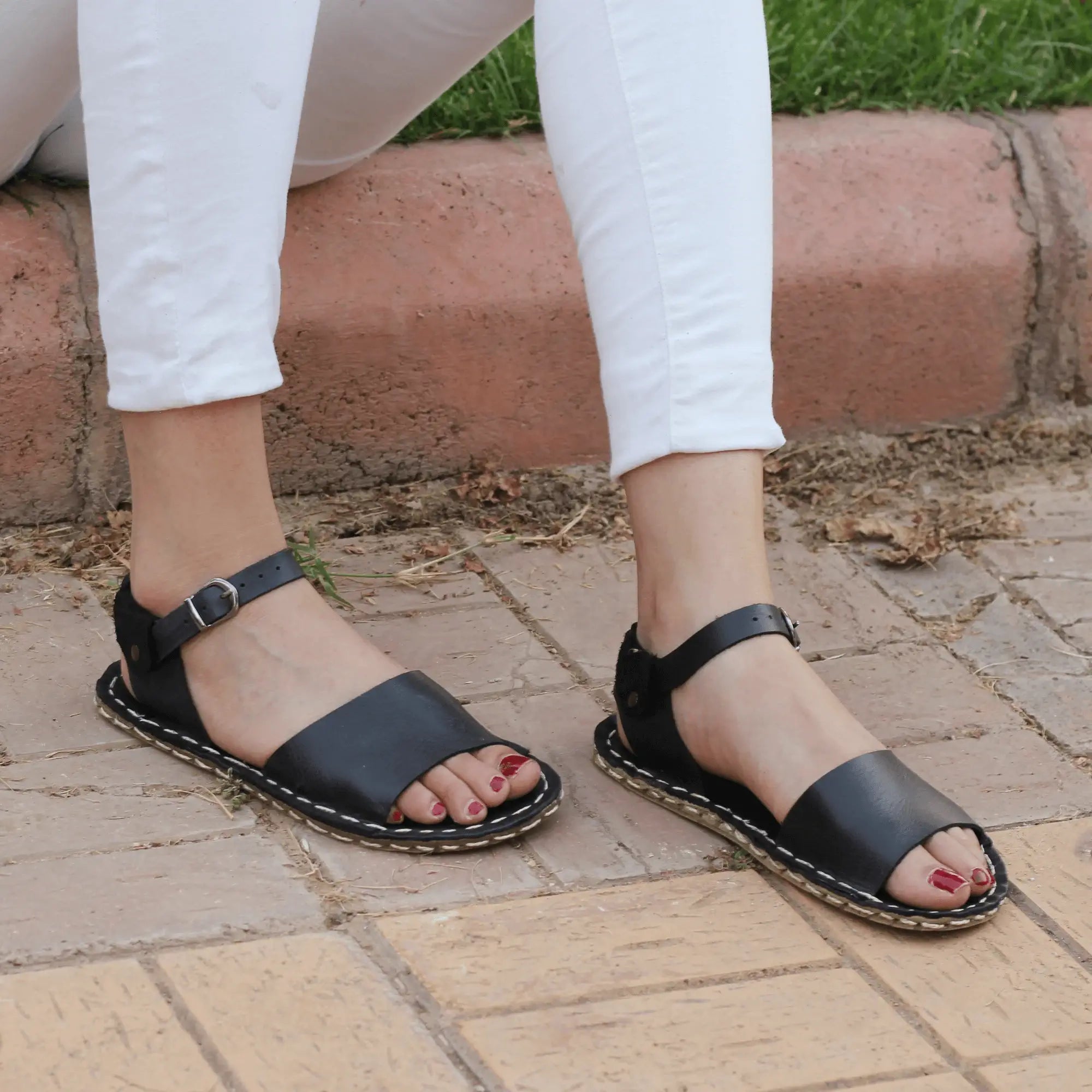
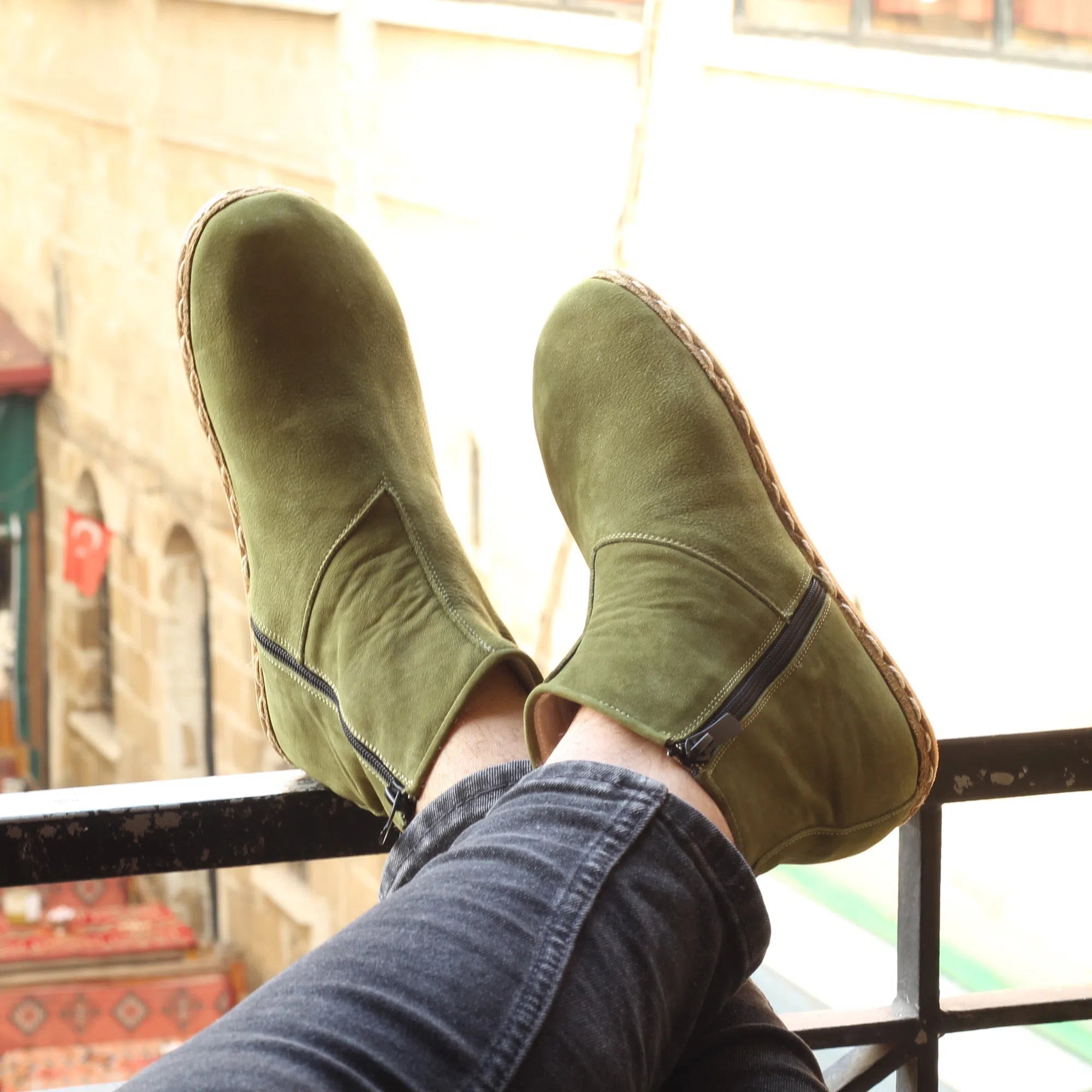
A sandal can feel wonderfully open and still interfere with the way you walk. Thin straps alone do not create freedom. If the sole is stiff, the heel is raised, or your toes must grip to keep the shoe on, each step can become a small compromise. So, can sandals support natural gait? Yes, but only when their shape and construction let the foot do the work it was designed to do.
Natural gait is not a trend or a performance trick. It is the coordinated motion of your heel, arch, ankle, toes, knees, and hips as you move across the ground. The right sandal does not force that motion. It makes room for it.
Can Sandals Support Natural Gait?
They can, provided the sandal stays out of the foot's way. A supportive sandal is not necessarily one with the most padding, highest arch, or thickest platform. Those features may be useful in certain clinical situations, but they can also change how the foot receives feedback, bends, and stabilizes.
For everyday walking, a natural-gait sandal generally has four defining qualities: a level sole, enough width through the toe area, flexibility under the foot, and secure straps that do not make the toes claw for purchase. Together, these details allow a more natural sequence: the heel or midfoot meets the ground, weight moves forward, the toes spread and bend, and the foot pushes off without being trapped in a rigid mold.
That does not mean every person should immediately switch to the thinnest sandal available. Feet that have spent years in structured shoes may need time to rebuild tolerance. Natural movement is a practice, not a dare.
The Design Details That Change Every Step
Zero drop keeps the foot level
A zero-drop sandal places the heel and forefoot at the same height. This matters because a raised heel shifts body weight forward and can alter ankle position, calf length, and the way force travels up the legs. A level platform gives your body the opportunity to stand and walk without an artificial slope beneath it.
Zero drop is not a magic fix for posture or pain. Walking habits, mobility, strength, and old injuries all matter. But removing the built-in heel is a meaningful first step for people who want footwear that works with natural alignment rather than constantly tipping it forward.
A wide toe box protects toe splay
Your toes are not meant to live in a pointed row. They widen as they bear weight, helping create a stable base at push-off. Many conventional sandals appear open at the front yet still taper inward, leaving the big toe pressed toward the second toe and the smaller toes with little room to participate.
Look for a foot-shaped sole that follows the natural outline of the foot rather than a fashion-shaped sole that narrows at the front. When toes can spread, bend, and grip naturally, the foot has a better chance to stabilize itself with every step. It also tends to feel less cramped on warm days, when feet naturally expand.
Flexibility lets the foot bend
A sandal sole should bend where your foot bends, near the ball of the foot. If it feels like a board, your foot has to work around the shoe instead of through a normal stride. Excessive stiffness can reduce sensory feedback and make a simple walk feel more mechanical.
Flexibility does not mean flimsiness. Quality leather and thoughtful construction can create a sandal that is supple, durable, and protective without turning the sole into a platform that dictates your movement. Natural buffalo leather, for example, brings a grounded, tactile quality that synthetic foam often cannot match.
Secure straps prevent toe gripping
This is where many otherwise minimal sandals fail. A loose flip-flop may be flat and flexible, but if it slides with each step, you may curl your toes to hold it on. That gripping can change your gait and create unnecessary tension through the foot and lower leg.
A well-designed sandal should hold the heel and midfoot securely while leaving the toes free. Adjustable straps are especially valuable because feet vary in volume and can swell throughout the day. The goal is secure, not squeezed. If the straps leave deep marks, rub the skin, or force the foot to perch on a narrow footbed, the fit is working against you.
Thin Soles, Ground Feel, and Real-World Protection
Ground feel is one reason people choose barefoot sandals. Feeling variations in the surface underfoot gives the nervous system useful information about balance, pressure, and placement. A thinner sole can make walking feel more connected and responsive than heavily cushioned footwear.
Yet thinner is not always better in every setting. Sharp gravel, long days on hard concrete, extreme heat, and unfamiliar trails may call for more protection than a very minimal sole offers. The best choice depends on where you walk, how conditioned your feet are, and what your body is telling you.
Think of protection as a spectrum rather than a contest. You do not need to prove anything by ignoring discomfort. A sandal that preserves flexibility and toe room while providing enough material for your environment can be the smarter long-term choice.
Why Materials Matter in a Natural-Gait Sandal
The material beneath and around your foot affects more than appearance. Synthetic straps and foam footbeds can trap heat, encourage sweat, and wear into a shape that no longer supports a stable fit. Natural leather is breathable, adaptable, and capable of molding gradually to the individual contours of the foot.
Handmade leather sandals also carry a different intention from mass-produced footwear. The aim is not to compress every foot into an identical shape. It is to create a durable, beautiful base that can soften with wear and become more personal over time. At Nefes Shoes, that philosophy includes leather construction and natural buffalo leather soles designed for people who want to feel closer to the ground, not insulated from it.
For those drawn to grounding or earthing practices, leather-soled sandals offer a more natural material between foot and earth than heavily layered synthetic footwear. The experience is personal, and it should never replace medical care or be presented as a cure. But for many people, the simple sensation of walking outdoors with less between the body and the ground is reason enough.
Transitioning Without Turning Freedom Into Strain
If you are used to stiff, supportive, or heeled shoes, give your feet a gradual transition. Start by wearing natural-gait sandals for short walks, errands, or time around the house. Pay attention to calf tightness, arch fatigue, pressure points, and how your toes behave inside the sandal.
Mild muscle fatigue can be part of asking underused tissues to work again. Sharp pain, numbness, persistent soreness, or worsening symptoms are signals to stop and reassess. A slower transition, a slightly more protective sole, or guidance from a qualified clinician may be appropriate, particularly if you have diabetes, neuropathy, significant foot deformities, or a history of injury.
It also helps to build capacity outside your sandals. Spend a few minutes each day spreading your toes, lifting the big toe independently, balancing on one foot, and gently mobilizing the ankles. These small practices can make a bigger difference than chasing the most minimal shoe on the market.
A Simple Fit Check Before You Walk Out the Door
Stand in the sandals rather than judging fit while seated. Your toes should sit fully on the sole with room around their natural shape. Walk across a hard floor and notice whether the heel stays centered, whether your toes curl to hold the sandal, and whether the sole bends comfortably at the ball of your foot.
Then listen to the quieter signs. Do your feet feel relaxed? Can your toes move? Does your stride feel shorter, noisier, or more guarded than it does barefoot? The right sandal should make you less aware of managing your footwear and more aware of moving freely.
Your feet have carried you through every version of your life. Give them a sandal that respects their shape, lets them feel the ground, and leaves room for each honest step forward.