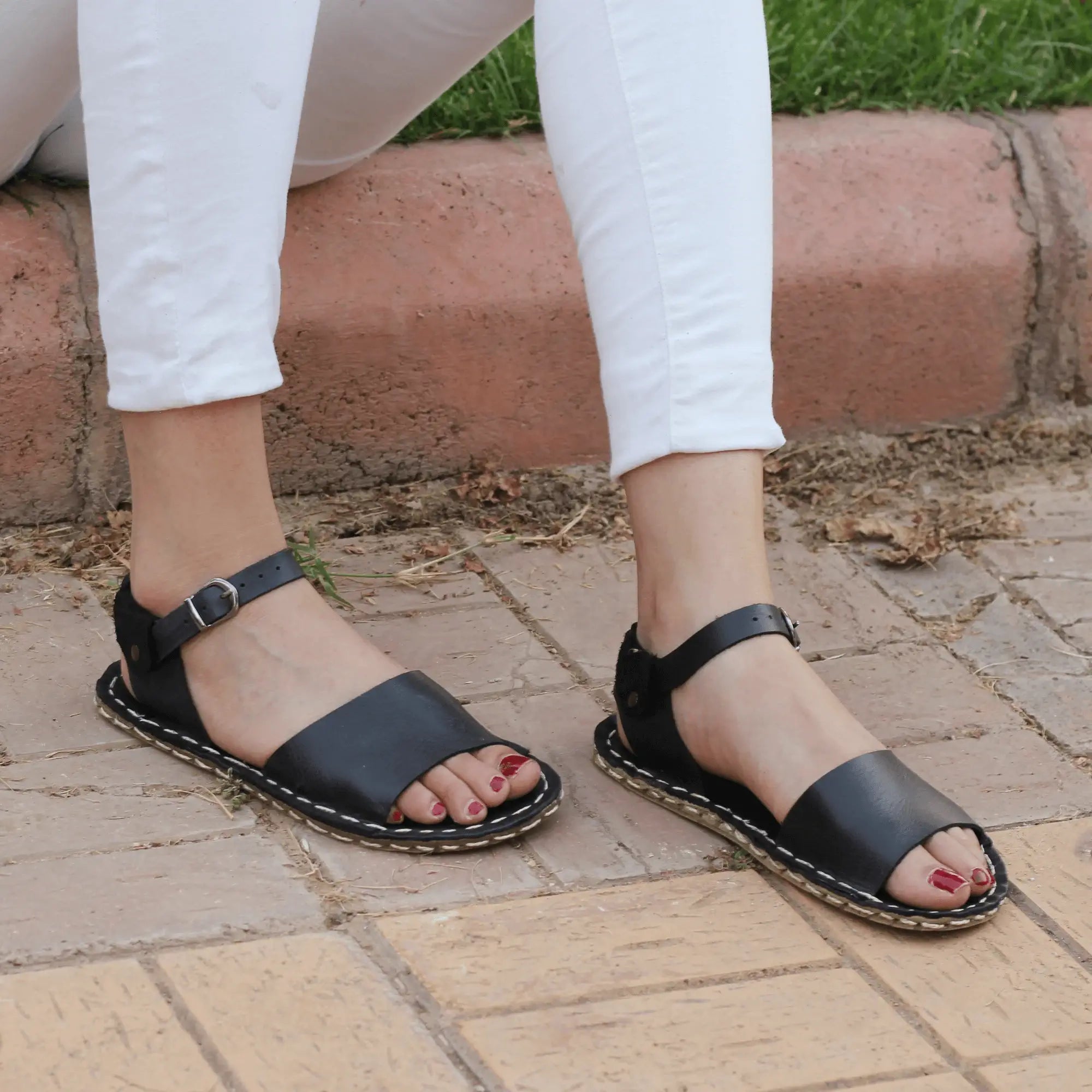
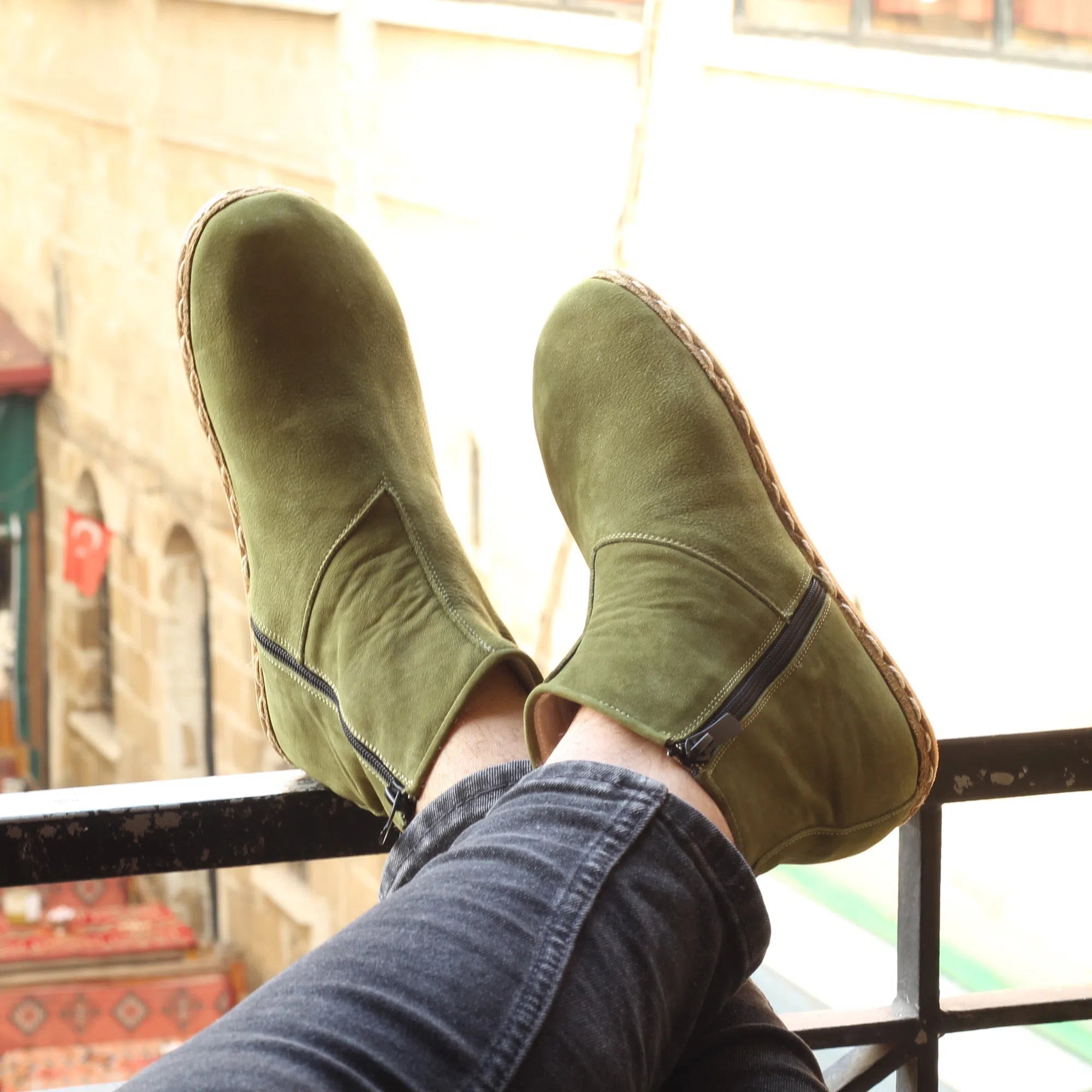
Most shoes ask your feet to behave like narrow, lifted blocks. Toes are pressed together, heels are elevated, and the sole creates a thick synthetic barrier between your body and the ground. This grounding footwear case study looks at what can change when a daily walker trades that formula for wide, zero-drop footwear with a natural leather sole.
This is not a clinical trial, and it is not a promise that one pair of shoes will solve pain, posture, or health concerns. It is a realistic wear story based on the transition many people experience when they stop asking their feet to fit conventional shoes and start giving them room to move.
The Starting Point: Comfortable Shoes That Were Not Comfortable
The case involved a 42-year-old office professional in the Pacific Northwest who walked a dog twice daily, commuted on foot, and spent most workdays at a standing desk. Like many adults, she considered her old sneakers comfortable because they were cushioned. Yet by late afternoon, her feet felt hot and compressed, her toes wanted to spread the moment she took her shoes off, and the raised heel made flat-ground walking feel strangely unnatural.
Her usual shoes had a narrow, tapered toe box, a noticeable heel rise, foam cushioning, and a synthetic outsole. They were not unusually bad shoes. They simply followed the mainstream design logic: hold the foot still, shape it into a pointed form, and place layers of material between the wearer and the terrain.
The goal was not to chase a miracle. It was to see whether a gradual move to grounding footwear could make ordinary movement feel less restricted while fitting into a real schedule of sidewalks, errands, office hours, park paths, and rainy-day dog walks.
The Footwear Change
The replacement pair used a zero-drop shape, meaning the heel and forefoot sat at the same height. It also had a wide toe box, flexible construction, leather upper, and a natural buffalo leather sole. This combination matters because each feature addresses a different problem conventional footwear tends to create.
A wide toe box gives the forefoot space instead of squeezing it toward a point. Zero-drop construction avoids tipping the body forward from the heel. A flexible sole lets the foot bend and respond to the surface beneath it. And a natural leather sole can offer a more direct, less insulated feel than thick rubber and foam.
Grounding footwear is often discussed as though it works only in one setting: barefoot on wet grass. Real life is less tidy. Leather-soled shoes may help a wearer feel closer to natural ground under suitable conditions, but conductivity and the sensation of connection can vary with surface moisture, terrain, sole condition, socks, and the environment. A leather sole is not a substitute for medical care, and grounding claims should not be confused with guaranteed medical outcomes.
What it can offer is a different relationship with walking. Instead of muting every surface, it allows more feedback. Instead of locking the foot into one shape, it makes room for the foot to do its job.
Why the transition was gradual
The participant did not wear the new shoes for ten miles on day one. That is where many good intentions go wrong. Feet that have spent years inside stiff, elevated footwear may need time to adapt to more movement and less artificial support.
For the first week, the grounding shoes were worn for short dog walks, neighborhood errands, and a few hours indoors. During the second week, they became the primary shoe for commuting and standing-desk work. By week three, the participant wore them through most normal days, while keeping her old sneakers available for long walks on hard pavement and periods of fatigue.
That trade-off matters. Natural footwear is not a contest in toughness. If your feet are tired, if you are recovering from an injury, or if a clinician has given you specific footwear guidance, a slower transition is the smarter choice.
What Changed Over Four Weeks
The first noticeable change was not dramatic. It was awareness. The participant reported noticing uneven pavement, sidewalk seams, gravel, and changes in slope more clearly. At first, that feedback felt unfamiliar. By the end of the second week, she described it as useful rather than distracting because it encouraged shorter, more deliberate steps.
Her toes also stopped feeling trapped by the end of the day. The wide toe box did not force toe splay. It simply stopped preventing it. That distinction is central to barefoot-inspired design. Feet do not need to be manipulated into a fashionable shape. They need enough room to spread, stabilize, and respond naturally.
By week three, she reported less heat and sweat during a typical workday. Leather is not magic, and breathability depends on fit, weather, activity level, and sock choice. Still, an all-leather construction can feel meaningfully different from a heavily lined synthetic sneaker, especially for someone who spends long hours with shoes on.
The most surprising result came from standing. The participant did not claim that every ache disappeared. But she felt less eager to kick off her shoes after an afternoon at her desk. With no raised heel shifting weight forward, standing felt more level. With a flexible sole, she found herself subtly changing position rather than remaining rigid.
The surfaces that worked best
The grounding sensation was strongest on natural terrain, especially damp grass, packed soil, and park paths. On dry pavement, the benefit was less about earth connection and more about the shoe's flexible, low-profile feel. The leather sole still allowed a closer sense of the ground than a thick athletic outsole, but it did not turn a city sidewalk into a forest floor.
This is the honest answer many shoppers need. Grounding footwear can support a more connected walking experience, but the setting matters. If your priority is deep winter traction, heavy construction work, or repeated exposure to rough, abrasive surfaces, a thin leather sole may not be the right tool for every hour of every day. Choose footwear for the life you actually live.
What Did Not Change Overnight
The participant still had to pay attention to pace. Long stretches of concrete felt more demanding at first because the new shoes did not rely on thick foam to erase impact. Calf tightness appeared after one longer-than-usual walk in week two, which eased after scaling back distance for several days.
That is not failure. It is feedback. Conventional shoes often do so much shaping and cushioning that the foot and lower leg become accustomed to being passengers. When shoes become flatter and more flexible, muscles and tissues are invited back into the work. A gradual approach gives the body time to respond without turning a healthy change into an unnecessary setback.
The participant also learned that sizing mattered more than expected. A wide toe box should feel spacious without allowing the foot to slide around. Leather should hold the foot securely while having room to soften and adapt with wear. A poor fit remains a poor fit, even when the shoe is handmade from beautiful natural materials.
What This Grounding Footwear Case Study Suggests
The lesson is not that every person needs the same shoe. It is that comfort is more than padding. Real comfort can mean having room to move, staying level from heel to toe, feeling the ground enough to walk with attention, and wearing materials that do not make your feet feel sealed inside plastic.
For this participant, the practical gains were simple: freer toes, less end-of-day foot confinement, better awareness of walking surfaces, and a more natural experience at a standing desk. Those changes came from design choices, not gimmicks: zero-drop geometry, flexible construction, wide toe space, and natural leather underfoot.
Nefes Shoes is built around that same refusal to accept cramped, elevated, synthetic footwear as the default. Handmade leather shoes can be expressive and distinctive without asking your feet to surrender their natural shape.
If You Are Considering the Same Shift
Start where your feet are, not where you think they should be. Wear grounding footwear for a short walk, an afternoon at home, or an easy errand before making it your all-day shoe. Notice how your toes feel, how your calves respond, and whether the fit leaves enough room across the forefoot.
Choose natural ground when you can, but do not overlook the quieter win: walking through ordinary life with feet that are finally allowed to move. The earth is not the only thing worth reconnecting with. Your own feet are, too.