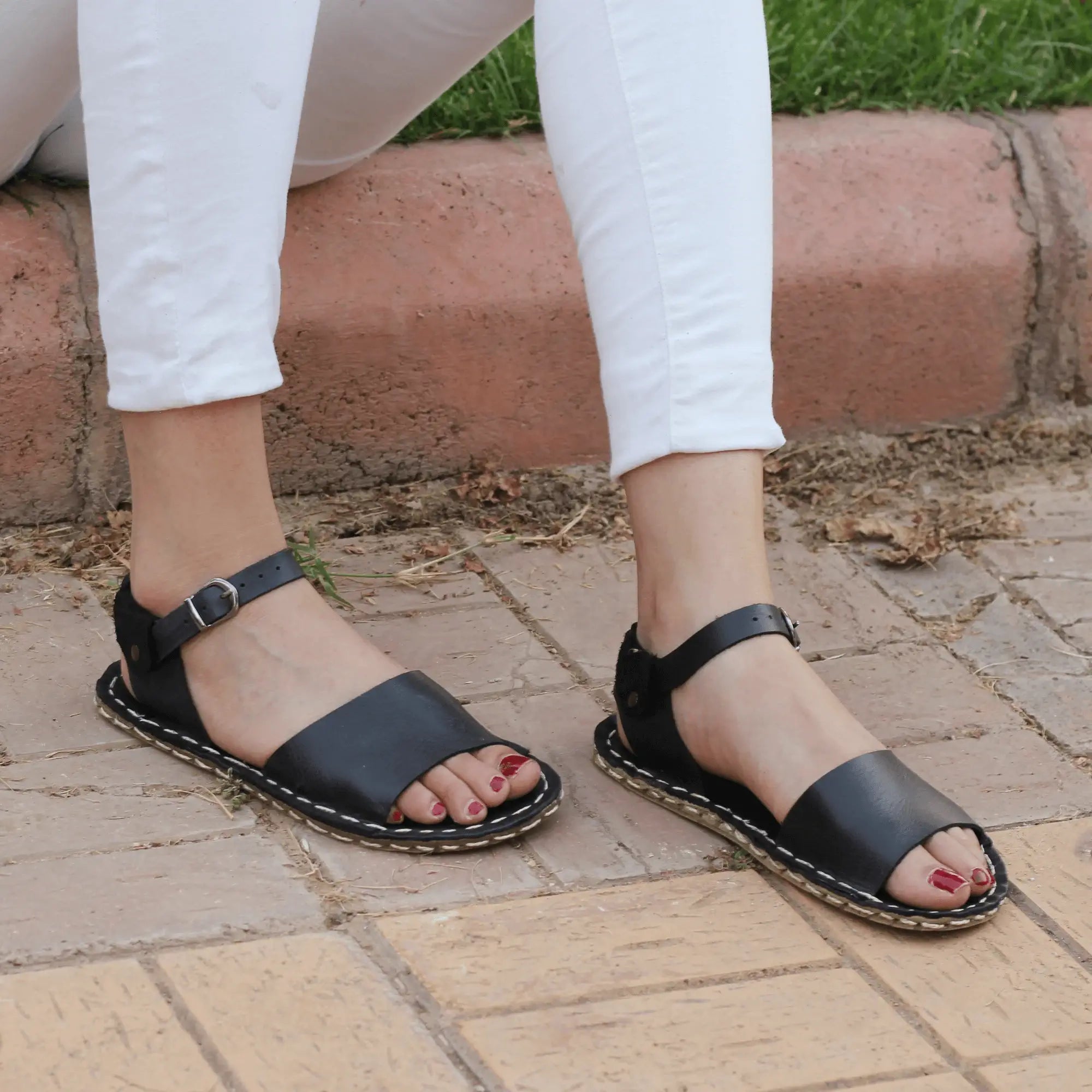
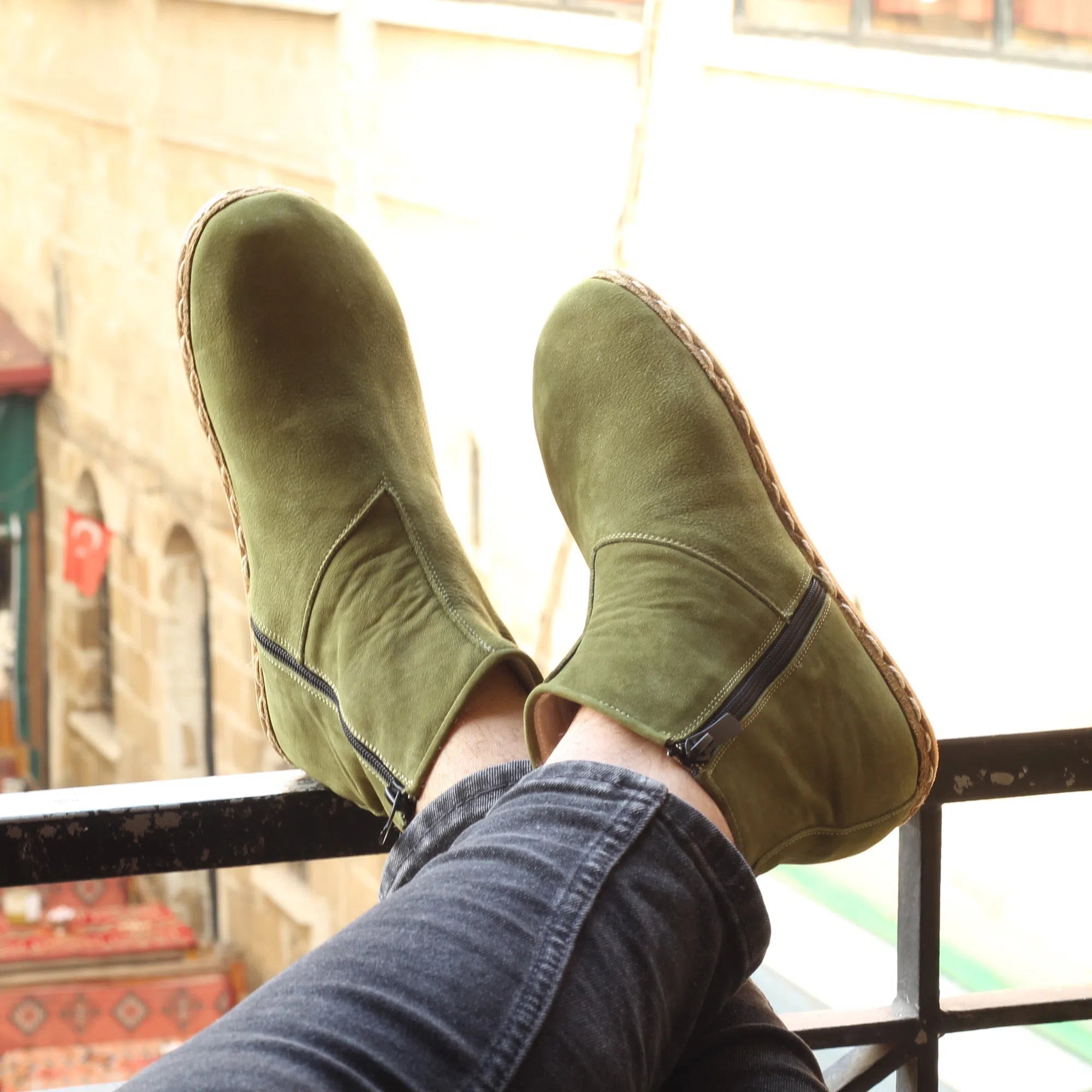
Your feet were built to spread, flex, sense the ground, and carry you forward. Yet most conventional shoes ask them to do the opposite: squeeze into a pointed toe box, perch on a raised heel, and move inside layers of stiff synthetic padding. Barefoot shoes challenge that arrangement. They strip footwear back to what your body actually needs - protection without restriction.
For people tired of cramped toes, hot feet, heavy shoes, or the feeling that every pair looks the same, this is not a passing style preference. It is a return to natural movement. The right pair can feel less like armor around your feet and more like an honest extension of them.
What Makes Barefoot Shoes Different?
Barefoot shoes are defined less by what they add than by what they refuse to add. Rather than forcing the foot into a fashionable shape, they leave room for it to work as it was designed to work.
A true barefoot-inspired design begins with a wide toe box. Your toes should not be stacked, pinched, or pushed toward each other simply to fit a narrow silhouette. When they have room to spread, they can contribute more naturally to balance and stability with each step.
The next defining feature is a zero-drop sole. This means the heel and forefoot sit at the same height. Traditional footwear often lifts the heel, which can shift the body forward and change how you stand and walk. A flat platform allows your feet, ankles, and legs to find a more natural relationship with the ground.
Flexibility matters, too. A sole should bend with the foot rather than dictate its motion. That does not mean footwear must be flimsy or offer no protection. It means the shoe protects the sole of the foot while preserving the sensory feedback and freedom that thick, rigid construction often removes.
Why Conventional Shoes Can Work Against Your Feet
Modern shoes are often engineered around appearance, height, or a familiar feeling of cushioning. Those features may have a place for specific activities or medical needs, but they are not automatically better for everyday movement. A narrow dress shoe can make the foot look sleek while quietly compressing the toes. A high heel can feel polished while placing the body on an incline. Thick foam can feel soft at first while muting the ground beneath you.
This is the trade-off many people never get to choose consciously. They buy what is available, wear it for years, and assume aching arches, sweaty feet, or toe discomfort are simply part of being on their feet.
Your feet are not passive blocks at the end of your legs. They contain a network of bones, joints, muscles, and sensory receptors. When footwear constantly limits that system, the rest of the body may compensate. The goal of barefoot footwear is not to promise a cure for every ache. It is to stop asking your feet to live in a cage.
The Benefits of a Wider, Flatter Foundation
The most immediate difference many people notice is toe freedom. A generous toe box lets the forefoot relax instead of compressing it into a tapered shape. This can make standing, walking, and even wearing shoes all day feel fundamentally different.
A zero-drop platform may also encourage greater awareness of posture and stride. Without a raised heel, some wearers find they become more conscious of how they land, how quickly they walk, and where they hold tension. That awareness is valuable. Natural movement is not about forcing a perfect gait. It is about giving your body more opportunity to respond rather than locking it into one position.
There is also the matter of connection. Thin, flexible soles allow more information from the ground to reach the foot. For people drawn to grounding or earthing practices, natural leather soles can feel especially meaningful. The experience is personal, and it should not replace medical care or be treated as a guaranteed health outcome. But feeling the texture and contour of the world beneath your feet can be a powerful reminder that the body was not made to move through life numb.
Why Materials Matter as Much as Shape
A shoe can have a wide toe box and flat sole yet still feel lifeless if it is built from plastic-heavy materials. That is why material choice belongs at the center of the barefoot conversation.
Natural leather adapts over time. It softens, develops character, and gradually conforms to the individual shape of the wearer. It is not disposable. A well-made leather shoe can collect the marks of real life and become more distinctly yours with every season.
Breathability matters as well. Feet sweat, especially when trapped inside synthetic linings and sealed foam. Leather helps create a more breathable environment, which can make a noticeable difference in daily comfort and odor. Handmade construction also matters because details are not an afterthought. The cut of the leather, the flexibility of the sole, and the way the upper meets the foot all affect whether a shoe supports freedom or fights it.
Nefes Shoes brings this philosophy into handcrafted footwear made in Türkiye, using natural leather and buffalo leather soles to create styles that feel grounded without looking unfinished. Barefoot design does not require you to dress like you are headed to the gym or a trailhead. It can belong with linen, denim, dresses, tailored layers, and the clothes that make you feel like yourself.
How to Transition to Barefoot Shoes Without Rushing
The honest answer is that it depends on what you have been wearing and how your body currently feels. If you have spent years in heavily cushioned shoes, tall heels, or stiff work boots, your feet and lower legs may need time to adapt to more movement and less artificial lift.
Start with short walks, errands, or a few hours around the house. Pay attention to your calves, arches, ankles, and the bottoms of your feet. Mild muscular fatigue can be part of adaptation, but sharp pain, persistent pain, or numbness is a signal to stop and seek guidance from a qualified health professional.
Avoid treating barefoot footwear as a test of toughness. More is not always better on day one. Let your walking volume build gradually, especially if you are changing from a shoe with a substantial heel or thick cushioning. A slower transition gives your feet time to reclaim their role without overwhelming tissues that have been underused.
People with diabetes, neuropathy, circulation concerns, recent injuries, or diagnosed foot conditions should speak with their clinician before changing footwear dramatically. Natural movement is worth pursuing thoughtfully, not recklessly.
Choosing the Right Pair for Your Life
The best barefoot shoe is the one you will actually wear. A sandal may be ideal for warm days and easy airflow. A flexible leather boot can carry you through cooler weather while giving your toes room. Slippers make sense when you want your home footwear to respect your feet as much as your outside shoes do. Moccasins and minimalist sneakers can bridge the gap when you want an everyday style that does not look clinical.
Fit is crucial. Leave enough length in front of the longest toe for natural movement, and make sure the widest part of your foot is not spilling over or squeezed by the upper. A barefoot shoe should feel secure at the heel without clamping down on the forefoot. Leather may soften with wear, but it should never be used as an excuse to begin with painful compression.
Also consider your environment. A thinner sole offers more ground feel, while a slightly more substantial flexible sole may be more practical for long days on hard city surfaces. The point is not to follow a purity contest. The point is to choose footwear that respects your anatomy and suits the life you actually live.
Your feet carry your entire life. Give them room to spread, feel, and move - then let every step remind you that comfort does not have to come at the cost of freedom.