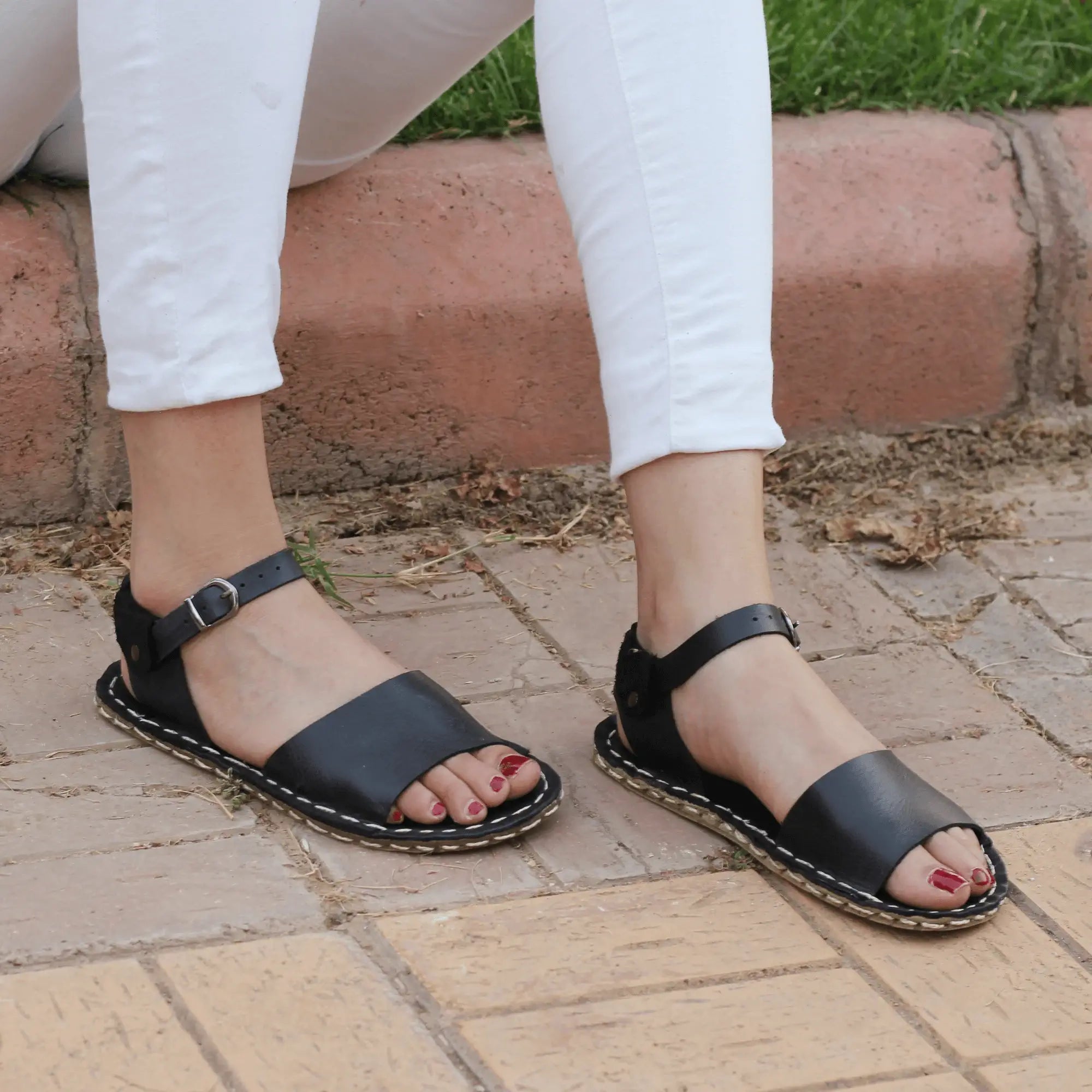
A grounding boot is only as honest as the materials between your feet and the ground. That is the question behind any grounding boot material review: does the boot create a workable connection to the earth while still giving your toes room, your skin breathable natural materials, and your body the freedom to move?
Conventional boots solve one problem by creating another. Thick synthetic foam, stiff raised heels, narrow fronts, and heavily insulated rubber soles can turn footwear into a barrier. They may feel familiar, but familiar is not the same as natural. A well-made grounding boot takes a different path, using materials that respect the foot and reduce unnecessary separation from the terrain beneath it.
What Makes a Boot Suitable for Grounding?
Grounding, also called earthing, refers to direct contact between the body and the Earth's natural electrical charge. Bare feet on clean soil, grass, sand, or stone are the simplest version. A grounding boot is designed to preserve a conductive route through the sole so outdoor wear does not always require going barefoot.
That route is not guaranteed by a label. It depends on the complete build: the outsole material, its thickness, any coatings or inserts, moisture conditions, and whether the material is actually in contact with conductive ground. Dry wood, sealed pavement, thick snow, and heavily insulated surfaces can limit or interrupt contact. So can a boot with a leather upper but a conventional synthetic rubber sole.
This is why material matters more than marketing. Natural leather may be an excellent choice for breathability and comfort, but the sole construction determines whether a boot can support a grounding practice.
Grounding Boot Material Review: Leather Soles
Natural leather is at the center of an authentic earthing boot design. Unlike the plastic-heavy stacks found in most footwear, leather is a living material. It flexes with use, allows air to move, and gradually shapes itself to the wearer. For people tired of trapped heat, sweaty feet, and rigid boots that never soften, that difference is felt quickly.
A natural buffalo leather sole is especially compelling because it brings density, durability, and flexibility without relying on a thick slab of rubber. Buffalo leather has a strong fiber structure, making it well suited to a sole that must face daily wear while remaining responsive underfoot. In a handmade grounding boot, it can provide a more direct relationship with the surface below than a heavily insulated sole.
There is a trade-off. Leather soles are not built for the same abuse as hard industrial rubber outsoles. Repeated use on rough concrete, salted streets, sharp gravel, and constantly wet pavement will wear leather faster. That is not a flaw to hide. It is the cost of choosing a natural, flexible material over a synthetic shield.
For many wearers, that trade-off is worthwhile. The boot becomes less like protective equipment that locks the foot into place and more like a durable second skin for walking, commuting, traveling, and spending time outdoors.
The Role of Moisture and the Ground
Leather's conductivity can vary with moisture and its finish. Natural leather is generally more receptive to conductivity when it has some moisture, whether from the environment or normal wear, than when it is extremely dry and heavily treated. A thick waterproof coating, a plastic film, or a non-conductive rubber layer can reduce the effect.
The surface beneath you matters just as much. Damp soil, grass, sand, and natural stone are better candidates for earth contact than sealed indoor flooring or dry synthetic carpeting. Grounding boots are not magic shoes. They are a material-based option for people who want to stay closer to nature without abandoning protection, warmth, or personal style.
Why Synthetic Sole Stacks Work Against Natural Contact
Most modern boots are engineered around insulation. EVA foam cushions but creates distance. Rubber outsoles offer abrasion resistance and traction but commonly block electrical flow. Plastic shanks stiffen the midfoot. Padded heel lifts alter the foot's relationship to the ground before you even take a step.
Each layer may have a purpose on its own. Together, they create a boot that is disconnected in nearly every sense of the word: disconnected from the ground, from natural foot feedback, and often from the way feet are meant to spread and flex.
That does not mean every rubber-soled boot is useless. Rubber can be the right choice for demanding worksites, ice, technical hiking, or situations where aggressive traction and surface protection come first. But if ground connection is a primary goal, an insulated sole stack is a contradiction.
A grounding boot should not pretend to be every kind of boot. It should be honest about its purpose: natural material, flexible movement, and a less obstructed relationship with the earth.
Upper Materials Matter for Everyday Comfort
The sole receives most of the attention in earthing footwear, but the upper decides whether you will actually want to wear the boot all day. Full-grain leather offers a useful balance of structure and breathability. It protects from wind and light weather while allowing the boot to mold to the foot over time.
Natural leather also handles temperature differently than synthetic leather. It can feel warm without becoming suffocating, especially when paired with a simple, unlined or minimally lined construction. For feet that sweat easily, fewer synthetic layers can mean less trapped heat and less odor buildup.
Look closely at the interior, too. Synthetic linings, thick foam collars, and glued-in footbeds can change how a boot breathes and how much ground feel reaches the foot. A simpler construction often creates a more honest sensory experience. You can feel the terrain without feeling punished by it.
At Nefes Shoes, handmade leather construction is not an aesthetic detail added after the fact. It supports the larger idea that footwear should work with the human foot, not force it into a factory-shaped mold.
Zero Drop and Toe Space Complete the Material Story
Even the finest leather sole cannot fully support natural movement if the boot squeezes the toes or pitches the body forward. Grounding and barefoot-inspired design belong together because both ask the shoe to interfere less.
A zero-drop boot keeps the heel and forefoot on the same level. This can encourage a more natural standing position and lets the foot respond to the ground without an artificial heel lift. A wide toe box gives toes space to splay, stabilize, and move instead of being pressed into a narrow point.
If you have spent years in structured boots, the adjustment can take time. Flexible, zero-drop footwear asks more of the small muscles in the feet and lower legs. Start with shorter walks, errands, or relaxed outdoor time. Let your body adapt instead of turning the first week into a test of endurance.
What to Expect From Leather Grounding Boots
A leather-soled grounding boot changes with you. The sole may develop scuffs, darken, and show the evidence of real use. The upper will crease and soften around your stride. This is not the polished sameness of mass-produced footwear. It is the character of a natural material doing its job.
Care is straightforward but necessary. Let boots dry naturally if they get wet, keep them away from direct heat, and use a leather conditioner on the upper when it starts to feel dry. Avoid coating the sole with products that create a plastic-like barrier if grounding performance is part of why you chose the boot. For regular city walking, rotating pairs can also help leather soles rest and dry between wears.
Choose your terrain with intention. These boots make the most sense for walks on grass, soil, trails with manageable surfaces, parks, gardens, and everyday settings where flexibility and natural feel matter. If your day involves roofing, construction debris, deep slush, or miles of abrasive pavement, a purpose-built work or technical boot may be the wiser tool.
The right grounding boot will not make every surface feel soft or erase the need for practical judgment. What it can do is remove layers that conventional footwear has taught us to accept without question. Put your feet on real ground, give your toes room to work, and let the materials beneath you be part of the connection rather than another barrier.