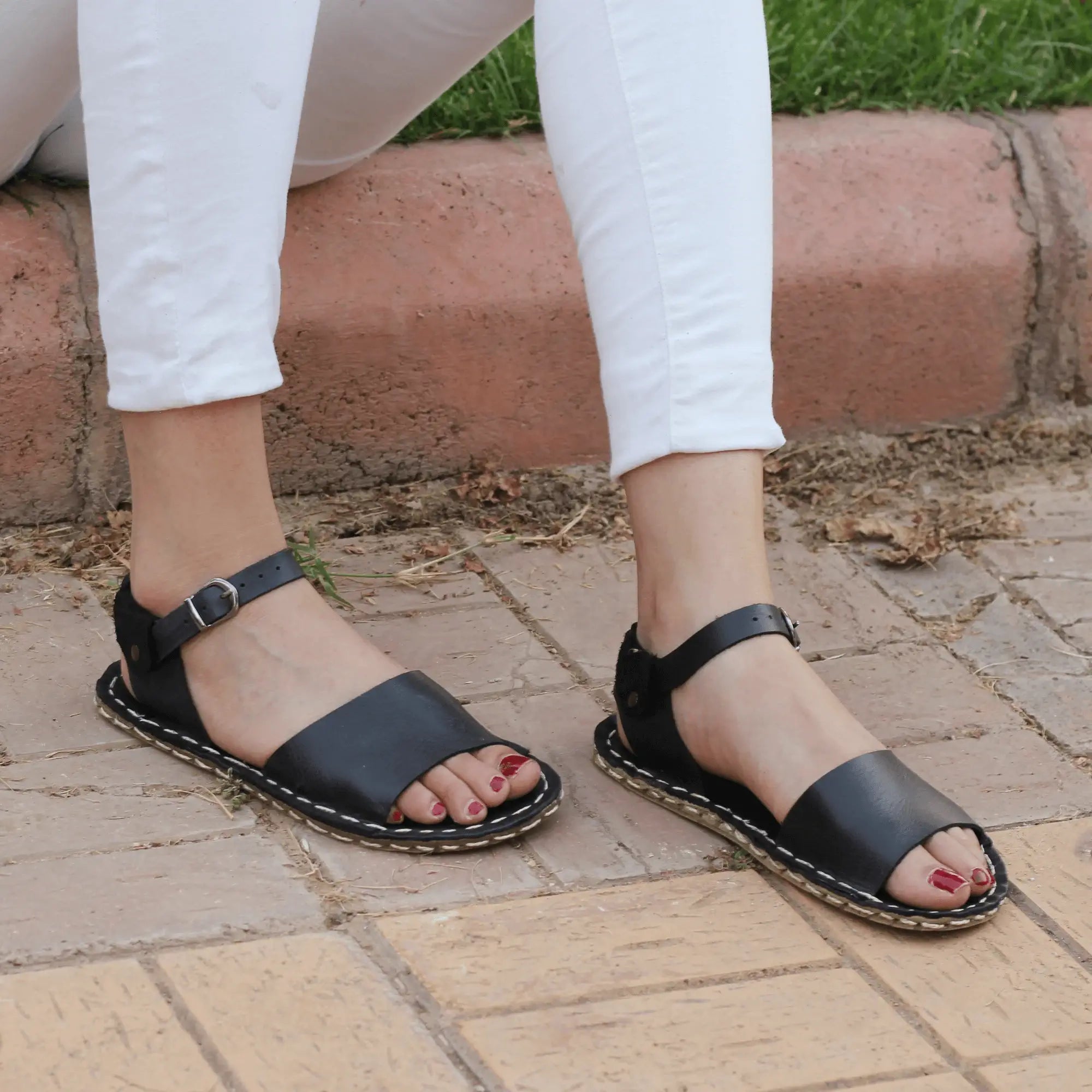
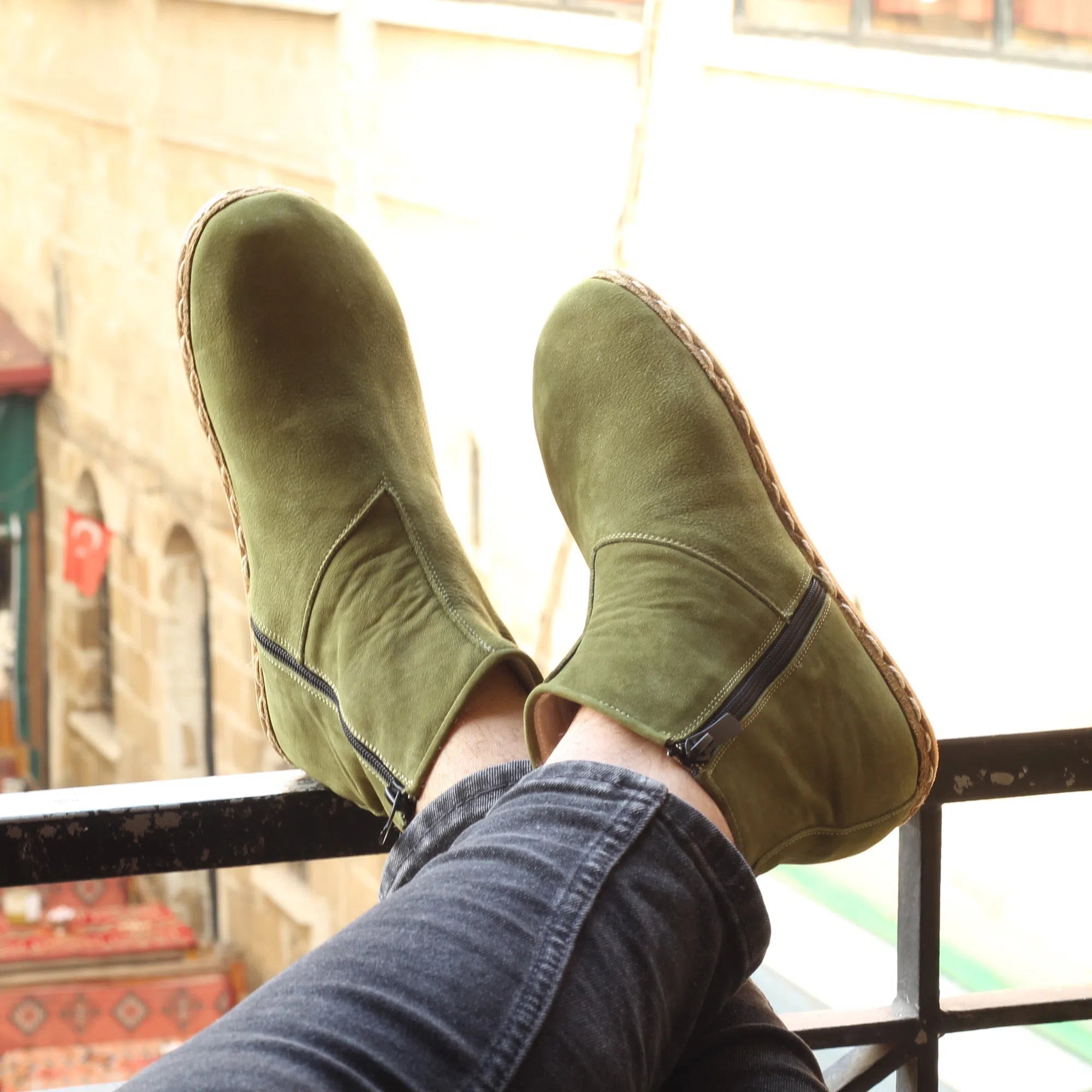
Your calves will tell the truth before your eyes do. A barefoot shoe can look simple, even familiar, but the first time you spend a full day in one, your body notices fast. If you are wondering how to start wearing barefoot shoes, the goal is not to force a dramatic switch. It is to let your feet wake up, spread out, and do the work they were built to do.
That shift can feel surprisingly good. It can also feel humbling. Years of raised heels, thick cushioning, stiff soles, and narrow toe boxes teach the body to move one way. Barefoot shoes ask for something more natural, but natural does not always mean immediate. The smartest transition is steady, not heroic.
Why barefoot shoes feel different right away
Most conventional shoes interfere with movement in three ways. They elevate the heel, squeeze the toes, and dampen ground feel. That combination changes posture from the ground up. It can reduce toe splay, limit ankle motion, and encourage a heavier, less responsive stride.
Barefoot shoes reverse that formula. A zero-drop platform keeps the heel and forefoot level. A wide toe box gives the toes room to spread and stabilize. A flexible sole lets the foot bend and sense the ground. If you choose natural materials like leather, you also get a more breathable, adaptive fit that feels less like a cast and more like a second skin.
For many people, that first wear comes with relief in the toes and pressure in the lower legs. Both are normal. Your forefoot gets freedom. Your calves and arches get a new job.
How to start wearing barefoot shoes without overdoing it
The biggest mistake is treating barefoot shoes like regular shoes and wearing them all day on day one. Even if they feel comfortable out of the box, your muscles, tendons, and gait may not be ready for a sudden change.
Start with short, easy sessions. Wear them around the house, for errands, or on a brief walk. Thirty to sixty minutes is enough for many beginners during the first few days. Pay attention to what happens later, not just in the moment. Mild muscle fatigue in the feet or calves is common. Sharp pain, joint irritation, or lingering strain means you need less time, not more commitment.
After that, build gradually. Add time every few days if your body is adapting well. Some people transition in two weeks. Others need two months. It depends on your current footwear, foot strength, walking habits, age, injury history, and how much time you spend standing.
If you have spent years in thick athletic shoes or supportive inserts, take the long road. There is no prize for a fast transition. There is only the result your body has to live with.
Start with walking, not running
Walking is the best teacher. It slows everything down and gives you time to notice how your feet land, how your toes engage, and whether you are gripping or slapping the ground.
Running in barefoot shoes is a separate adaptation. The loading forces are higher, and poor mechanics show up faster. If running is your goal, earn it through walking first. Once walking feels natural and your lower legs are no longer getting unusually sore, then a short run can make sense.
Choose the right setting first
Smooth sidewalks, indoor floors, and short daily outings are better than long city days, steep hikes, or airport travel. Early on, your feet are learning, not performing. Give them a calm environment.
This matters even more if your shoes have thin, highly flexible soles. More ground feel can be excellent for awareness, but it also asks your body to process more information. That is part of the benefit. It is also why your transition should be measured.
What your body should feel - and what it should not
A healthy transition often brings a few predictable sensations. Your arches may feel worked. Your calves may tighten. The bottoms of your feet may feel more alive after walking. These are signs that dormant muscles are being recruited.
What should not be ignored is pain that changes how you move. If your Achilles feels strained, your knees begin aching, or you get sharp discomfort under the heel or ball of the foot, step back. Reduce wear time. Alternate with your previous shoes if needed. A slower transition is still a successful one.
There is a difference between effort and injury. Barefoot shoes should restore natural movement, not turn every outing into a test of willpower.
Form matters more than people think
A barefoot shoe does not automatically create good movement. It simply removes some of the structures that were masking poor habits.
If you tend to overstride, landing far in front of your body with a heavy heel strike, a thinner and more flexible shoe will make that obvious. Aim for shorter steps and a lighter landing. Let the foot come down closer to your center of mass. Keep your knees soft. Think quiet, not forceful.
Posture matters too. When the heel is no longer elevated, your body has a chance to stack more naturally. Do not lean back and do not try to walk on your toes. Just stand tall and let your stride get smaller before it gets longer.
This is where many people discover that comfort is not only about cushioning. It is also about alignment, rhythm, and giving the toes space to participate.
Foot strength helps the transition go faster
You do not need an elaborate routine, but a little foot work goes a long way. Spend a few minutes each day barefoot at home if your environment allows it. Let your toes spread on the floor. Practice lifting your heels slowly. Rise onto the balls of your feet and lower with control. Balance on one foot while brushing your teeth. These simple habits build capacity where most modern shoes create dependence.
Toe mobility matters as well. If your toes have been compressed for years, a wide toe box may feel almost strange at first. That is not a flaw. That is space returning to a part of the body that has been boxed in.
Some people benefit from gentle calf stretching after walks, especially in the first few weeks. Others feel better with soft tissue work on the soles of the feet using a massage ball. Keep it light. The goal is not to attack the tissue. The goal is to help it adapt.
Fit is everything with barefoot shoes
A barefoot shoe should not fit like a fashion sneaker or dress shoe from the mall. Your toes need room to spread, especially around the big toe and little toe. That means the front of the shoe often looks wider than what people are used to seeing. Good. Feet are not naturally pointed.
Length matters too. You want enough space in front of the toes for movement, but not so much that your foot slides around. The heel should feel secure without being rigidly locked down.
Material changes the experience. Synthetic uppers can feel hot and restrictive. Natural leather tends to soften, breathe, and shape itself to the foot over time. For people who care about both function and feel, handmade leather barefoot shoes offer something mass-market foam footwear rarely does: structure without stiffness, and comfort without disconnecting you from the ground.
For those drawn to grounding and earthing, sole construction matters as well. Some wearers are not just looking for zero-drop geometry. They want a closer relationship with the earth through natural materials and less barrier underfoot. That is not the same conversation as cushioning or motion control, and it is one reason barefoot footwear attracts people who care about wellness in a broader sense.
When to go slower
If you have plantar fasciitis, Achilles issues, bunions, flat feet, past injuries, or years of orthotic use, your transition deserves more patience. Barefoot shoes can still be a strong choice, but your timeline may be longer and your response more variable.
The same goes for people who stand all day at work. Switching eight or ten hours at a time can overload tissues that are not ready. Use your barefoot shoes in smaller windows first, then expand as your body adapts.
And if one style feels great while another does not, pay attention. A flexible sandal, a leather moccasin, and a structured boot do not place the same demands on the foot, even if all are built around barefoot principles.
The real goal is not less shoe - it is better movement
Some people approach barefoot shoes as a challenge. That usually backfires. This is not about proving toughness or rejecting comfort. It is about choosing footwear that lets the body move with more honesty.
When your toes can spread, your heel is not artificially lifted, and the sole bends with your step instead of against it, your feet start participating again. That can mean better balance, less compression, less heat and sweat, and a stronger connection to the ground beneath you. For many people, that shift also changes what they want from every other pair in the closet.
Nefes Shoes was built around that belief: health begins with the feet, and shoes should connect you to the earth rather than separate you from it.
If you are starting now, keep it simple. Wear them a little. Walk with awareness. Let your body adapt at its own pace. The best transition is the one that leaves you feeling freer with every step, not tougher for having pushed through pain.