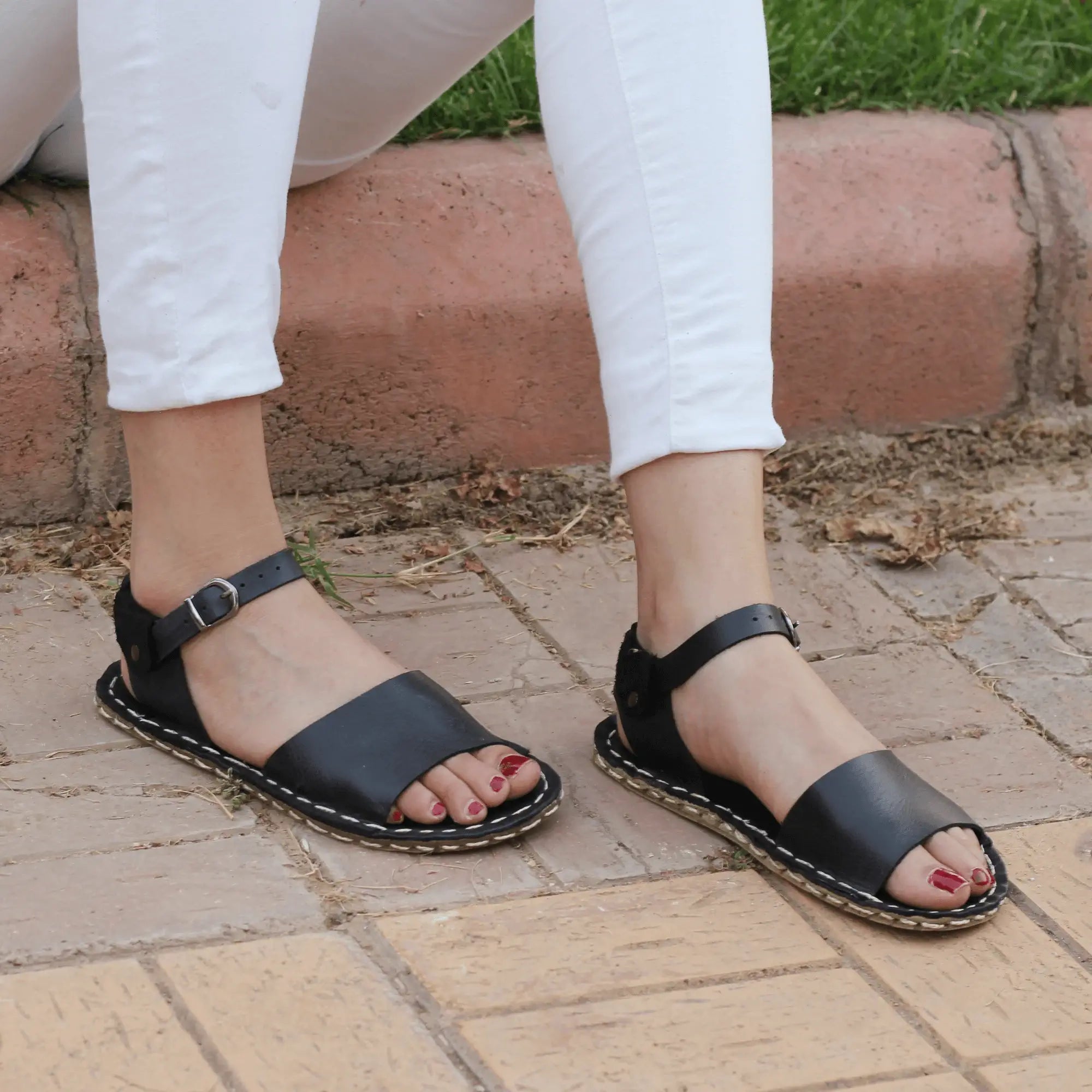
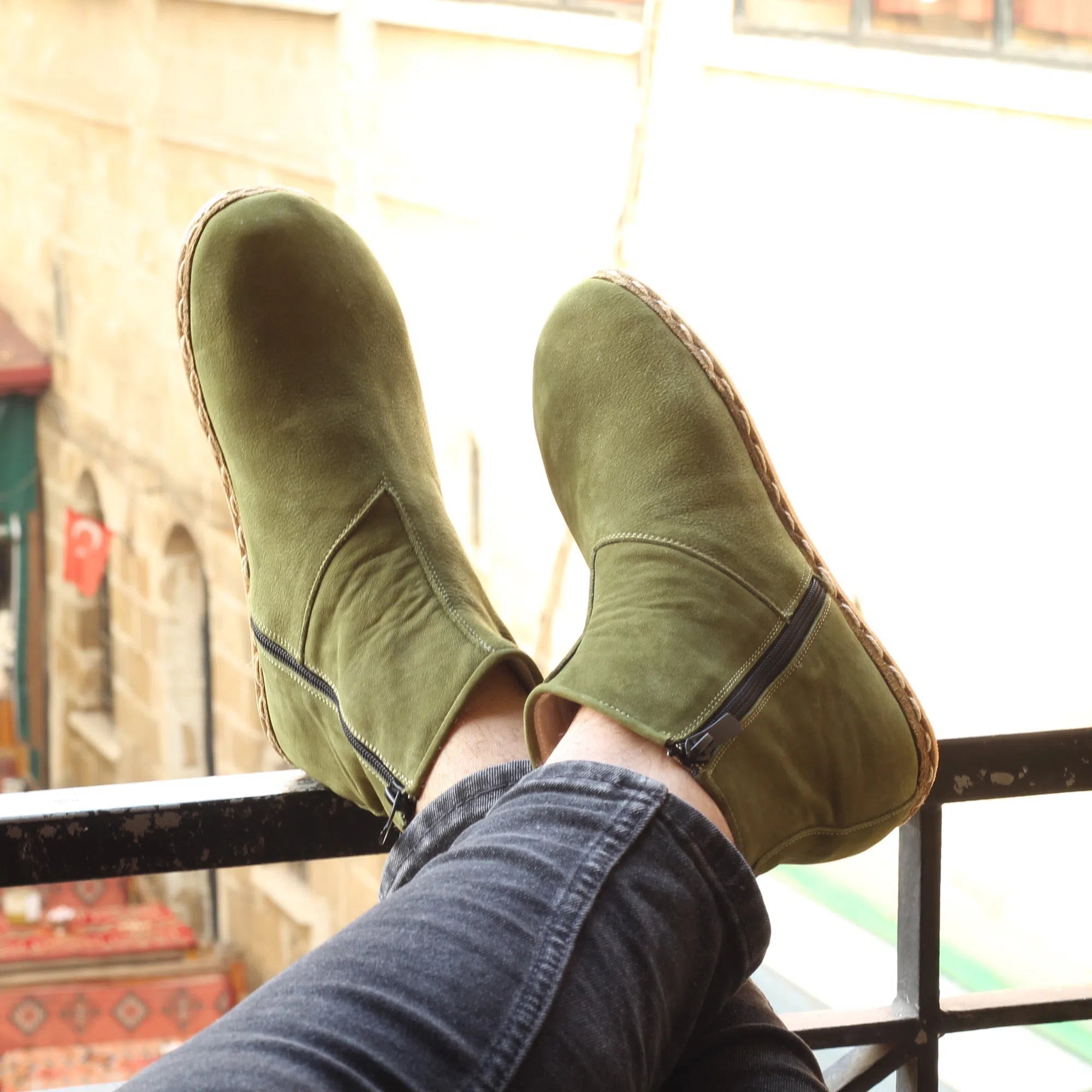
Most shoes cut you off. They squeeze your toes, lift your heel, trap sweat, and place layers of rubber and foam between your body and the ground. Grounding shoes earthing shoes were created as a direct answer to that problem. They are built for people who want their footwear to do less interfering and more allowing - more natural movement, more breathability, and more connection.
That difference matters more than most people realize. Your feet are not supposed to be immobilized all day inside stiff, padded shells. They are designed to spread, flex, feel, and adapt. When shoes block that natural function, the effects can travel upward through posture, gait, and everyday comfort. Grounding footwear steps in with a different philosophy: let the foot work as it was built to work, and use materials that bring you closer to nature rather than further from it.
What grounding shoes earthing shoes actually are
The terms are often used together because they point to the same idea. Grounding shoes, also called earthing shoes, are footwear designed to support contact with the earth through conductive natural materials. Instead of thick synthetic barriers, they typically use leather soles or conductive elements that allow a more direct relationship between your foot, your movement, and the ground beneath you.
But that is only half the story. A real grounding shoe is not just about conductivity. It also needs to respect the structure of the human foot. If the shoe has a narrow toe box, a raised heel, and a rigid sole, it may still work against your body even if it uses natural materials. That is why the best grounding footwear usually overlaps with barefoot footwear principles - zero-drop construction, flexible soles, and room for the toes to spread naturally.
This is where many shoppers get confused. Some assume any leather-soled shoe is automatically an earthing shoe. Others think any minimalist shoe counts as grounding footwear. Neither is always true. A shoe can be minimalist without offering meaningful earth connection, and it can be made from natural materials while still restricting foot mechanics. The sweet spot is a shoe that does both.
Why conventional shoes feel wrong once you notice them
Once you start paying attention to your feet, standard footwear can feel surprisingly aggressive. Most mass-market shoes are shaped for style trends and manufacturing efficiency, not for anatomy. The toe box tapers where your toes should widen. The heel sits higher than the forefoot, shifting your alignment forward. The sole gets thicker and more cushioned, which may feel soft at first but often dulls feedback from the ground.
That sensory dulling changes how you move. Without clear input from the surface under you, your body has less information to work with. You may strike harder, compensate more, and rely on the shoe instead of your own foot strength. Add synthetic linings and plastic-heavy construction, and now you also have less breathability and a less natural wearing experience.
Grounding shoes challenge that whole model. They reject the idea that feet need to be controlled into comfort. Instead, they support comfort by allowing freedom: toes that can spread, arches that can engage, and soles that can bend with the body instead of resisting it.
The real benefits of grounding footwear
The appeal of grounding shoes earthing shoes is not just philosophical. For many people, the benefits show up in daily wear. The first is natural foot function. A wide toe box gives your toes space to relax and stabilize. Zero-drop construction helps keep your posture more neutral. A flexible sole allows the foot to move through its full range instead of acting like a cast.
The second is material comfort. Natural leather tends to breathe better than many synthetic uppers, which can help reduce that hot, trapped feeling people often get in conventional shoes. For anyone dealing with sweaty feet, odor, or irritation from artificial materials, this alone can be a major shift.
Then there is the grounding side of the equation. People drawn to earthing often want fewer synthetic barriers between themselves and the natural world. Wearing shoes made with conductive natural materials can feel more aligned with that intention than wearing thick foam sneakers built like insulation. Some people describe it as a calmer, more connected experience. Others simply like knowing their shoes are made from the earth rather than from petroleum-heavy layers.
Still, honesty matters here. Not everyone experiences grounding in the same way, and expectations should stay grounded too. These shoes are not magic. They are a better tool for people who want natural movement and earth-connected materials, but they are still shoes. Your habits, walking surfaces, foot strength, and overall health all play a role in how much benefit you feel.
What to look for in grounding shoes
If you are shopping for grounding footwear, details matter. The first thing to check is the sole. Natural buffalo leather or other conductive leather soles are central to many earthing shoe designs because they create a more direct path than thick synthetic rubber. The next thing to look at is shape. If the front of the shoe narrows sharply, it is already compromising one of the biggest reasons to wear this style in the first place.
A strong grounding shoe should also sit flat. Zero-drop design means there is no raised heel pushing your body forward. That simpler geometry can help the body stack more naturally and let the foot do its work without artificial tilt.
Flexibility is another sign of quality. If the shoe barely bends, it is likely controlling the foot instead of following it. A good minimalist grounding shoe should move with you. Handmade construction can help here because it often allows for more thoughtful shaping, better material selection, and less of the stiff, overbuilt feel common in mass production.
And then there is appearance. This matters, even in wellness footwear. Many people want natural shoes but do not want to look like they are wearing a science experiment. Well-made grounding footwear can be distinctive, stylish, and artisan-driven while still honoring the foot.
Are grounding shoes right for everyone?
They are not the right choice for every person in every situation, and pretending otherwise would be lazy. If you have spent years in thick, supportive shoes, switching too fast into minimalist grounding footwear can feel intense. Your calves may work harder. Your feet may fatigue sooner. That does not mean the shoes are wrong. It often means your body needs time to adapt.
Surface also matters. On natural terrain, many people love the sensory feedback and flexibility of grounding shoes. On hard urban pavement for long days, the experience can be different. Some people thrive in them everywhere. Others prefer them for part of the day and rotate depending on activity.
Climate and use matter too. Leather-soled grounding shoes can feel incredible for daily wear, travel, or casual city use, but they are not built for every wet, abrasive, or high-impact scenario. The best shoe is the one that matches your real life, not just your ideals.
How to transition into grounding shoes earthing shoes
The smartest approach is to start slow. Wear them for short walks, errands, or part of your workday instead of committing to ten hours on day one. Let your feet relearn how to move. Pay attention to posture, stride, and whether you are landing too hard because you are used to relying on cushioning.
This transition is often where people discover how much their old shoes were doing to them. Once your toes are no longer compressed and your heel is no longer elevated, your body starts making different choices. You may stand more evenly. You may notice less pressure in the forefoot. You may simply feel relieved.
That is one reason handmade minimalist grounding footwear has built such a loyal following. It speaks to people who are done accepting foot discomfort as normal. Brands like Nefes Shoes stand out by combining natural grounding materials, barefoot design, and handcrafted style instead of asking shoppers to choose one over the other.
Why this category keeps growing
People are asking harder questions about what they wear. They want fewer synthetics, fewer compromises, and fewer products that claim comfort while quietly creating dysfunction. Grounding shoes sit at the center of several shifts at once: interest in foot health, demand for natural materials, and a broader desire to live with more intention.
That does not mean every pair on the market delivers. Some lean too hard on wellness language and ignore foot shape. Others borrow barefoot styling but miss the grounding principle. The category is growing, but discernment matters.
The good news is that once you know what to look for, the difference becomes easier to spot. A shoe should not fight your anatomy. It should not force your toes into a point, pitch your weight forward, or seal your foot inside plastic. Better footwear feels more honest than that.
Health begins with the feet, and your shoes either support that truth or get in the way. If you are drawn to grounding shoes earthing shoes, trust the instinct behind that interest. Many people are not just shopping for comfort. They are looking for a more natural relationship with movement, materials, and the ground they walk on every day.