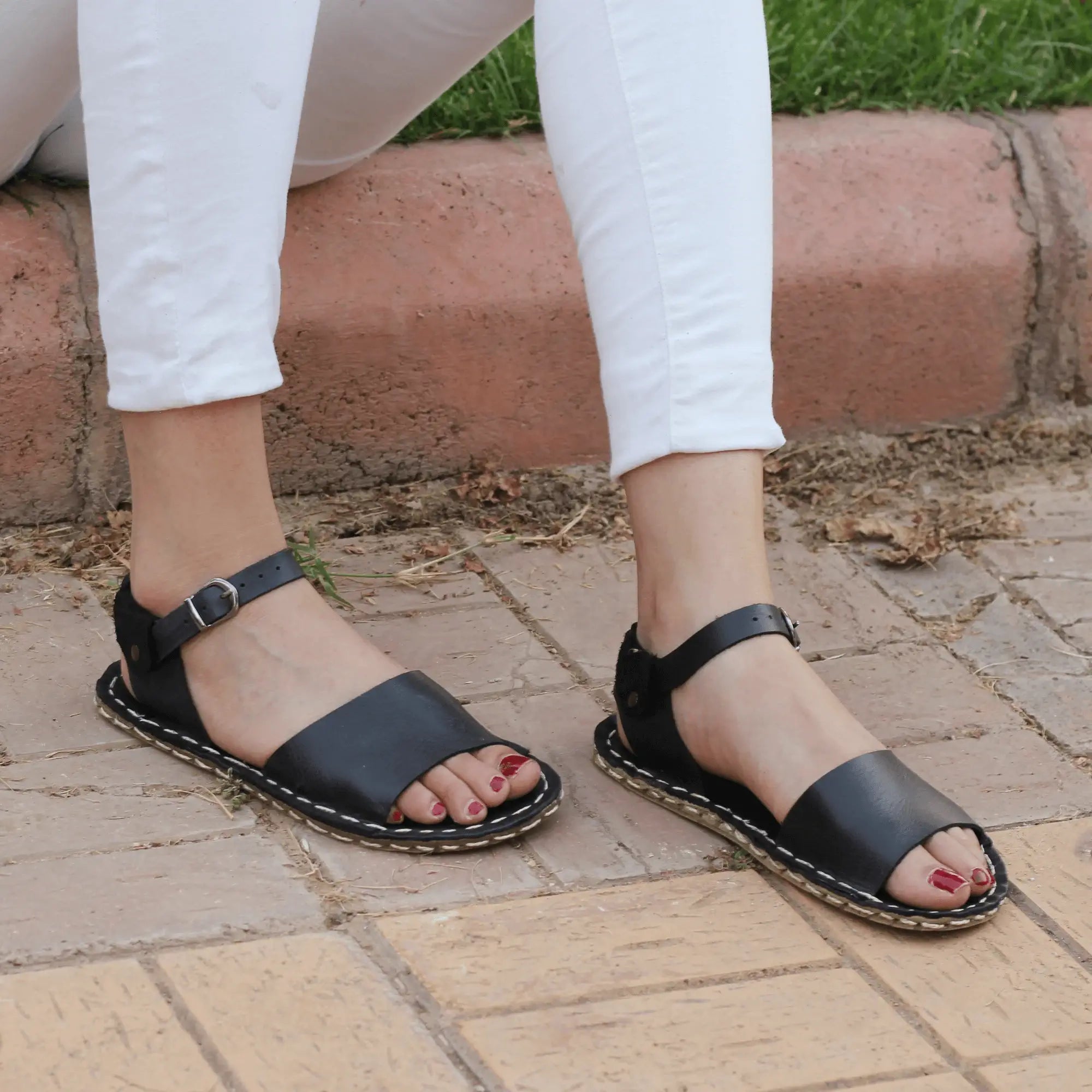
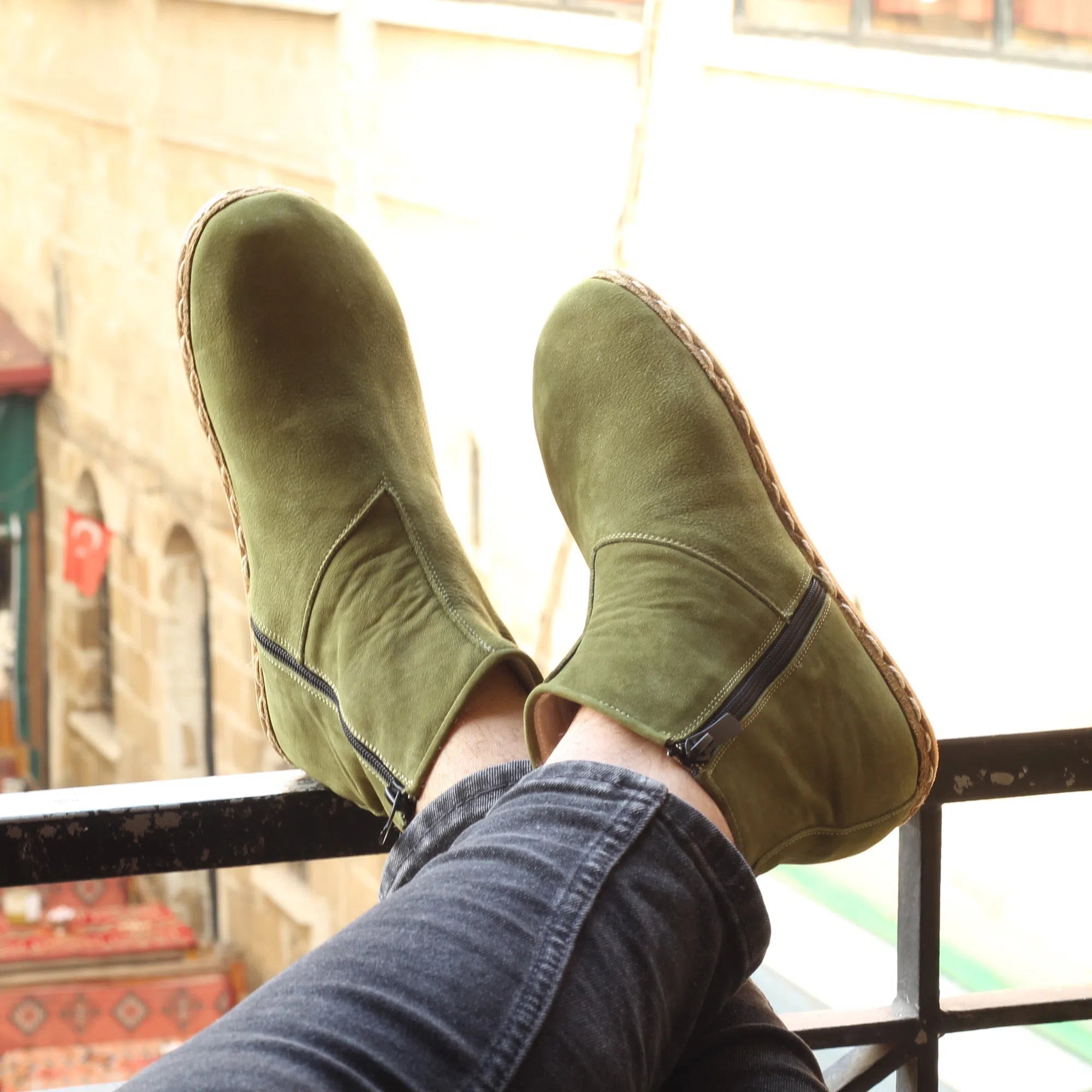
Cold weather exposes everything conventional boots get wrong. When your toes are crammed into a pointed front, your heel is lifted, and the sole is so stiff your foot can barely flex, winter stops feeling cozy and starts feeling like a long negotiation with discomfort. That is exactly why more shoppers are looking for minimalist winter boots women can actually live in - styles that protect from the season without shutting down natural movement.
A good winter boot should do more than block the cold. It should let your foot spread, stabilize your body, and move the way it was designed to move. That matters in every season, but in winter it becomes even more obvious. You are walking on harder ground, colder surfaces, and sometimes slick sidewalks. If your footwear disconnects you from the ground entirely, your stride changes. Your posture changes. By the end of the day, your feet, knees, and lower back often let you know.
What minimalist winter boots women should really do
Most winter boots are built around bulk. Thick insulation, rigid soles, elevated heels, and heavy structure are sold as protection. The trade-off is that your foot becomes a passenger. It cannot flex much, it cannot feel much, and it certainly cannot spread naturally.
Minimalist winter boots take a different position. Instead of forcing the foot into a shape, they respect it. That usually means a wide toe box, a zero-drop base, and a sole that bends with your foot rather than against it. For women who care about alignment, comfort, and long-term foot health, those are not niche details. They are the whole point.
The wide toe box is especially important in winter because many people size up for socks, then end up in boots that are longer but still too narrow. Your toes still rub together, circulation still feels restricted, and warmth can actually suffer. Toes need room. When they can spread, balance improves and the foot can work like a foot instead of a wedge-shaped block.
Zero-drop construction matters too. A raised heel may seem small, but it shifts body weight forward and changes posture from the ground up. In winter, when surfaces are less predictable, that forward pitch can make you feel less stable, not more. A flat, level base tends to feel more grounded and honest underfoot.
Warmth without the usual winter boot problems
There is a common assumption that minimalist means flimsy. That is not true. The better question is what kind of warmth you want and how much structure you actually need.
If you live somewhere with mild to moderate winter weather, a well-made leather boot with enough room for natural wool socks can be warmer in real life than an overbuilt synthetic boot that traps moisture. Breathability matters. Once feet get damp from sweat, cold feels colder. Natural materials often regulate temperature better than plastic-heavy constructions, and they usually feel better against the skin over long wear.
If you face deep snow, slush, or extended time outdoors, you may need more weather protection. That does not automatically rule out minimalist design, but it does mean being realistic. Some minimalist winter boots women choose are perfect for daily errands, commuting, and dry cold. Others are better suited for harsher conditions. It depends on your climate, how long you are outside, and whether you prioritize urban wear, trail use, or all-day winter exposure.
That trade-off matters. The most stripped-down sole may give incredible ground feel, but in very cold conditions some people prefer a little more barrier between foot and frozen pavement. There is no prize for pretending one boot does everything. The right pair is the one that supports natural movement while matching the winter you actually live in.
How to spot quality in minimalist winter boots for women
Start with shape. If the front of the boot narrows sharply, it is not truly foot-friendly, no matter what the marketing says. Your forefoot should have space to relax. You should be able to wear socks without losing that freedom.
Then look at the sole. It should be flexible enough to bend with the foot and flat from heel to toe. Some women new to barefoot-style footwear worry that flexible means unstable, but the opposite is often true. Real stability comes from allowing your foot to sense and respond, not from strapping it to a rigid platform.
Materials matter next. Leather is still one of the best options for winter boots when it is well crafted. It molds over time, breathes better than most synthetics, and offers a natural, durable feel that mass-market winter footwear rarely matches. Handmade construction also tends to show up in the small things - better finishing, better fit logic, and a boot that feels like it was made with feet in mind rather than just trend boards.
This is where brands like Nefes Shoes stand apart. Handmade leather construction, zero-drop design, wide toe room, and natural materials are not aesthetic extras. They change how a boot performs on the body. Health begins with the feet, and winter does not cancel that truth.
Why women are leaving conventional winter boots behind
A lot of women do not switch because of ideology. They switch because their old boots keep failing them.
Maybe their toes go numb even though the boot looks insulated. Maybe their feet ache after a short walk. Maybe they are tired of stiff soles, sweaty linings, or that clunky feeling that makes every outfit and every step feel heavier than necessary. Often the issue is not winter itself. It is the design of the footwear.
Conventional boots tend to treat the foot like something that needs to be controlled. Minimalist boots start from a healthier premise: the foot already knows how to move, balance, and adapt when you stop interfering with it.
That shift can feel surprisingly emotional. There is relief in letting your toes spread. There is ease in walking without an artificial heel. There is something deeply right about wearing boots that feel connected to your body instead of bolted onto it. For women who care about posture, mobility, and natural living, that is not a small upgrade. It changes the entire experience of winter dressing.
Styling minimalist winter boots women love to wear
One reason some shoppers hesitate is style. They assume foot-shaped boots will look overly technical or plain. That depends entirely on the design.
The best minimalist winter boots do not ask you to choose between wellness and personal style. Clean leather, thoughtful shape, and handcrafted character can feel far more distinctive than another anonymous chunky boot. They pair naturally with straight-leg denim, wool trousers, sweater dresses, leggings, oversized coats, and simple cold-weather layers.
In fact, minimalist boots often work better with real wardrobes because they are not trying so hard. They have a grounded look - literal and visual. Less platform, less hardware, less gimmick. More material, more shape, more authenticity.
If your style leans classic, a leather ankle or mid-calf minimalist boot can feel refined and understated. If you dress more casually, the same boot can look relaxed and intentional. The point is not to chase trends. It is to wear something that supports your body and still looks like you.
Should you switch all at once?
Maybe, maybe not. If you have spent years in thick, structured footwear, a transition period can help. Your feet may need time to get stronger and more mobile again. That is normal. Start with shorter wear periods, especially if the sole is much more flexible than what you are used to.
Pay attention to fit with your winter socks. Too tight and you lose circulation and freedom. Too loose and the boot may feel sloppy. Minimalist fit is not about extra empty space. It is about natural space in the right places.
Also be honest about terrain. If you spend winter moving between heated indoor spaces and city sidewalks, your needs differ from someone hiking icy trails for hours. Minimalist footwear is not one rigid category. There is room for preference, weather demands, and comfort thresholds.
The bigger shift is mental. Once you feel the difference between a boot that lets your foot function and one that cages it, it becomes hard to go back. You start noticing how many shoes are built around fashion habits that work against the body.
Winter footwear does not need to be stiff, cramped, or disconnected from how humans are meant to move. The best minimalist winter boots women choose are warm enough for the season, flexible enough for natural movement, and beautiful enough to wear on repeat. If a boot can protect your feet while still letting them be feet, that is not a compromise. That is the standard worth expecting.