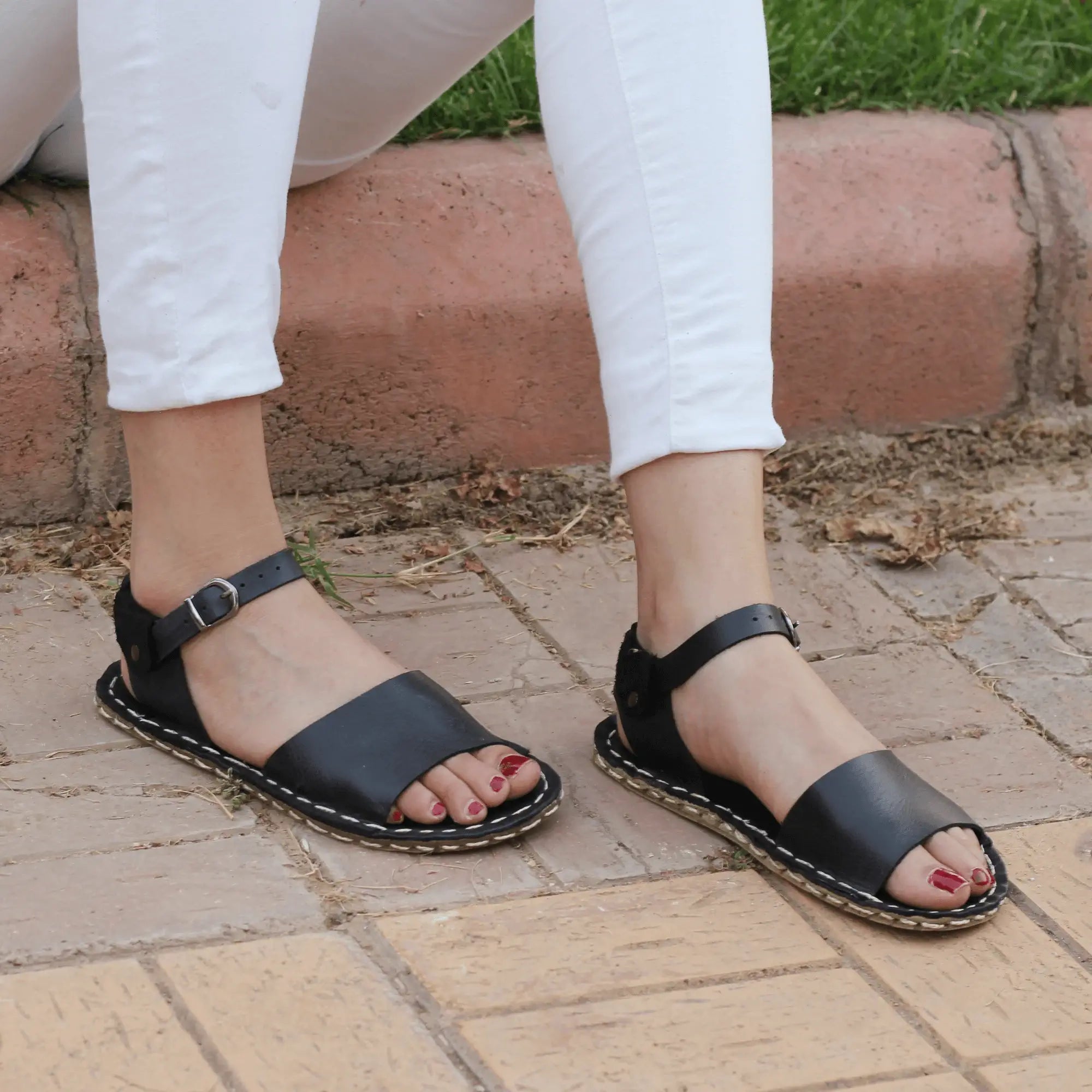
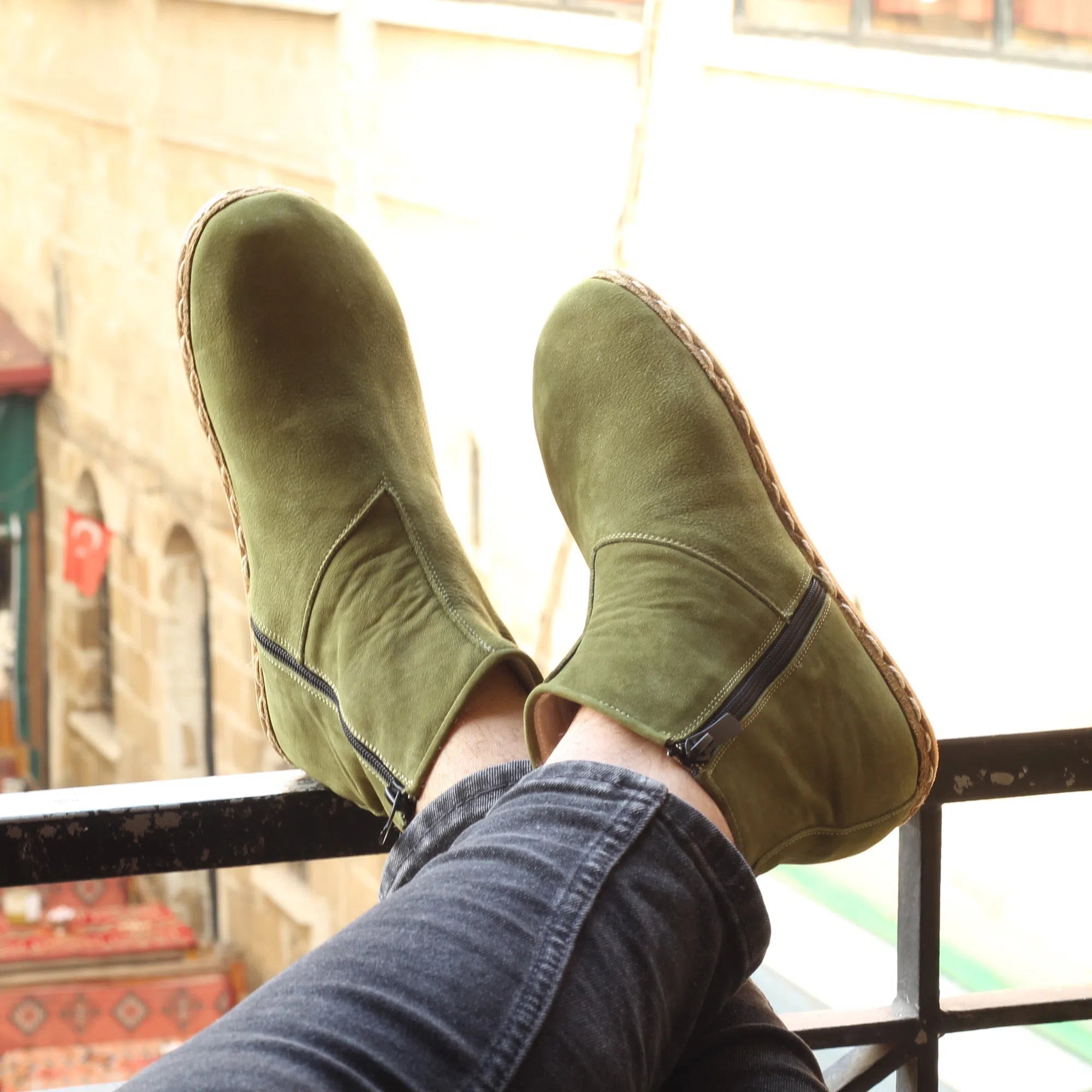
Most people start comparing grounding shoes vs barefoot shoes after one frustrating moment: sore feet in conventional footwear, cramped toes, or that nagging sense that thick soles are cutting the body off from how it was meant to move. That instinct is usually right. But these two categories are not identical, and choosing well depends on what you want your shoes to do every day.
Barefoot shoes are built to let your feet move naturally. Grounding shoes aim for that too, but they add another layer to the idea: connection with the earth through conductive natural materials. If you care about toe freedom, zero-drop alignment, and a more honest walking experience, both can make sense. If you also care about earthing, natural leather, and reducing the barrier between your body and the ground, grounding shoes stand apart.
Grounding shoes vs barefoot shoes: the core difference
The easiest way to understand the difference is this: all grounding shoes should respect natural foot function, but not all barefoot shoes are grounding shoes.
A barefoot shoe is defined mostly by structure. It usually has a wide toe box, a flat sole with no heel elevation, and flexibility that allows the foot to bend and respond naturally. The goal is biomechanical freedom. These shoes are designed to stop forcing the body into the unnatural shape created by narrow toe boxes and raised heels.
A grounding shoe is defined by both structure and material intent. It often includes the same natural movement features found in good barefoot footwear, but it also uses conductive elements to support contact with the earth. In practice, that usually means natural leather construction, less synthetic insulation between foot and ground, and a sole design that prioritizes earth connection rather than just minimalism.
That distinction matters. A shoe can be flat and flexible, yet still be wrapped in synthetic foams and rubber compounds that create a stronger barrier from the ground. It may feel minimal while still missing the grounding element entirely.
What barefoot shoes do well
Barefoot shoes earned their following for a reason. Most conventional footwear works against the foot. It squeezes the toes, lifts the heel, stiffens the arch, and teaches the body to rely on support instead of strength. Barefoot shoes push back against that model.
A well-made barefoot shoe gives your toes room to spread. That wider shape can improve balance, comfort, and stability because the foot is allowed to function like a foot instead of being molded into a fashion template. Zero-drop construction also keeps the heel and forefoot level, which many people find supports more natural posture and weight distribution.
Flexibility is another major benefit. When the sole bends with the foot, walking feels less artificial. You sense the ground better. Your gait often becomes lighter and more responsive. For people interested in foot strength and natural movement, this is the appeal.
But the category has a blind spot. Many barefoot shoes are minimal in shape, not necessarily natural in material. Some rely heavily on synthetic uppers, synthetic linings, glued construction, and non-conductive soles. That does not automatically make them bad shoes. It just means they are solving one problem while ignoring another.
What grounding shoes add to the picture
Grounding shoes take the natural movement conversation a step further. They ask a simple question: if the foot is meant to move naturally, should the shoe also preserve a more natural relationship with the earth?
For people drawn to earthing practices, the answer is yes. Grounding shoes are designed for those who want both freedom of movement and intentional material choices. The idea is not just to remove interference from foot mechanics, but also to reduce separation from the ground beneath you.
This is where natural leather matters. Leather breathes differently than plastic-based materials. It tends to feel more alive, more adaptive, and less clammy over long wear. When used thoughtfully in grounding footwear, it also supports the broader philosophy of minimizing synthetic barriers.
There is also a sensory difference. Many wearers describe grounding shoes as warmer in character, more organic in feel, and more connected overall than mass-market minimalist shoes. Part of that comes from craftsmanship. Part comes from the materials themselves. Part comes from walking in a shoe that was built around earth contact rather than just stripped-down performance.
Grounding shoes vs barefoot shoes in real life
On paper, the overlap can look confusing. In daily life, the difference becomes clearer.
If your main goal is to strengthen your feet, improve alignment, and stop crushing your toes, a barefoot shoe may be enough. If you want a lighter, flatter, more flexible alternative to standard sneakers, many barefoot models can help you get there.
If your goal also includes grounding, natural materials, and a more holistic relationship between body and environment, grounding shoes usually make more sense. They speak to the person who wants footwear to do less interfering and more connecting.
This is especially relevant if you already prefer natural fabrics, care about breathability, or feel uneasy about living in synthetic layers from morning to night. The shoe on your foot is not a small detail. It shapes how you stand, walk, and feel for hours at a time.
Material choices change the experience
This is where many shoppers miss the real story. Two shoes can both look minimalist and still feel completely different after a full day.
Synthetic-heavy barefoot shoes often appeal because they are lightweight and sport-oriented. For gym use, trail use, or casual wear, that may be perfectly fine. But some people notice heat buildup, odor, stiffness over time, or a less natural feel against the skin. Others simply do not want their health-minded footwear made from the same plastic-heavy formula used by mainstream brands.
Grounding shoes often lean into leather, simpler construction, and more natural components. That can create a richer feel and better breathability, especially in handmade styles. It can also produce a shoe that looks less athletic and more timeless, which matters if you want natural footwear that works with everyday clothes rather than only workout gear.
There is a trade-off, though. Natural materials require care. Leather breaks in, develops character, and responds to wear differently than synthetic knit uppers. Some people love that. Others want a shoe they never have to think about. Neither preference is wrong, but they lead to different choices.
Which one is better for your feet?
That depends on what "better" means to you.
If better means restoring toe splay, reducing heel elevation, and encouraging natural mechanics, both grounding shoes and barefoot shoes can be far better than conventional footwear. The baseline matters most: wide toe box, zero-drop sole, and flexibility where the foot needs it.
If better means a more complete natural footwear philosophy, grounding shoes have the edge. They do not stop at foot mechanics. They also question synthetic construction, disconnected design, and the idea that wellness footwear has to look technical or feel industrial.
For some people, the ideal answer is a mix. They may wear athletic barefoot shoes for training or hiking, then choose grounding shoes for daily life, travel, or long hours on city streets. That approach makes sense because your needs change by setting.
The bigger mistake is assuming every minimalist shoe belongs in the same category. It does not.
How to choose between grounding shoes and barefoot shoes
Start with your actual habits, not just product labels. Ask yourself what you wear most often and what problem you are trying to solve.
If you want a gym-ready or trail-focused option, a conventional barefoot shoe may fit the job. If you want all-day wear with natural comfort, timeless style, and a deeper grounding philosophy, grounding shoes are often the better match.
Also pay attention to transition. If you are coming from thick cushioned footwear, either category can feel intense at first. Your feet and calves may need time to adapt. Going too fast is one of the biggest reasons people blame the shoe for what is really a transition issue. Start gradually, walk more mindfully, and let your body rebuild strength.
Style matters too. Some barefoot shoes still look like niche performance products. Grounding shoes made with quality leather and handmade construction can feel more refined, more versatile, and more personal. For many adults, that is the turning point. They do not want to choose between foot health and looking put together.
That is why brands like Nefes Shoes resonate with people who are done compromising. Natural movement matters. Earth connection matters. And yes, craftsmanship matters too.
The better question to ask
Instead of asking which category is superior in every case, ask which one reflects the way you want to live.
If you want footwear that simply gets out of your way, barefoot shoes may be enough. If you want footwear that supports natural movement while honoring natural materials and a closer connection to the earth, grounding shoes offer something more complete.
Your feet know the difference between being contained and being allowed to work. They also know the difference between plastic-heavy construction and materials that breathe, flex, and age with character. The right shoe should not numb that awareness. It should bring it back.
Health begins with the feet, but it does not end there. The shoes you choose shape how you move through your day, how your body stacks above the ground, and how connected you feel while doing something as ordinary as walking to the door. Choose the pair that makes that everyday act feel more natural, not less.