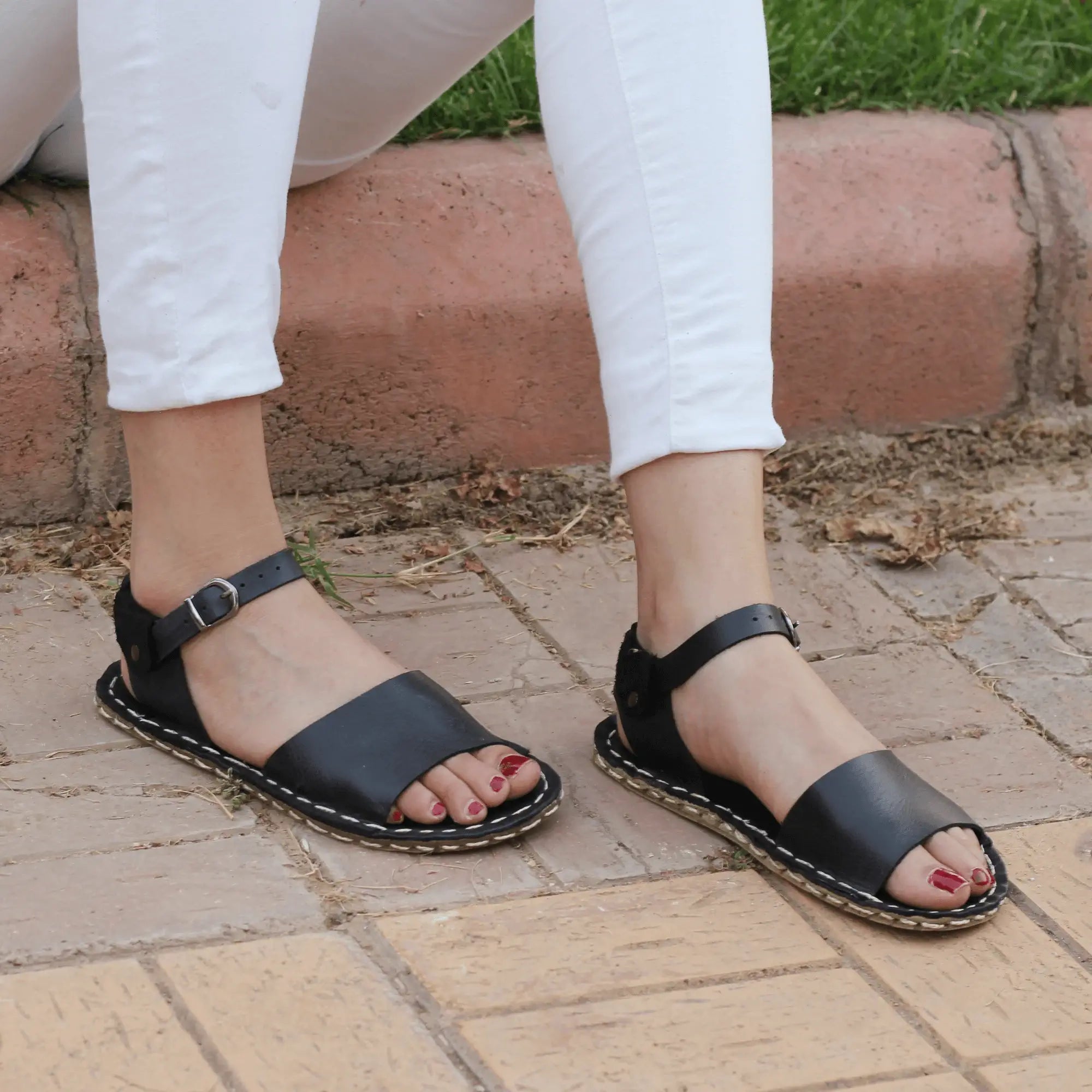
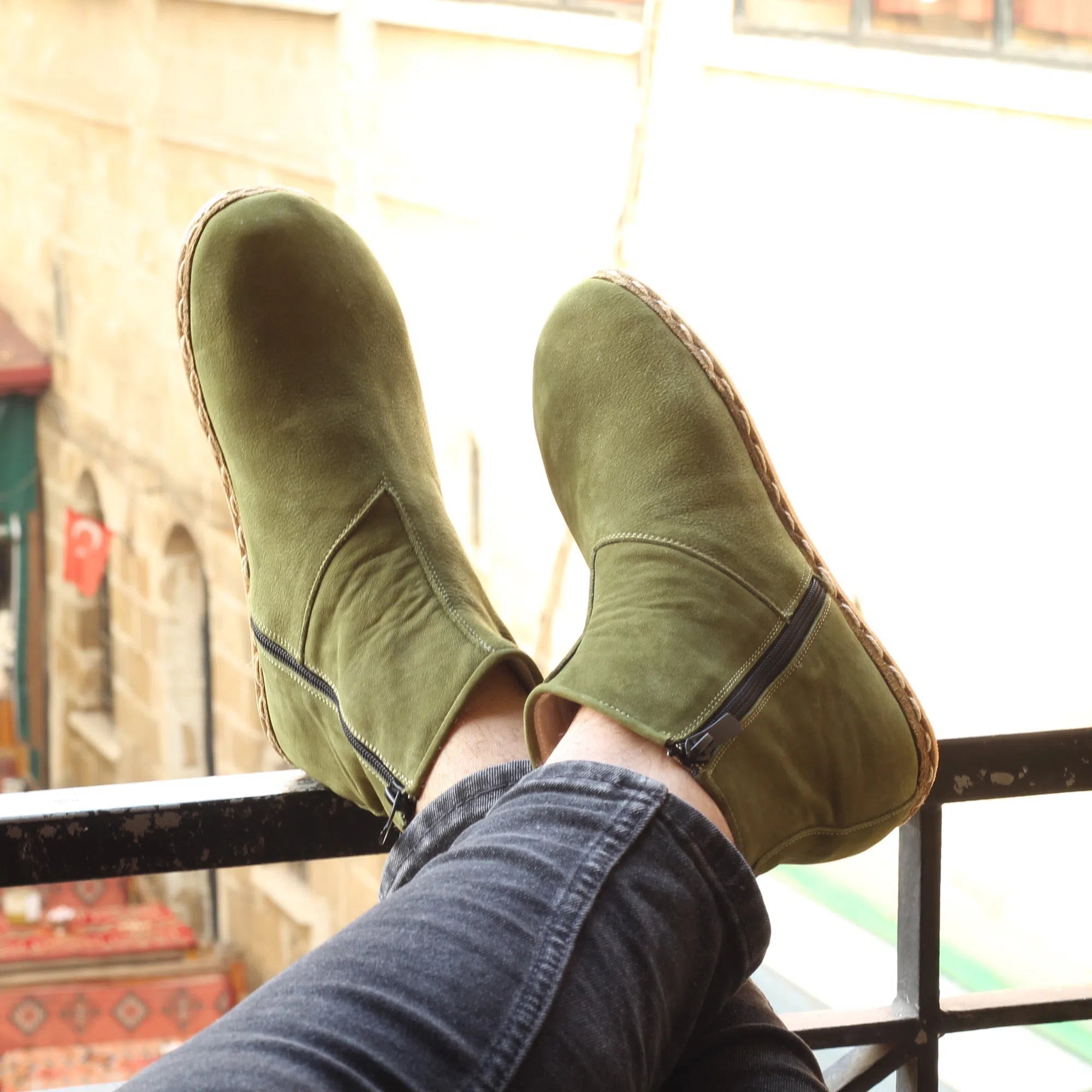
A barefoot shoe sizing guide should start with one truth most shoe brands ignore: your feet are not supposed to be squeezed into a narrow, lifted shape. If you have spent years wearing conventional shoes, there is a good chance you do not even know your natural foot size anymore. Barefoot shoes fit differently on purpose, and getting the size right matters because true comfort starts with letting the foot spread, flex, and move as it was built to.
Why barefoot sizing feels different
Most people are used to judging fit by a snug, controlled feeling. Traditional footwear teaches you to expect pressure at the sides, a raised heel, and a shape that pushes the toes inward. That has been normalized, but it is not natural.
Barefoot shoes are designed around a different idea. They usually have a zero-drop sole, a wide toe box, and a shape that follows the foot instead of forcing the foot to follow the shoe. That means the right size may feel roomier in front than what you are used to. For many first-time buyers, that extra space can seem too big at first, when in reality it is exactly what healthy toe splay feels like.
This is why sizing barefoot shoes is not just about matching your usual sneaker size. It is about measuring your feet, understanding how much room your toes need, and choosing a fit that supports movement instead of restricting it.
How to measure for a barefoot shoe sizing guide
The best way to size barefoot shoes is simple, but you need to do it carefully. Measure both feet while standing, ideally at the end of the day when your feet are slightly more expanded. That gives you a more realistic fit for daily wear.
Place a sheet of paper on a hard floor against a wall. Stand with your heel lightly touching the wall and your full weight on the foot you are measuring. Mark the tip of your longest toe. Then measure from the wall to that mark in millimeters. Repeat on the other foot.
Use the longer of the two measurements. Most people have one foot that is slightly larger, and sizing to the smaller foot is a fast way to end up with cramped toes.
Width matters too, even if many shoppers focus only on length. If the widest part of your forefoot is usually squeezed in regular shoes, pay close attention to toe box shape and overall upper flexibility. A barefoot shoe should give your toes space to spread naturally, not just enough length to avoid touching the front.
Measure with your real use in mind
If you plan to wear your shoes with socks, measure while wearing the type of socks you actually use. If you want them for warm-weather barefoot wear, measure barefoot. Leather can adapt over time, but sizing should still reflect how you intend to wear the shoe most often.
This is especially relevant in handmade leather footwear. Natural materials can soften and shape to the foot, but they should not begin as tight and restrictive. A little structure is normal. Pressure and pinching are not.
How much extra space should you have?
One of the most common questions in any barefoot shoe sizing guide is how much room to leave in front of the toes. In general, you want a small amount of functional space beyond your longest toe so your foot can roll forward naturally while walking. Too little space can jam the toes. Too much can make the shoe feel sloppy.
For many adults, around 8 to 12 millimeters of extra space works well. That is not a law. It depends on foot shape, experience with barefoot shoes, and the type of shoe itself. A soft leather moccasin may feel different from a structured boot or sandal, even at the same measured allowance.
If you are new to barefoot footwear, erring slightly toward more room is often smarter than choosing a close fit because it feels familiar. Your toes need space to wake up. They have likely spent years being compressed.
The trade-off between snug and natural
Some people prefer a more secure fit, especially in closed shoes. Others want maximum freedom in the toe box. Neither preference is wrong, but it helps to understand the trade-off. A shoe that feels tight and glove-like may seem stable at first, yet can limit toe spread and natural balance. A shoe with healthy space in front can feel unusual for a week, then become the pair you never want to take off.
That adjustment period is real. Not because the shoe is wrong, but because your feet are finally being allowed to behave like feet.
Barefoot shoe sizing guide for different foot shapes
Not all feet are shaped the same, and that matters more in minimalist footwear because these shoes do less forcing and more revealing. If you have a wide forefoot, a narrow heel, high volume feet, or a long second toe, your ideal size may differ from someone with the same foot length.
A long second toe changes where you need front space. A wide forefoot means the shape of the shoe matters as much as the number on the size chart. High volume feet may need more upper room, while low volume feet may prefer a more adjustable style.
This is where many people get frustrated with conventional sizing language. A single number cannot describe the whole foot. In barefoot shoes, shape is part of fit.
If you are between sizes
If your measurement lands between sizes, the better choice usually depends on the model and material. In softer leather shoes, sizing up can work well if you want a relaxed natural fit. In sandals or styles with more adjustability, the decision may be more forgiving. In boots, especially if worn with socks, a little extra room is often more comfortable than a fit that is exact on paper.
If you are deciding between snug now or comfortable for the long term, choose the size that gives your foot room to function. Tight shoes do not become healthy just because they break in.
Common sizing mistakes to avoid
The biggest mistake is ordering your usual size without measuring. Standard shoe sizing is inconsistent across brands, and barefoot shoes are built with a completely different purpose. Trusting habit over measurement is how people end up blaming the shoe for what is really a sizing mismatch.
Another mistake is confusing toe room with a bad fit. If your toes are not pressing the front and the midfoot feels secure, some open space is a good thing. It allows your foot to lengthen slightly during movement.
A third mistake is choosing a size based on how your old shoes fit. Conventional shoes often train people to accept compression as normal. If you have bunions, toe crowding, or foot fatigue, those habits can distort what “right” feels like.
Also, do not size down because you expect leather to stretch in length. Leather may soften and adapt around the foot, but it will not magically create the front space your toes need.
What the right fit should feel like
A properly sized barefoot shoe should feel secure at the midfoot and heel without gripping or forcing. Your toes should be able to lie flat, spread naturally, and move without hitting the front. You should not feel elevated, squeezed, or tilted forward.
The sensation is different from mainstream footwear because the foot is doing more of its own work. That is the point. Better ground feel, better alignment, and better movement begin when the shoe stops interfering.
For people switching from thick, rigid footwear, the right fit can feel almost too free at first. Give it a little time. Your feet have spent years adapting to artificial shapes and padded control. Natural movement can feel unfamiliar before it feels obvious.
A practical barefoot shoe sizing guide for first-time buyers
If this is your first pair, keep the process honest and simple. Measure both feet in millimeters. Use the longer measurement. Add enough space for movement, usually within that 8 to 12 millimeter range. Consider sock use, foot width, and the structure of the specific style.
Then ask one final question: does this size let my foot behave naturally? That matters more than whether it matches the size you have worn for years in shoes that worked against your body.
Brands built around natural movement, craftsmanship, and leather construction, including Nefes Shoes, tend to attract people who are done pretending cramped footwear is normal. That shift in mindset matters during sizing too. You are not shopping for restriction with better marketing. You are choosing footwear that respects the human foot.
Getting the size right is not a small detail. It is the difference between a shoe that simply looks minimal and one that truly supports freedom, comfort, and connection from the ground up. Start with your real measurements, trust the shape of your foot, and let comfort come from space instead of pressure.