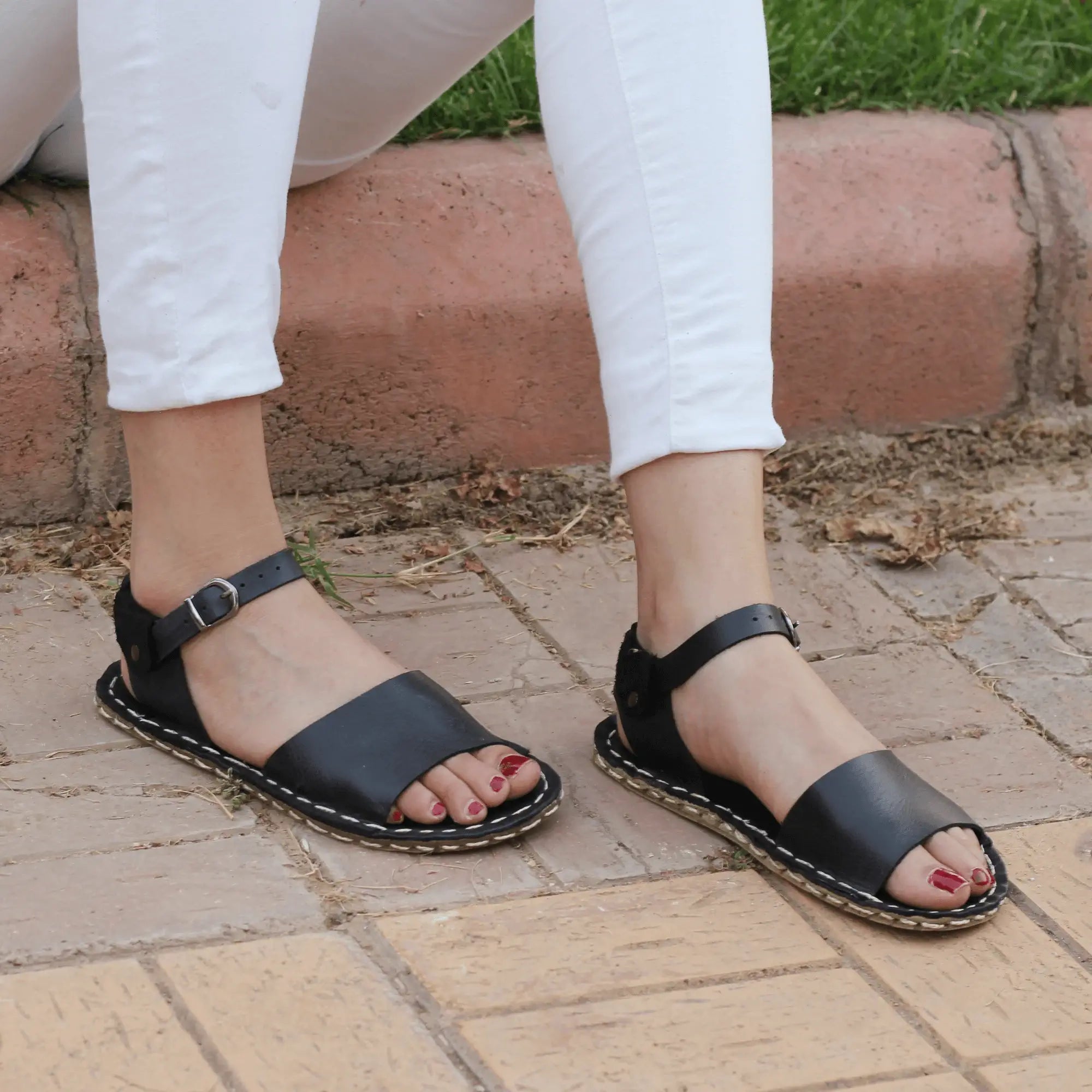
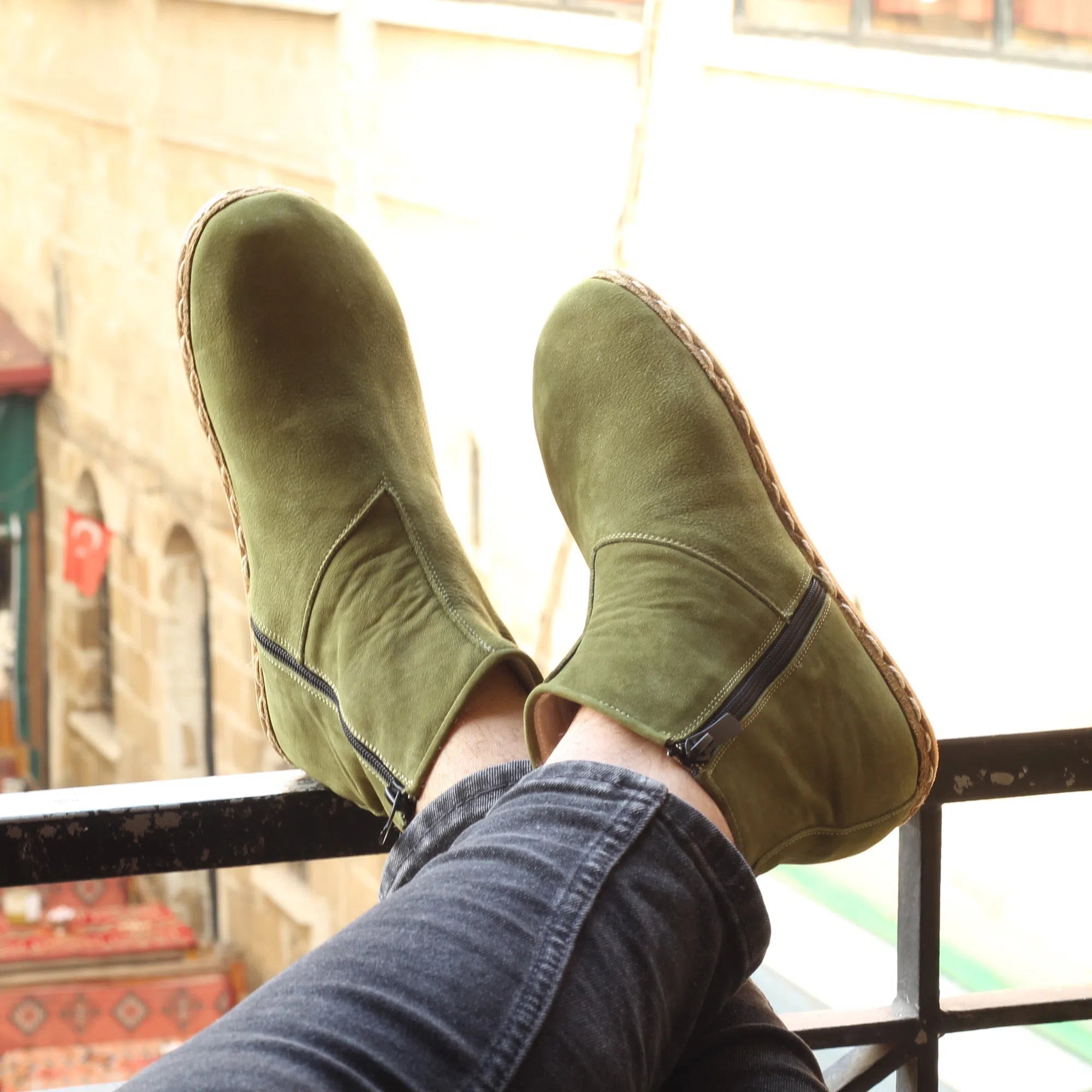
Most shoes ask your feet to surrender first. They narrow the toes, lift the heel, stiffen the sole, and call it support. Custom barefoot shoes start from the opposite belief - that your feet already know how to move, and the shoe should stop getting in the way.
That idea matters more than most people realize. If you have wide forefeet, sensitive joints, bunions, pressure points, or simply a low tolerance for cramped footwear, standard sizing can feel like a negotiation you keep losing. A shoe may be long enough but too tight across the toes. Soft enough on top but rigid underfoot. Stylish from a distance, tiring by lunchtime. Customization changes that conversation because it treats fit as the foundation, not an afterthought.
Why custom barefoot shoes make sense
Barefoot footwear is built around a few non-negotiables: a wide toe box, zero-drop alignment, and a flexible sole that lets the foot bend naturally. But even within barefoot design, not every foot is the same. Some people need more width through the ball of the foot. Others need more instep volume, a different ankle opening, or a shape that works with a high arch, a narrow heel, or prominent toe joints.
That is where custom barefoot shoes become more than a luxury. They can solve the exact mismatch that makes otherwise good shoes fail. A shoe that respects natural movement but ignores your foot shape still creates friction. It may be better than conventional footwear, but better is not always enough when your goal is real comfort and healthy daily wear.
Custom work also matters if you care about materials. Natural leather behaves differently than synthetic uppers. It softens, adapts, and develops character over time, but the initial cut and shape still matter. A handmade shoe built around the right dimensions can feel supportive without feeling controlling. That balance is hard to fake in mass production.
What “custom” should really mean
Not every brand uses the word honestly. Sometimes custom just means picking a color, choosing a sole shade, or adding a monogram. That may be fun, but it will not change how the shoe works on your body.
When people search for custom barefoot shoes, they are usually looking for one of three things: a better fit, a better foot shape, or a better material experience. True customization addresses function first. That may include adjustments in width, upper shape, toe box proportions, or the way the shoe holds the foot without squeezing it.
The best custom options still preserve the principles that make barefoot footwear worth wearing in the first place. If a shoe adds a raised heel, a tapered toe, or a thick rigid sole, it may be personalized, but it is no longer truly barefoot. Custom should bring the shoe closer to your natural foot, not drag it back toward conventional design.
The fit details that matter most
A lot of people focus on length because that is how most shoe sizing works. Barefoot fit is different. Width, toe freedom, and foot volume often matter just as much.
The toe box should allow your toes to spread instead of stacking them into each other. That does not mean the shoe needs to look cartoonishly wide. It means the front should follow the real shape of a human foot, not the pointy shape of fashion footwear. If your big toe gets pushed inward or your smaller toes feel folded, the shape is wrong no matter how premium the leather is.
Heel fit matters too, but not in the way traditional shoes define it. A good barefoot heel should feel secure without locking the rearfoot into a stiff cup. You want stability through thoughtful construction, not through force. The upper should hold you in place while still allowing the foot and ankle to move naturally.
Instep volume is another issue people overlook. If the top of your foot often feels squeezed, or if you constantly loosen laces just to get relief, the shoe may be too shallow. On the other hand, if your foot slides and your toes grip to compensate, the volume may be too generous. Customization can fine-tune that middle ground.
Materials change the experience
A barefoot shoe lives or dies by flexibility, but comfort is not only about bend. It is also about what touches your skin and how the shoe ages. Natural leather has a place here for a reason. It breathes better than many synthetic materials, adapts to the foot with wear, and tends to feel less clammy during long days.
For people who care about grounding and earth connection, materials matter even more. Leather construction and natural sole choices create a very different underfoot experience than thick synthetic foam or heavily insulated rubber. The feeling is more direct, more honest, and often more connected. That will not be everyone’s priority, but for many wellness-minded wearers, it is part of why the shoe feels right.
There is a trade-off, of course. Natural materials ask for a bit more care. Leather can mark, soften, and change with use. That is not a flaw. It is part of what makes artisan footwear feel alive rather than disposable. If you want shoes that look factory-perfect forever, handmade leather may not be your lane. If you want character, breathability, and a closer relationship between foot and shoe, it makes a strong case.
Handmade custom barefoot shoes vs mass production
Mass-market shoes are built for averages. Average width, average volume, average preferences. Real feet are not average. That is why so many people cycle through pairs that are almost right but never truly easy to wear.
Handmade production allows for more nuance. The cut of the leather, the shape of the upper, and the finishing details can all support a more natural fit. You also tend to see better attention to where the shoe bends, how the seams sit, and whether the structure helps or interferes with movement.
This is one reason artisan brands stand apart in the barefoot space. They are not just reducing heel height and calling it innovation. They are rebuilding the shoe around the foot. Nefes Shoes follows that path with handmade construction in Türkiye, natural leather materials, and a clear refusal to copy the narrow, elevated logic of conventional footwear.
Who benefits most from custom barefoot shoes?
Some people can wear a well-designed standard barefoot shoe and feel immediate relief. Others need more precision. Custom barefoot shoes tend to make the biggest difference for people with wide feet, uneven foot shapes, bunions, hammertoes, high insteps, or years of discomfort from narrow shoes.
They also make sense for people in transition. If you are leaving supportive sneakers or structured boots and moving into barefoot footwear for the first time, fit becomes especially important. Your feet may be relearning how to spread, flex, and stabilize. A shoe that gives natural freedom without creating unnecessary rubbing or instability can make that shift smoother.
Style matters too. Many people want the health benefits of minimalist footwear but do not want to look like they gave up on aesthetics. Customization can help here by combining a natural foot shape with a more refined silhouette, better leather, and design details that feel personal rather than clinical.
What to ask before you buy
If you are considering custom barefoot shoes, ask practical questions. Can the shape be adjusted for width or volume? Does the toe box follow natural anatomy? Is the sole truly flexible? Is the shoe zero-drop from heel to toe? What materials are used, and how will they break in?
It is also worth asking how the brand defines custom. If the answer is mostly cosmetic, keep looking. If the answer includes meaningful fit options and handcrafted construction, you are likely in better hands.
And be honest about your own priorities. If your biggest issue is toe compression, focus on shape first. If overheating and sweat are constant problems, focus on breathable materials. If your interest includes grounding, pay attention to sole composition and overall construction. The best choice depends on what your feet have been missing.
Custom barefoot shoes are not about indulgence. They are about ending a strange habit we have accepted for too long - forcing healthy feet into unhealthy shapes. When a shoe gives your toes room, keeps your posture level, lets your sole flex, and uses materials that feel natural against the skin, comfort stops being a small victory. It becomes your baseline.