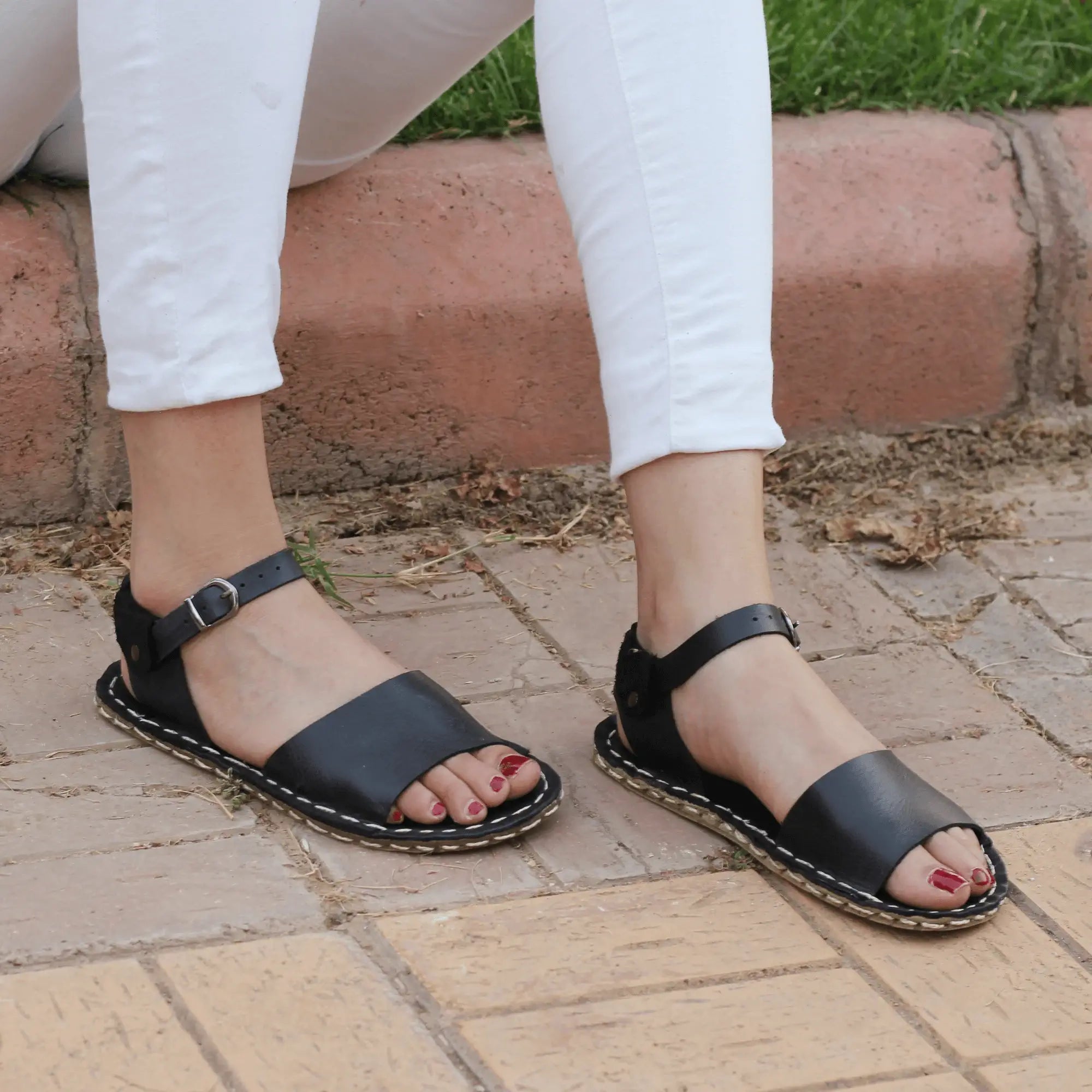
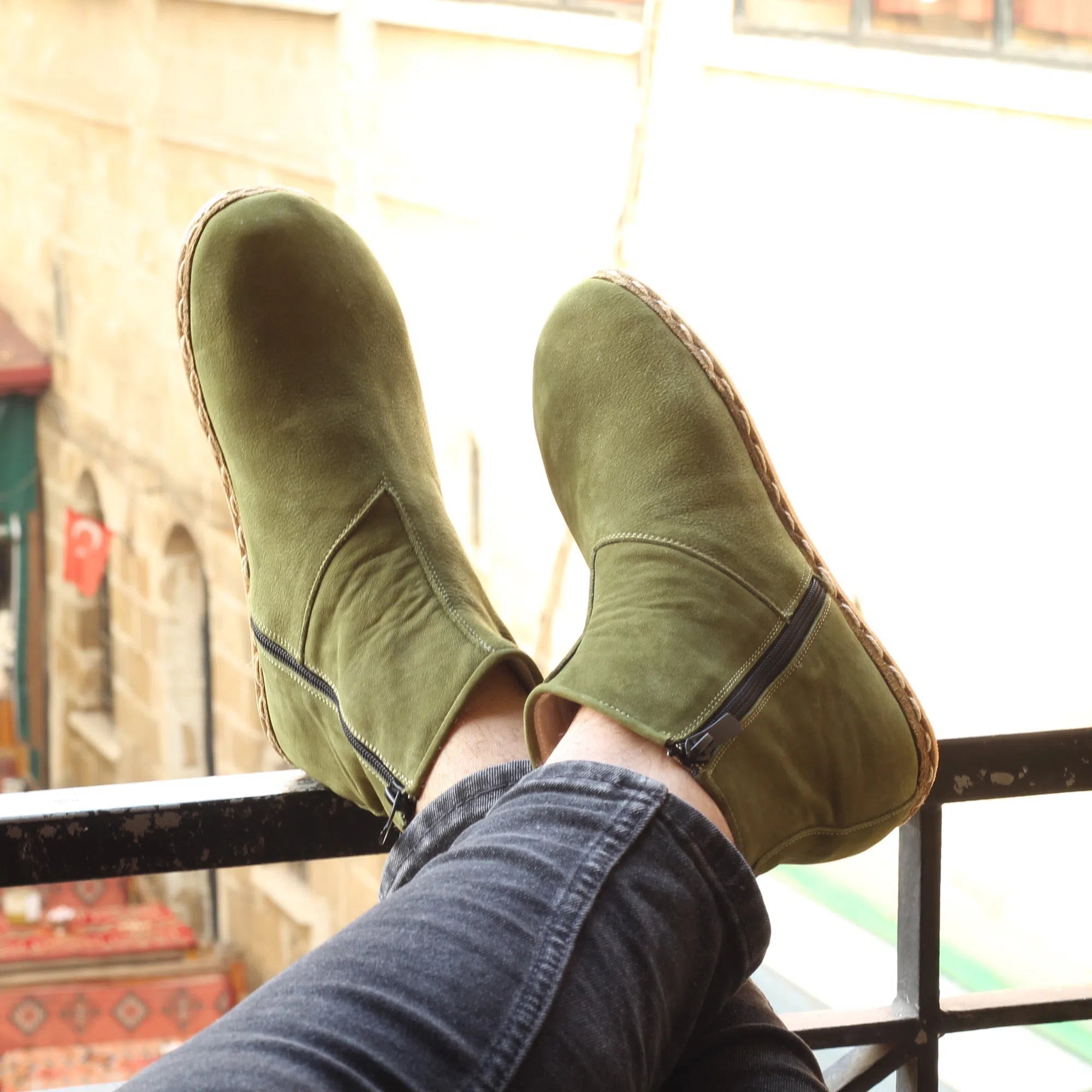
Cold weather exposes bad footwear fast. If your toes feel cramped, your heels ache, or your boots turn your feet into sweaty bricks by noon, the problem is not winter - it is the design. The best barefoot boots for winter do not fight your feet. They protect them from cold and wet conditions while still allowing natural movement, toe splay, and stable ground contact.
That balance matters more than most people realize. Traditional winter boots often rely on thick heels, stiff soles, narrow toe boxes, and bulky insulation that disconnects you from the ground and from your own gait. They can feel supportive at first, but they often encourage harder heel striking, reduced foot mobility, and constant pressure on the toes. A good barefoot winter boot takes the opposite path. It keeps the foot warm without trapping it in a rigid shell.
What makes the best barefoot boots for winter?
Winter changes the job of a barefoot boot. In mild weather, minimal footwear can stay light and open. In winter, the boot has to manage cold, moisture, traction, and sometimes long hours on hard ground. That means the best option is not always the thinnest or most flexible model on the market. It is the one that preserves natural function while matching the conditions you actually walk in.
Start with the toe box. If a boot squeezes your forefoot, it is already working against circulation and natural stability. In cold weather, that is an even bigger problem because compressed toes tend to get cold faster. A wide toe box gives your toes room to spread, which supports balance and helps the foot generate warmth more naturally.
The next non-negotiable is zero-drop construction. Raised heels shift body weight forward and change posture all the way up the chain. In icy or uneven conditions, that can make you feel less grounded, not more. A flat sole keeps your stance more natural and your movement more honest.
Flexibility matters too, but this is where winter introduces trade-offs. A super thin sole gives excellent ground feel, yet it can also let cold seep in quickly on frozen pavement. Some winter barefoot boots use a slightly more substantial sole or insole to buffer against cold without turning the boot into a stiff platform. That is not a compromise of principle. It is a practical adjustment for the season.
The materials matter more than the marketing
A lot of winter boots are sold on the promise of heavy insulation and weatherproof membranes. On paper, that sounds ideal. In real life, many of those materials trap moisture, reduce breathability, and create that familiar cycle of sweat followed by chill. Your feet get hot, then damp, then cold.
Natural leather tends to perform differently. Quality leather can block wind, regulate temperature better than many synthetics, and mold to the foot over time. It also brings a level of durability and craftsmanship that mass-market winter boots rarely match. For people who care about comfort, foot health, and how a boot ages, this matters.
That said, not every leather boot is automatically winter-ready. You still need enough structure to handle seasonal wear and enough sole grip for slippery surfaces. A beautiful minimalist boot with a slick outsole may work for dry cold days but struggle on wet sidewalks. The best barefoot boots for winter combine natural materials with thoughtful tread and weather-conscious construction.
Warmth without bulk
One of the biggest myths in winter footwear is that warmth has to come with bulk. It does not. Bulky boots often create a false sense of security while making natural walking harder. They can reduce ankle mobility, dull sensory feedback, and make every step feel heavier than it needs to.
A better approach is efficient warmth. That usually comes from a close but non-restrictive fit, breathable upper materials, and enough interior protection to keep heat in without overheating the foot. Thick socks can help, but only if the boot still leaves room for toe spread. If you have to size down your movement to fit winter socks, the boot is too tight.
For many people, the sweet spot is a boot that feels secure at the midfoot and heel while staying open in the forefoot. That shape supports natural mechanics and makes layering easier. Your foot should feel held, not contained.
Grip is essential, but so is flexibility
Winter traction deserves more respect than it gets in barefoot discussions. Ground feel is valuable, but slipping on ice because the outsole cannot grip is not a badge of minimalism. It is just bad design for the season.
Look for outsoles with enough texture to handle wet pavement, packed snow, and everyday winter surfaces. Deep aggressive lugs are not necessary for every person, especially if most walking happens in town rather than on trails. But some tread pattern and dependable rubber contact are important. The trick is finding traction that does not come with a thick, brick-like sole.
This is where craftsmanship shows. A well-made winter barefoot boot can offer grip and protection without losing the flexibility that allows the foot to adapt to the ground. That adaptability is part of what helps you stay stable in the first place.
Best barefoot boots for winter depend on where winter happens
Not all winters are the same, and your ideal boot should reflect that. If you live somewhere cold but mostly dry, you may prioritize breathability, leather quality, and moderate insulation. If you deal with slush, freezing rain, and salted sidewalks, water resistance and tread become more urgent.
For city wear, many people want a boot that can handle weather without looking like hiking gear. That is a fair expectation. Minimalist footwear should not force you to choose between foot freedom and personal style. A well-shaped leather boot can do both, especially if it is handmade with attention to fit and finish.
For more rugged conditions, you may need a slightly more protective build. That could mean a taller shaft, denser sole, or removable insole for temperature control. The point is not to chase the most extreme winter boot if your daily reality is school drop-offs, errands, commuting, and neighborhood walks. The best boot is the one that fits your real life.
How to tell if a winter barefoot boot is actually good
A good product page can say all the right words. Barefoot. Minimalist. Natural. Comfortable. But winter performance lives in the details.
Check whether the shape is truly foot-friendly or just marketed that way. Many boots claim comfort while still tapering sharply at the toes. Look closely at the outsole and upper profile. If the boot narrows where your toes should spread, it is not built for natural movement.
Pay attention to materials. Real leather, quality lining choices, and handmade construction usually signal a different level of care than glue-heavy synthetic builds. You should also consider whether the sole is flat from heel to toe, whether the boot bends naturally, and whether it appears stable without being rigid.
If grounding is part of your lifestyle, material choices become even more meaningful. Shoes made with natural components and traditional construction can feel more aligned with that purpose than heavily insulated synthetic winter models designed only to separate you from the outdoors. For people drawn to earthing principles, winter footwear should still honor connection, not just protection.
The style question is not superficial
There is a tired idea that healthy footwear has to look orthopedic or overly technical. That is simply not true. People want boots they can wear every day, with jeans, wool coats, relaxed office clothes, or weekend layers. They want to feel like themselves, not like they are making a fashion sacrifice for the sake of foot mechanics.
That is why artisanal barefoot boots stand out. Handmade leather has character. It softens, creases, and develops a lived-in look that factory-made synthetics cannot imitate. When natural movement meets thoughtful design, the result is not just healthier. It is better looking.
This is part of why brands like Nefes Shoes resonate with people who are done with conventional footwear. The appeal is not only zero-drop and toe space. It is the deeper idea that shoes should work with the body, use honest materials, and still feel distinctive.
A winter boot should support your feet, not overpower them
If you are shopping for the best barefoot boots for winter, resist the usual winter boot logic that more is always better. More padding, more stiffness, more heel, more bulk. Most of the time, more just means more interference.
The better question is simpler. Does this boot let my foot function naturally while protecting me from winter conditions? If the answer is yes, you are on the right track. Look for wide toe space, zero-drop balance, flexible construction, weather-appropriate grip, and natural materials that breathe and age well.
Winter is hard enough on the body. Your boots should not make it harder. The right pair lets you move through the season with warmth, stability, and a little more freedom under every step.