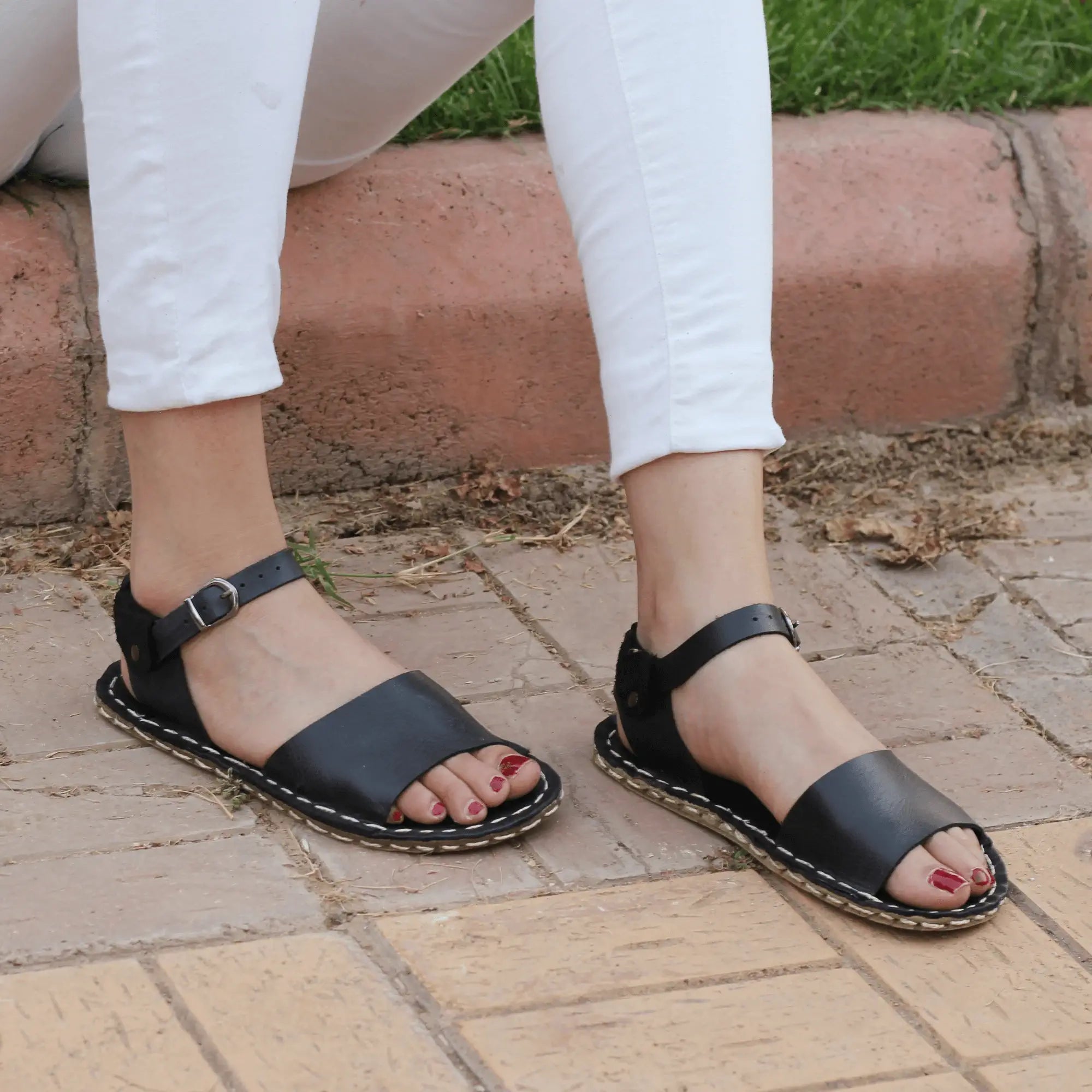
When the ground freezes and the days get short, most people put their grounding habit away with the summer sandals. That's understandable: nobody wants to stand barefoot on frosty grass in December. But grounding in winter doesn't have to stop just because the weather turns. With a few adjustments to where you go, how long you stay, and what you wear on your feet, you can keep some form of earth contact going right through the cold months.
This guide covers what changes in winter, which surfaces still work, how to stay warm without cutting yourself off from the ground, and what to look for in winter grounding footwear.
What Changes About Grounding in Winter?
Grounding (also called earthing) simply means making direct electrical contact with the earth, usually through bare skin or a conductive material. The idea is that your body equalizes with the earth's mild surface charge. Some small studies suggest this may influence things like sleep quality, perceived stress, and inflammation markers, but the research is still early and limited. It's best understood as a gentle lifestyle practice, not a treatment.
Winter changes three practical things:
-
Conductivity of the ground. Moist soil conducts well. Frozen soil is a much poorer conductor, because ice limits the movement of charge. Dry, frozen ground is the least effective surface of the year.
-
Your exposure time. In summer you might stand barefoot for 20–30 minutes. In winter, cold skin becomes a safety concern long before that.
-
What's between you and the ground. Thick rubber soles, insulated boots, and synthetic socks are all insulators. Most winter footwear is designed, quite deliberately, to separate you from the ground.
None of these make grounding impossible. They just mean you have to be more intentional about it.
Where You Can Still Ground When It's Cold
Damp soil, grass, and sand on milder days
Across much of the US, winter isn't one long freeze. There are thaw days, rainy days, and mild afternoons when the ground is cold but not frozen. These are your best outdoor opportunities. Damp ground generally conducts better than dry ground, so the day after rain can be ideal. Keep sessions short (a few minutes is plenty) and step back inside or into footwear as soon as your feet feel uncomfortably cold.
Wet sand and shoreline
If you live near the coast, wet sand stays highly conductive year-round because of salt water. A short walk along the waterline in conductive footwear can be one of the more practical winter options.
Unsealed concrete and stone
Unpainted, unsealed concrete that sits directly on the ground can conduct to some degree, especially when damp. Sealed, painted, or asphalt surfaces do not. Sidewalks are a mixed bag, so treat them as "maybe" rather than "yes."
What doesn't work
Snow and ice, wooden decks, asphalt, vinyl and laminate floors, and carpet are poor conductors or insulators. Standing on a snowbank barefoot is cold, uncomfortable, and offers little benefit compared with a short session on thawed, damp soil.
Stay Warm Without Insulating Yourself From the Earth
The central challenge of winter grounding is that warmth and conductivity pull in opposite directions. Most of what keeps feet warm, such as foam midsoles, rubber outsoles, and synthetic linings, also blocks contact with the ground. A few principles help:
-
Insulate the upper, not the sole. A shearling or wool lining keeps your foot warm from the sides and top while a leather sole stays in contact with the ground.
-
Choose natural sock fibers, or go sockless indoors. Thin wool or cotton socks absorb a little moisture from your feet, and that moisture helps conduction through a leather sole. Thick synthetic socks work against you.
-
Keep your feet moving. Walking keeps circulation going and your feet warmer than standing still.
-
Know your limits. Numbness, pain, or white or waxy skin are signs to get warm right away. If you have diabetes, Raynaud's, neuropathy, or circulation problems, talk to your doctor before any cold-weather barefoot practice.
What to Look for in Winter Grounding Boots
We've written about how different boot materials affect real earth contact. For winter specifically, these are the features that matter most:
1. A natural leather sole, not a rubber one
Leather is porous and holds a little moisture, which allows it to conduct. Rubber and most synthetic soles do not. Our boots use a 5–8 mm buffalo leather sole as standard. A rubber layer can be added for extra slip resistance, but rubber reduces or eliminates the grounding effect, so if grounding is your priority, skip that option.
2. A conductive contact point
Copper rivets or a copper capsule placed through the sole create a more direct path between your foot and the ground, which can help when the leather is dry. Most of our grounding boots come with copper rivets as standard.
3. Warm lining on the upper
Shearling-lined boots, like our Barefoot Grounding Ankle Boots for women and the matching men's version, use real lamb shearling inside while keeping a flat, leather-soled base. That combination is about as close as you can get to "warm and grounded" in the same boot.
4. Zero drop and a wide toe box
Cold feet are often cramped feet. A wide toe box lets your toes spread and move, which may help with circulation and comfort on long winter walks. A flat, zero-drop base keeps your posture closer to how you'd stand barefoot.
5. Honest limits on water
Genuine leather and slush don't mix well. Leather soles are not waterproof, and soaking them repeatedly will shorten their life. We cover the trade-off in detail in Can Grounding Shoes Be Waterproof? The short version: wear leather-soled boots on dry or lightly damp days and on cleared paths, and switch to a different pair for deep snow, heavy rain, or salted slush.
Indoor Grounding Habits for the Coldest Weeks
Some days, staying outside just isn't realistic. Indoors, your options are more limited, since most homes are built on insulating floors, but there are still ways to keep the habit alive:
-
Short outdoor "doorstep" sessions. Even two or three minutes on a patch of damp soil or an unsealed patio, then straight back inside, keeps the routine intact.
-
Ground-floor and basement surfaces. An unsealed concrete basement floor that sits on the ground may offer some contact, though results vary by building.
-
Wear leather-soled shoes for errands. When you step out for a walk or a quick trip, a conductive sole gives you incidental contact on any suitable surface you cross. Lighter pairs like the Men's Barefoot Grounding Shoes in Antique Brown work well on dry winter days when you don't need a full boot.
Be cautious with products that claim to "ground" you through a wall outlet. They depend on correct household wiring, and it's worth having an electrician confirm your outlets are properly grounded before using them. We'd rather you spend a few minutes outside than rely on a device you can't verify.
A Simple Winter Grounding Routine
If you want a starting point, here's an easy weekly rhythm:
-
Check the forecast. Look for thaw days, mild afternoons, or the day after rain. Those are your outdoor windows.
-
Walk, don't stand. A 15–20 minute walk in leather-soled boots over grass, soil, or a park trail is usually more comfortable than standing still.
-
Add a brief barefoot moment when it's safe. On a mild day, a minute or two barefoot on damp grass is enough. Dry your feet thoroughly afterwards.
-
Look after your boots. Let leather soles dry naturally at room temperature, away from radiators, and condition the uppers regularly.
-
Pay attention to how you feel. Grounding is a personal practice. Notice what you enjoy and what fits your life, and don't push through cold or discomfort.
Consistency matters more than intensity. A few short, comfortable sessions a week will do more for your routine than one heroic barefoot walk through the snow.
FAQ
Does grounding work on frozen ground?
Much less effectively. Ice limits conductivity, so frozen, dry soil is a poor grounding surface. Damp, thawed soil, wet sand, and some unsealed concrete are better winter options.
Can I ground through snow?
Snow is a poor conductor and quickly makes feet dangerously cold. It's better to wait for a thaw day or look for a patch of exposed, damp ground.
Do grounding boots keep your feet warm?
They can. Boots with a shearling lining keep the upper warm, while the leather sole stays in contact with the ground. Avoid adding thick synthetic insoles, as they insulate you from the earth.
Are leather-soled grounding boots okay in rain and slush?
Leather soles aren't waterproof. They handle light dampness, but heavy rain, deep slush, and road salt will wear them out quickly. Use them on drier days and cleared paths.
How long should I ground in winter?
Shorter than in summer. A few minutes barefoot, or a 15–20 minute walk in conductive footwear, is a reasonable starting point. Stop as soon as your feet feel numb or painful.
Keep Your Grounding Routine Going All Winter
Winter doesn't have to mean a break from the ground. Pick the right days, keep sessions short and comfortable, and wear footwear that keeps you warm without sealing you off from the earth. If you're looking for a pair built for exactly that, explore our handmade shearling-lined grounding ankle boots or the classic Oxford Earthing Boots, made in natural leather with buffalo leather soles and copper rivets. Not sure about your size? Send us your foot measurements and we'll help you find, or make, the right fit.